


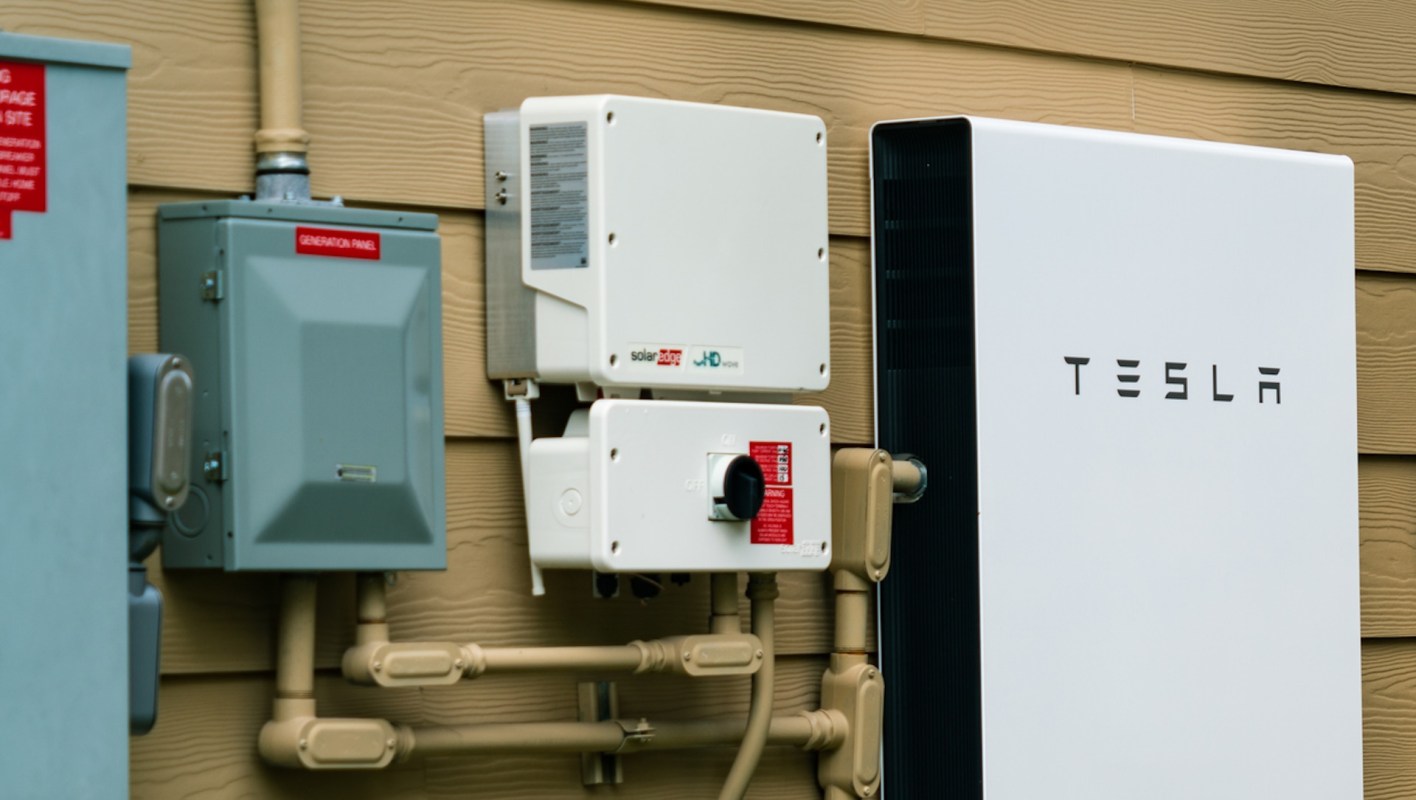
A frustrated Tesla solar customer says a promised no-cost replacement of a faulty part turned into a months-long delay. And at the last minute, they had to pay out of pocket instead.
What happened?
According to a post in the r/solar subreddit, the original poster said an older SolarEdge inverter previously installed by Tesla was at the center of a "phantom draw" problem. The faulty part, the OP claimed, was causing their solar panel system to draw power and cause their energy bills to skyrocket.
The OP said that, after extensive testing and repeated disputes, Tesla told them on March 25, 2026, that the faulty equipment would be replaced with a new version at no cost.
Although technicians eventually arrived on June 1, the OP said that only happened after more than a month of silence. There was also a scheduling dispute in which Tesla claimed the earliest repair date was November.
On the day of the new part's installation, the OP said a Tesla supervisor had called to say the company was no longer treating the replacement as a free fix.
This account is a vital reminder to work with trusted partners when adopting clean energy technology. Luckily, homeowners can use EnergySage to get quick solar installation estimates from vetted and thoroughly reviewed installers. They can also compare quotes through EnergySage to help avoid overpaying and better understand equipment and warranty options before signing a contract.
Why does it matter?
The value of rooftop solar depends on reducing the amount of electricity purchased from the grid. If a faulty inverter is consuming excess power instead, customers can get hit twice: first through unusually high utility bills and then through delays or unexpected repair costs.
Even when a company initially agrees to fix a problem, long wait times and changing terms can leave customers paying more while the equipment remains installed and tied into the home's energy system.
Save $10,000 on solar panels without even sharing your phone number Want to go solar but not sure who to trust? EnergySage has your back with free and transparent quotes from fully vetted providers that can help you save as much as $10k on installation. To get started, just answer a few questions about your home — no phone number required. Within a day or two, EnergySage will email you the best local options for your needs, and their expert advisers can help you compare quotes and pick a winner. |

Solar panels remain one of the most effective ways to lower long-term energy costs, but situations like this highlight how important reliable service and clear warranty support can be. When equipment issues go unresolved, homeowners can lose out on solar energy production savings.
What can I do?
If you're dealing with a solar equipment dispute, keep written records of every promise, appointment, and bill. It can also help to get a report from an independent licensed electrician, review warranty language carefully, and ask for any scope changes or new charges in writing before authorizing more work.
And if you're looking to install solar, check out EnergySage's free services. They could help you save up to $10,000 on the cost of installations.
EnergySage even has a helpful mapping tool that shows the average cost of a home solar panel system on a state-by-state basis. It also includes details about local solar incentives and rebates.
More From EnergySage
💡Go deep on the latest news and trends shaping the residential solar landscape

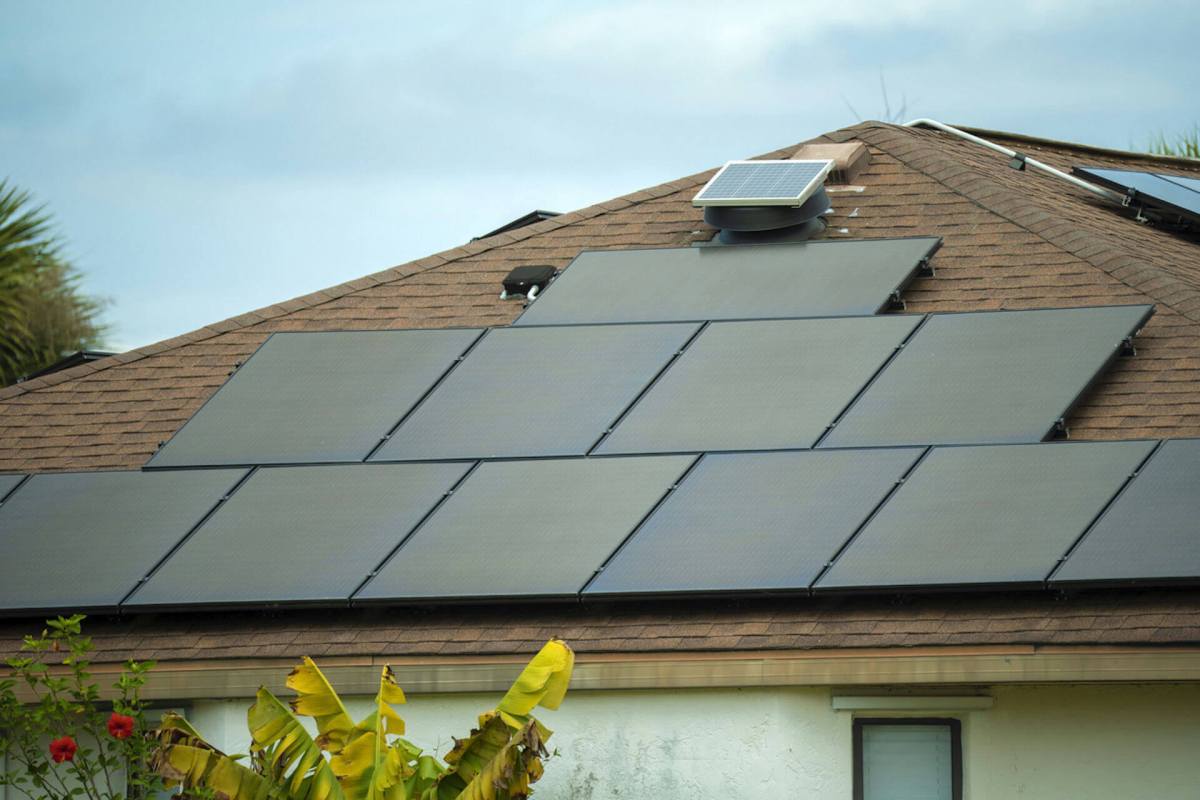

Adding battery storage to a solar setup is one of the best ways to protect your home during outages, save money on energy, and go off grid. It can also help you store extra solar power for later use when electricity rates are higher. Homeowners can explore EnergySage for information about home battery storage options, including competitive installation estimates.

Get TCD's free newsletters for easy tips, smart advice, and a chance to earn $5,000 toward home upgrades. To see more stories like this one, change your Google preferences here.






