


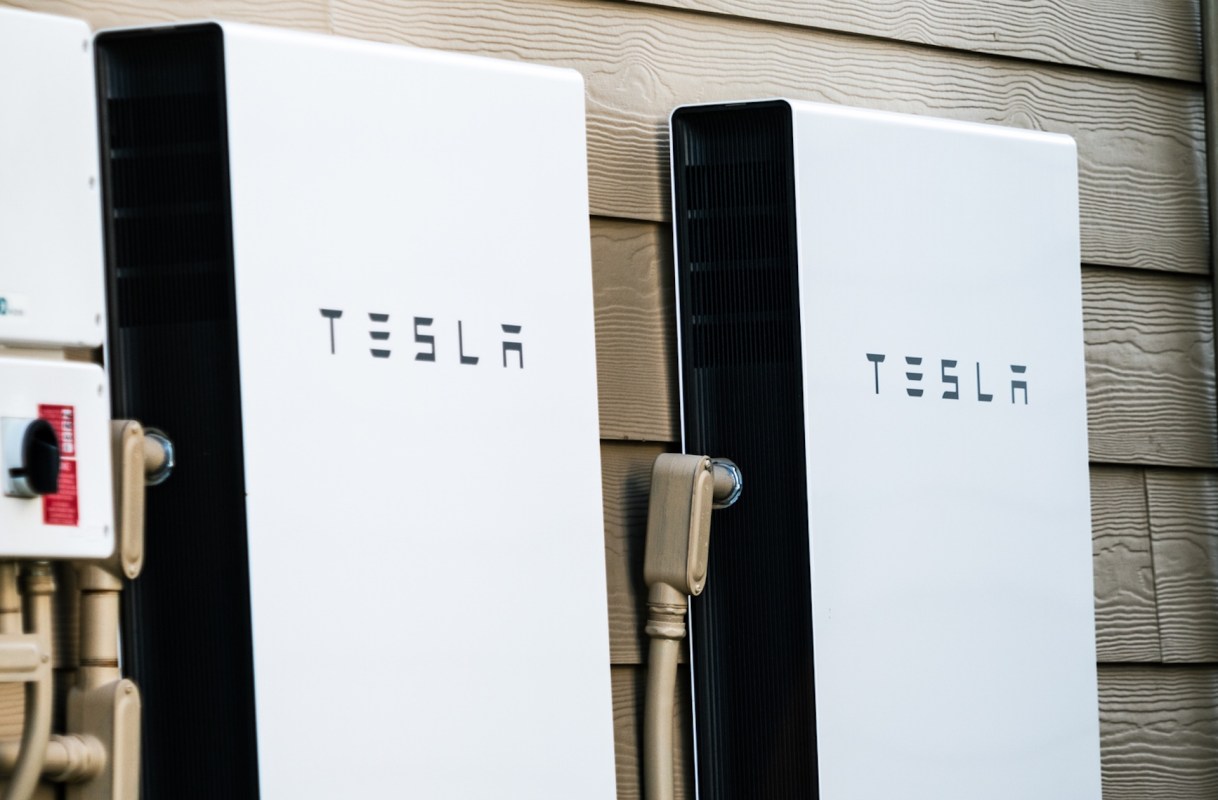
A U.K. homeowner expected their Tesla Powerwall 3 to keep the lights on during blackouts.
Instead, two real-world outages briefly shut the whole house down, and the system appeared to stay connected to the grid as though nothing had happened.
The issue has sparked discussion among backup battery owners in a Reddit post about what these systems are designed to do during split-second grid disturbances.
What happened?
According to the homeowner, the system was a U.K. Powerwall 3 installation with a Backup Gateway and whole-home backup already enabled, but two confirmed utility outages still knocked out the entire house for an estimated half-second to one second.
After both incidents, the Tesla app reportedly showed no logged outage and indicated the system was still "On Grid."
What made the behavior confusing was that the same setup could switch cleanly when the owner manually selected "Go Off Grid" in the Tesla app.
In their words, "The system clearly can transfer within ~10-20 ms when commanded."
That led them to wonder whether some kinds of disturbances, including voltage sags or auto-reclose events, may fall outside the conditions that trigger automatic islanding.
Save $10,000 on solar panels without even sharing your phone number Want to go solar but not sure who to trust? EnergySage has your back with free and transparent quotes from fully vetted providers in your area. To get started, just answer a few questions about your home — no phone number required. Within a day or two, EnergySage will email you the best options for your needs, and their expert advisers can help you compare quotes and pick a winner. Solar panels can save you more than $50k over their 25-year lifespan, and EnergySage can help you save as much as $10k on installation. Which begs the question — isn't that worth an email or two? |

Commenters suggested that may be normal behavior.
One U.K.-based user wrote, "For me 2-3 seconds. Also in the UK. But it has worked for 2 days straight in Jan," while others said real outages can still produce a flicker or reboot even when backup eventually kicks in.
Of course, a split-second outage with everyone in the area is a minor inconvenience when the system is primarily there to get you through a prolonged outage, but the concern comes more down to making sure it's working as expected, especially since that sort of outage could potentially still damage a device — like a washing machine — that was mid-operation.
If you're considering storage, exploring EnergySage's online tools to compare home battery options and competitive installation estimates can help clarify what different systems are designed to do and how much power they can store and discharge at once. Some last longer than others, while others may be able to handle a higher concurrent load, for example.
Why does it matter?
A home battery can be a major investment, and many people expect it to behave like an uninterruptible power supply.
The thread suggests that, in some real outage scenarios, that may not be how the experience works in practice.
Several commenters said brief outages were still enough to restart PCs, smart lights, and internet equipment, even if the battery could support the home during a longer blackout.
Part of the frustration also seems to be visibility. The original poster said they wanted the app to record disturbances even when no switchover happens, so owners could tell whether the system acted as expected or whether it was something worth raising with an installer.
What can I do?
Battery storage can protect a home during outages, save money on energy, and let homeowners use stored solar power or lower-cost electricity when grid prices spike.
Battery backup and UPS-style protection are not always the same thing. If you have critical devices that cannot reboot, a small traditional UPS may still make sense to bridge the few seconds some systems need to detect an outage and safely isolate.
If whole-home backup is not in the budget, Pila offers another battery option worth considering. Its plug-and-play batteries are priced at a fraction of what a whole-home backup system would cost, making them a more accessible way to keep smaller essentials powered.

Get TCD's free newsletters for easy tips, smart advice, and a chance to earn $5,000 toward home upgrades. To see more stories like this one, change your Google preferences here.






