


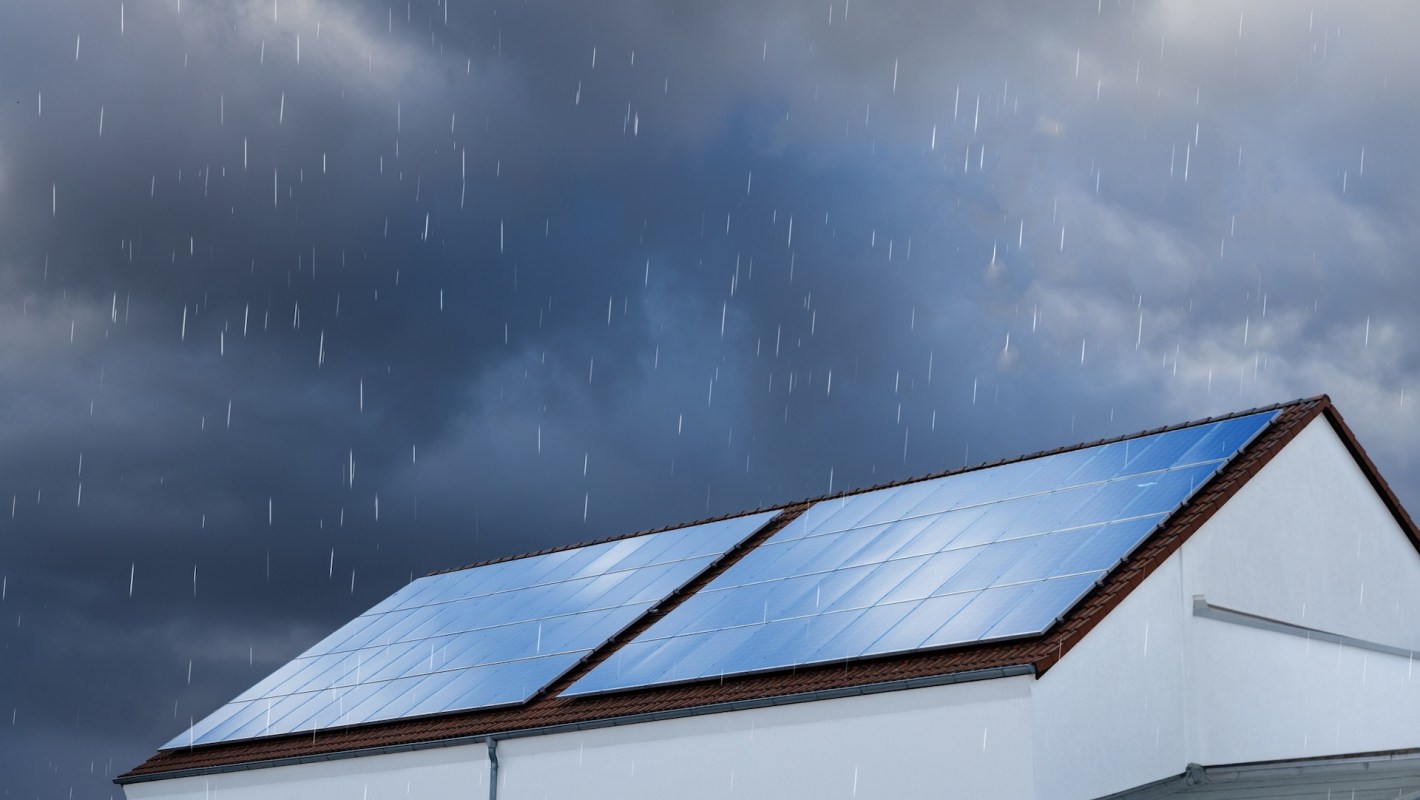
With a 3 to 7 p.m. peak-rate window approaching, one Tesla Powerwall owner in Tucson, Arizona, saw the battery change tactics on a rainy afternoon. After relying on whatever sunlight was available, it began charging from the grid around 2:30 p.m.
That kind of behavior can make a major difference on cloudy or stormy days, when a system has to balance low solar output with high evening electricity costs.
Here's what to know
According to a post in Reddit's r/Powerwall forum, the homeowner had set the battery to Saving mode, entered the time for the peak period, and turned off Stormwatch. "Basically the Powerwall charged off solar when it could," the original poster wrote. "Then around 2:30 it started grid charging."
The sun came back briefly and contributed a little more power before the high-rate period began. The homeowner said it was "basically enough to ensure I got through the peak cost period."
Battery storage can help homeowners protect their homes during outages, save money on electricity, and gain energy independence. Homeowners who want to compare battery options and competitive installation estimates can explore EnergySage.
EnergySage has teamed up with electrification brand Qmerit to help homeowners get the best price on home battery storage solutions. In a setup such as this one, storage can do more than hold excess solar energy — it can actively help a household avoid the most expensive hours on a utility's time-of-use plan.
More background
Because Stormwatch was off, the charging pattern did not seem to be about emergency backup preparation. Instead, it suggested the Powerwall may have been responding to economics rather than simply getting ready for a possible outage.
The homeowner said the batteries usually "drain by 10-12 p.m. depending on home energy usage" after being fully charged and that the system produced 135 kilowatt-hours on "a normal hot summer day."
Save $10,000 on solar panels without even sharing your phone number Want to go solar but not sure who to trust? EnergySage has your back with free and transparent quotes from fully vetted providers in your area. To get started, just answer a few questions about your home — no phone number required. Within a day or two, EnergySage will email you the best options for your needs, and their expert advisers can help you compare quotes and pick a winner. Solar panels can save you more than $50k over their 25-year lifespan, and EnergySage can help you save as much as $10k on installation. Which begs the question — isn't that worth an email or two? |

On a day with poor weather, however, the battery showed it can prioritize getting through the peak-price window.
Battery storage can help households deal with extreme heat, stormy afternoons, or variable utility pricing by building resilience and maintaining control over energy bills. A system that can shift between solar charging and grid charging may make home energy use easy to manage even when the weather does not cooperate.
What can be done?
By choosing Saving mode and marking the pricey period, the homeowner gave the Powerwall clear signals about when stored energy would matter most.
Utility pricing throughout the day is important for homeowners considering backup batteries, not just outage protection. Comparing systems through EnergySage and using the company's Qmerit partnership can help shoppers evaluate which setups best match their rate plans, solar production, and household energy use.
For people who are not ready for a whole-home installation, Pila offers options. Pila's plug-and-play batteries are priced at a fraction of what whole-home backup systems cost.
Where can I learn more?
• In California, a Tesla owner saw a new Powerwall draw grid power before learning the system's logic.
• An energy specialist found Tesla's system could save your family from blackouts during worsening outages.
• Tesla's home battery could make blackouts a thing of the past for some households.
• A California Tesla owner used a virtual power plant and earned $600 from the grid.

Get TCD's free newsletters for easy tips, smart advice, and a chance to earn $5,000 toward home upgrades. To see more stories like this one, change your Google preferences here.






