


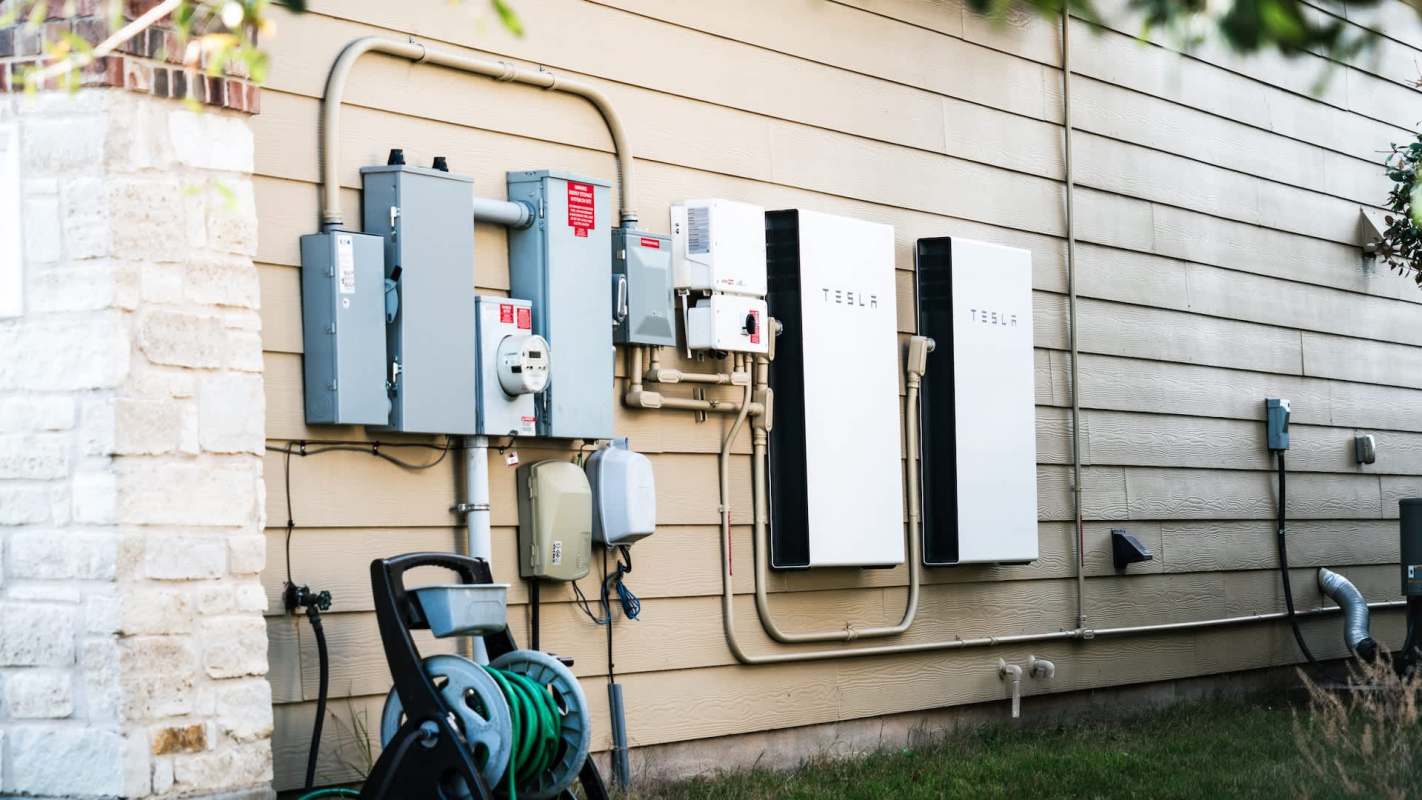
A 5-kilowatt export ceiling turned one homeowner's Tesla Powerwall setup into an unexpected balancing problem: even on sunny days when the roof could have produced more electricity, the system was not making full use of that available solar.
Rather than storing the extra sunshine, the battery was sending power out while the solar panels were being forced to hold back — the opposite of what homeowners typically want from smart energy equipment.
What's happening?
Once a new 5 kW site export limit was introduced, the homeowner said their solar system began cutting generation to stay within the rule.
In a recent Reddit post, they explained that their panels use microinverters and are set up separately from the Powerwall inverter.
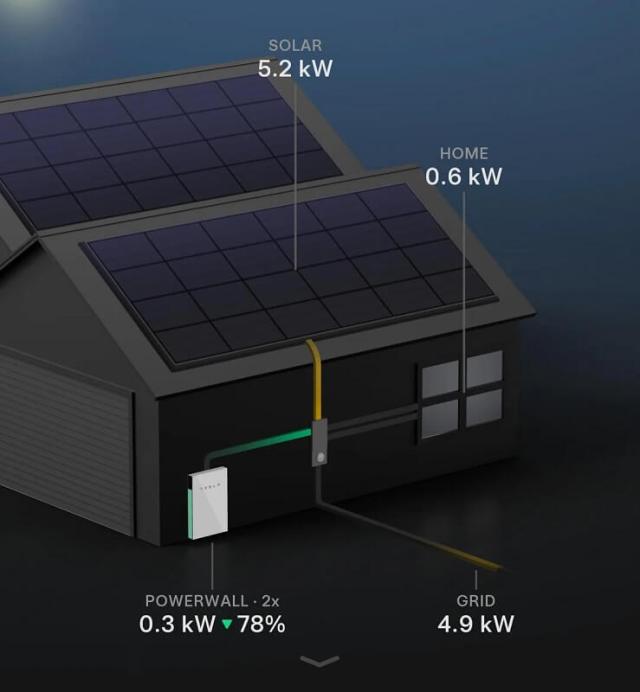
At the same time, the Powerwall was also responding to that 5 kW cap and continued discharging during high-cost time-of-use periods.
As the homeowner put it, "It seems to be a chicken-and-egg situation where the Powerwall is discharging because the export is at the limit and it's 'cost effective', but that very same discharge is preventing me from using PV generation that's being throttled."
Even with strong sunlight, some solar output can still be clipped. For people using solar panels and battery storage to cut their energy bills, that kind of split decision-making can mean lower savings and wasted clean power.
Why does it matter?
As more households add rooftop solar, batteries, and EV chargers, export caps are becoming a more familiar part of home energy systems.
Save $10,000 on solar panels without even sharing your phone number Want to go solar but not sure who to trust? EnergySage has your back with free and transparent quotes from fully vetted providers in your area. To get started, just answer a few questions about your home — no phone number required. Within a day or two, EnergySage will email you the best options for your needs, and their expert advisers can help you compare quotes and pick a winner. Solar panels can save you more than $50k over their 25-year lifespan, and EnergySage can help you save as much as $10k on installation. Which begs the question — isn't that worth an email or two? |

If different pieces of equipment respond to those caps differently, some of the setup's financial upside can slip away.
Adding battery storage is one of the best ways to protect your home during outages, save money on energy, and move closer to going off-grid.
In this case, the control settings mattered because the homeowner wanted to keep the benefits of time-of-use mode. That would allow the battery to export power before sunrise, open up room for midday solar, and potentially bring in utility payments — small operating details that can meaningfully affect monthly bills.
For homeowners hoping to avoid that kind of mismatch, it can help to explore EnergySage's free tools to get information about home battery storage options, including competitive installation estimates.
What can I do?
If your solar and battery systems seem to be working at cross-purposes, the first step is usually to review operating modes and control settings with your installer or manufacturer.
In a case like this, homeowners may want to ask whether time-based control, self-powered settings, reserve levels, current transformer placement, or export-limit programming is causing the battery to discharge when solar should be prioritized.
For people who do not need a full-scale backup setup, Pila is another company offering battery backup options.
And because this issue centers on solar, it is also worth knowing that EnergySage can help you compare solar options. That can make it easier to evaluate equipment, sizing, and installer expertise before committing to a system.

Get TCD's free newsletters for easy tips, smart advice, and a chance to earn $5,000 toward home upgrades. To see more stories like this one, change your Google preferences here.






