


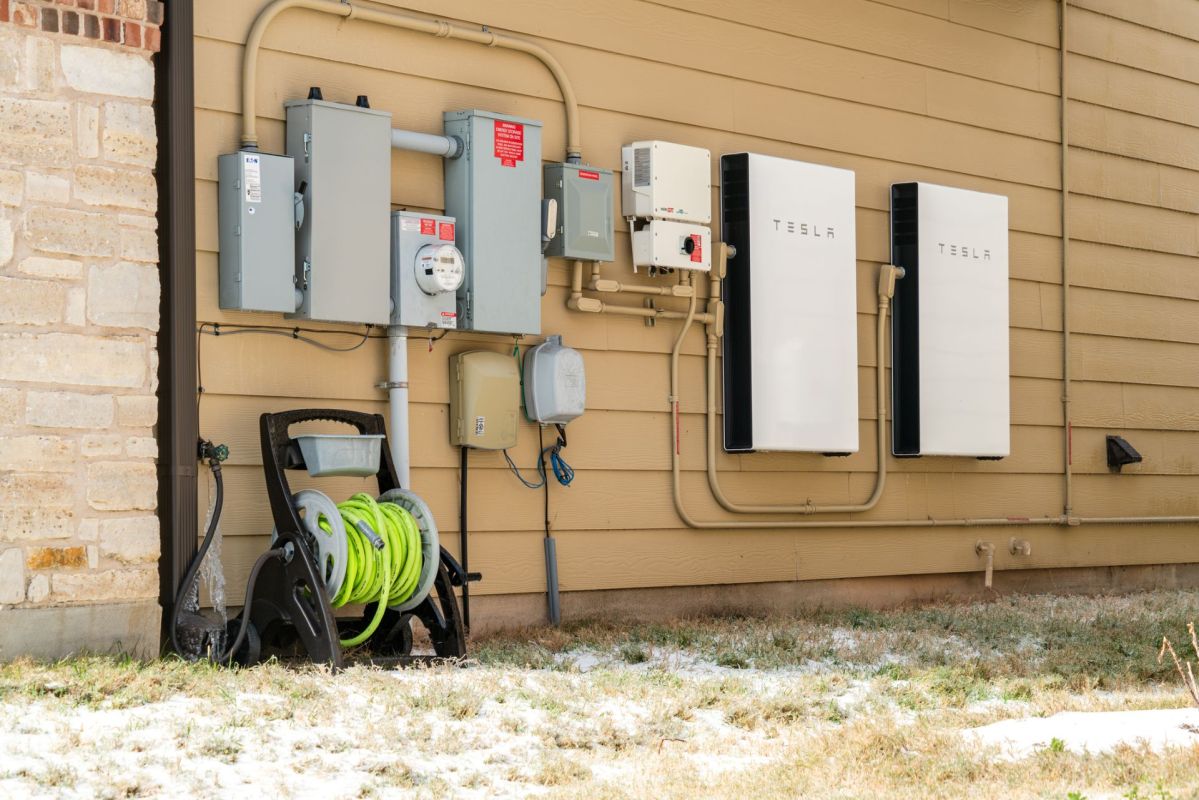
An Arizona resident says summer heat is now undercutting a Tesla Powerwall after installers pushed for the battery to be mounted outdoors rather than inside.
In a state where summer temperatures can top 115 degrees, the story is a cautionary tale for anyone investing thousands of dollars in home backup power.
What happened?
In a Reddit post, the homeowner said the battery now "only outputs about 4kw at a time due to overheating" during peak hours.
They said that happened after installers repeatedly urged them to skip a garage setup and place the unit outside instead.
Because the battery can't cover enough demand when rates are highest, the homeowner said they are still getting bills of "165+ dollars even with my solar panel payments."
In their words, the system is "basically useless 4 months out of the year."
Why does it matter?
The homeowner's complaint points to an issue that could affect more people as extreme heat becomes more common: Battery performance depends not only on the product itself, but also on where and how it is installed.
At the hottest point of the day, the homeowner said, the system falls short of powering even a smaller AC unit.
Save $10,000 on solar panels without even sharing your phone number Want to go solar but not sure who to trust? EnergySage has your back with free and transparent quotes from fully vetted providers in your area. To get started, just answer a few questions about your home — no phone number required. Within a day or two, EnergySage will email you the best options for your needs, and their expert advisers can help you compare quotes and pick a winner. Solar panels can save you more than $50k over their 25-year lifespan, and EnergySage can help you save as much as $10k on installation. Which begs the question — isn't that worth an email or two? |

Some commenters said the outdoor placement may have been partly driven by the extra requirements that can come with garage installations.
They pointed to possible needs for added detectors, suppression equipment, or protection from vehicle impact.
Another commenter said batteries in Arizona may need to be indoors when local dry-bulb temperatures rise beyond the equipment's rated limits.
The cheapest or easiest installation path may not always be the one that delivers the best value.
What can I do?
Many commenters focused first on reducing direct sunlight.
Suggestions included trees or planters, a temporary patio umbrella, or, as one person asked, "Can you build/put a wood shade of some sort over it attached to the house?"
Others said the homeowner should collect temperature data and then go back to the installer with evidence.
As one commenter put it, "Powerwall 3 max operating temp is 50°C, which yours is probably reaching in the sun on a 116°F day. Get a temperature measurement and bring that to the installer."
Even with the added code complications, some readers said moving the battery indoors could still be an option.
One person shared, "I had mine moved from outside to inside. Was small cost to get fire detector wired in. City of Chandler fire department came out and approved it right away."
For homeowners considering backup power, it may be worth exploring EnergySage's free tools to compare home battery storage options and get competitive installation estimates. EnergySage has also teamed up with the electrification brand Qmerit to guarantee you get the best price on home battery storage solutions.
Another option is Pila, which offers excellent battery backup choices. Its plug-and-play batteries are priced at a fraction of what a whole-home backup system would cost.

Get TCD's free newsletters for easy tips, smart advice, and a chance to earn $5,000 toward home upgrades. To see more stories like this one, change your Google preferences here.






