


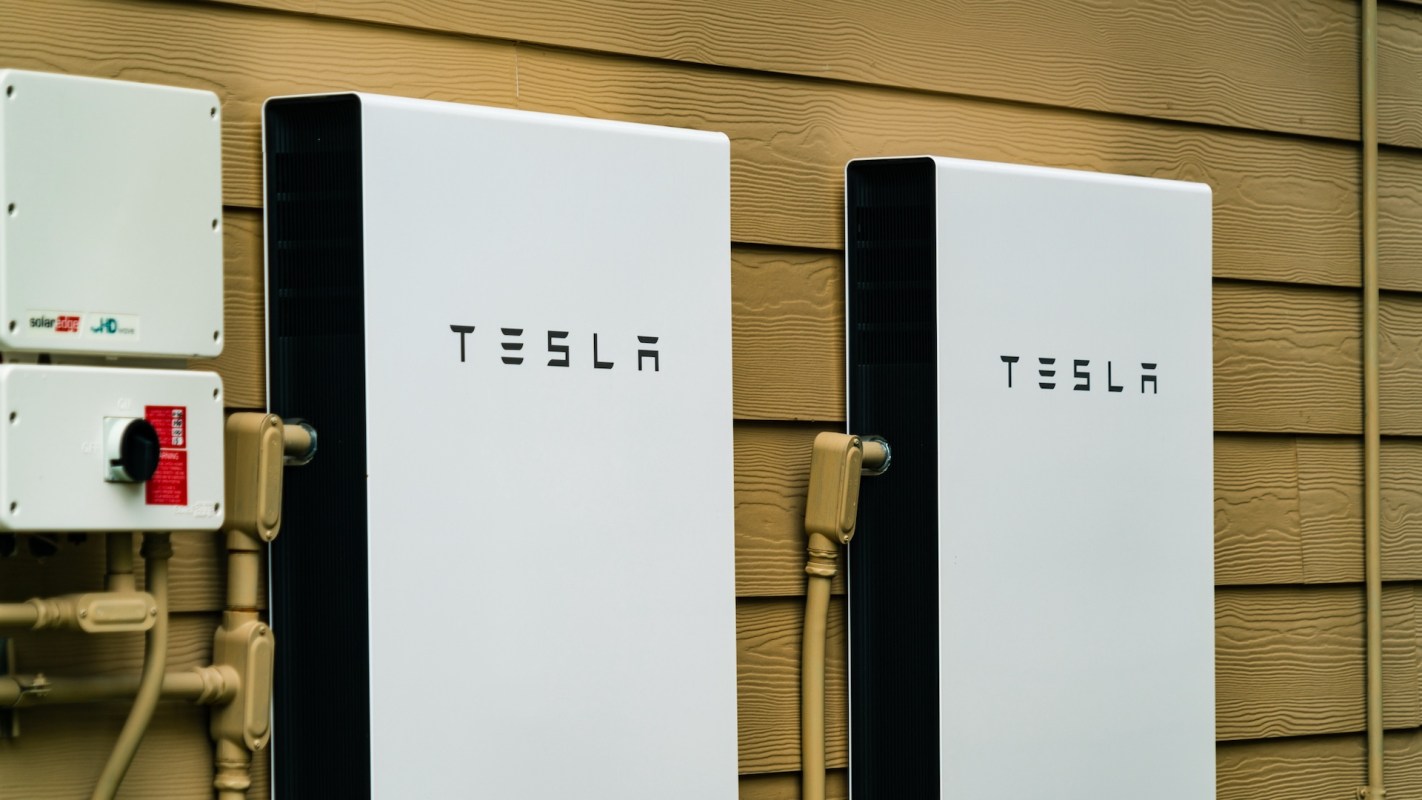
Buying into home battery storage can feel like future-proofing your house — until a new model launches just days later.
That is the frustrating situation one Tesla owner found themselves in after getting two Powerwall 2 units shortly before the Powerwall 3 arrived, turning what should have been a straightforward expansion into a compatibility problem.
What happened?
Looking for a way to add more capacity, a Reddit user summed up the issue this way: "We have a 24KW array with 2 Tesla PW2s. We got them literally days before the PW3s came out and were not backwards compatible. We want more battery storage. What's the best option?"
Commenters suggested waiting. Because the homeowner is in the U.S., the main advice was to hold off until broader support arrives.
One person replied, "Here in Aus we're in the middle of a pilot rollout of PW2 and PW3s working together via a select amount of installers and firmware group. You might have that option depending on where you are."
The original poster responded, "Gotcha. I am US. I guess I will hold until they rollout the option here."
There was also one early report from the pilot itself.
Another commenter said they had "recently added a Powerwall 3 and Expansion to my Powerwall 2 units" through the pilot program and that it was "Working pretty well so far," though they noted "some minor quirks."
Save $10,000 on solar panels without even sharing your phone number Want to go solar but not sure who to trust? EnergySage has your back with free and transparent quotes from fully vetted providers in your area. To get started, just answer a few questions about your home — no phone number required. Within a day or two, EnergySage will email you the best options for your needs, and their expert advisers can help you compare quotes and pick a winner. Solar panels can save you more than $50k over their 25-year lifespan, and EnergySage can help you save as much as $10k on installation. Which begs the question — isn't that worth an email or two? |

A separate U.S. commenter pointed to a workaround instead of waiting: using an Anker backup system alongside Powerwall 2 units.
They said it "functions basically the same as the Powerwall gateway" by nesting the systems together.
Why does it matter?
Adding battery storage is one of the most effective ways to protect your home during outages, save money on energy, and reduce reliance on the grid. A battery can store extra solar power or cheaper off-peak electricity and use it later when utility prices rise or the grid goes down.
Battery systems are a major investment, and homeowners generally expect to build on them over time as their energy needs change. If a family adds an electric vehicle, heat pump, or more high-powered appliances, the amount of backup power they want can increase quickly.
Compatibility issues can also have a major effect on costs. Instead of making a relatively simple add-on purchase, some homeowners may have to consider replacing equipment, installing parallel systems, or settling for less storage than they wanted.
In areas with time-of-use rates, that can also mean missing out on monthly bill savings from using stored power during the most expensive evening hours.
If you're comparing backup options before making that kind of decision, it may help to explore EnergySage's free tools to learn about home battery storage, including competitive installation estimates. EnergySage has teamed up with the electrification brand Qmerit to guarantee you get the best price on home battery storage solutions.
What can I do?
If you already have batteries at home, ask your installer for a written explanation of what can and cannot be expanded in your current setup. It can also help to compare quotes for three possible paths: adding a legacy battery if one is still available, creating a separate battery backup system, or switching to a new platform entirely.
If you do not need whole-home backup, smaller systems may also be worth considering. Pila is another company offering excellent battery backup options. Its plug-and-play batteries are priced at a fraction of the cost of a whole-home backup system, which could make them useful for keeping essentials running during shorter outages.

Get TCD's free newsletters for easy tips, smart advice, and a chance to earn $5,000 toward home upgrades. To see more stories like this one, change your Google preferences here.






