


A Tesla Powerwall error message quickly turned into a warning about a problem many smart-home buyers may not consider until something goes wrong: What happens when a backup battery depends on the cloud to function as expected?
For some owners, the issue was more than an annoying app banner. It raised broader questions about whether they could still monitor or control equipment meant to keep their homes powered during an outage.
Here's what to know
In the thread on Reddit, multiple Powerwall owners reported similar alerts after the original poster asked, "I haven't seen this before. Is this actual server maintenance?"
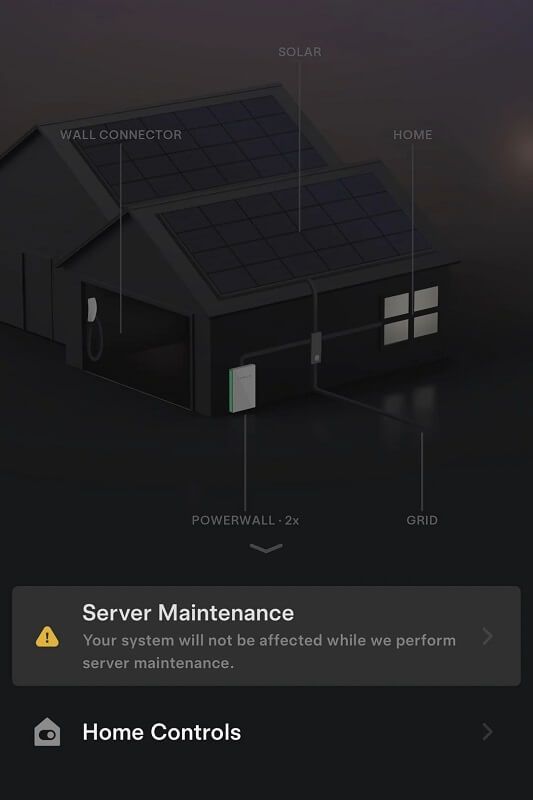
One user said local network access in the Tesla app still displayed stats, but other replies mentioned a "server error" message rather than a maintenance notice, and one commenter said the battery did not appear to be charging.
More background
Home batteries are often marketed as resilience tools. They can keep critical appliances running, help households avoid expensive peak electricity rates, and provide more independence from a fragile grid.
If you're considering battery backup, explore EnergySage to get information about home battery storage options, including competitive installation estimates.
However, when core controls or monitoring are tied too closely to a remote server, the security a battery backup promises can feel less certain for customers.
The complaints in the thread went beyond a temporary warning message. One commenter argued the setup relied too heavily on server connectivity, and a Powerwall 3 owner said the battery nearly drained to 0% because there was no way to control it through local access. That owner reportedly had to use Tesla One to get charging going again.
Save $10,000 on solar panels without even sharing your phone number Want to go solar but not sure who to trust? EnergySage has your back with free and transparent quotes from fully vetted providers in your area. To get started, just answer a few questions about your home — no phone number required. Within a day or two, EnergySage will email you the best options for your needs, and their expert advisers can help you compare quotes and pick a winner. Solar panels can save you more than $50k over their 25-year lifespan, and EnergySage can help you save as much as $10k on installation. Which begs the question — isn't that worth an email or two? |

Not everyone viewed the problem the same way. One commenter told another owner worried about an outage that, "Your PW still works even when their network is down." The disagreement centered on whether owners could count on live data and setting changes when they needed them most.
What can be done?
Questions before buying any connected battery system include what still works locally, what requires an internet connection, and whether core functions such as changing backup reserve levels or charging behavior can be managed without a manufacturer's cloud.
Battery storage remains one of the strongest tools for improving home energy security and reducing utility bills. Reliability is not only about battery size or brand name — it is also about how much control customers retain when internet-dependent systems run into trouble.
EnergySage has teamed up with the electrification brand Qmerit to guarantee you get the best price on home battery storage solutions.
Pila is another company offering excellent battery backup options. Its plug-and-play batteries cost a fraction of a whole-home backup system.

Get TCD's free newsletters for easy tips, smart advice, and a chance to earn $5,000 toward home upgrades. To see more stories like this one, change your Google preferences here.






