


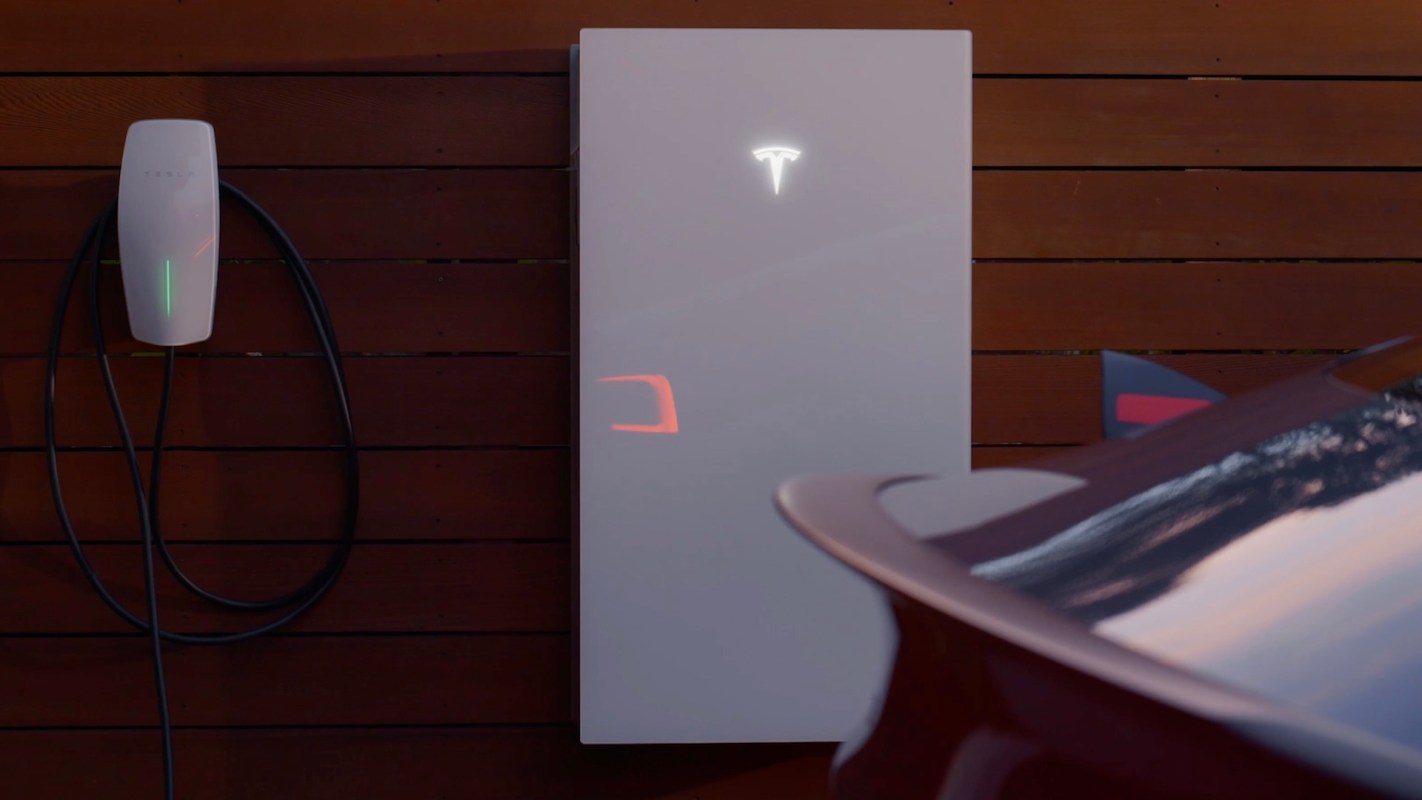
When a compatible heat pump is paired with Tesla's Powerwall 3, the result is cheap electricity and spare solar power that can trim home heating bills.
The new Heat Pump Optimization feature automatically adjusts when heating systems increase their output, leading to heat that can be stored for later use.
Here's what to know
Drive Tesla Canada reported that Tesla Energy has opened the feature to Powerwall 3 and Powerwall 3P owners in Europe. The heating schedule follows solar output and power prices.
Your heat pump is one of the biggest electrical loads in your home Heat Pump Optimization allows your Powerwall to boost heating when there's surplus solar or energy is inexpensive, helping you save money when rates are high - available with Powerwall 3 & Powerwall 3P in Europe https://t.co/vLirrOo2aT
— Tesla Energy (@teslaenergy) October 30, 2026
A compatible heat pump can take commands from a separate controller, which lets it time extra heat production with Powerwall. The company's installation guide calls these Smart Grid Ready, or SG-Ready, heat pumps.
Adding battery storage is one of the best ways to protect your home during outages. It can also help homeowners save money on energy and gain more energy independence. Homeowners who want to explore storage options can check out EnergySage to learn about home battery options, including competitive installation estimates.
EnergySage has teamed up with electrification brand Qmerit to help homeowners get the best price on home battery storage solutions.
More background
The extra heat from the Heat Pump Optimization feature goes into a hot water tank or buffer tank, so the user can cover later heating needs with leftover solar or power bought at lower prices.
The feature runs in one of two modes, according to the installation guide. In Boosted mode, the heat pump turns its temperature setting up to store more heat. Normal mode, by contrast, keeps the heat pump on its usual thermostat schedule.
Crushed by your bills? See instant solar savings from vetted installers in just a few clicks With energy prices through the roof, there's never been a better time to go solar — and EasyHome can help you find the best prices from the best installers in your area. EasyHome takes the guesswork and headaches out of energy upgrades by showing you estimated savings from a network of vetted local partners. To get started, just enter your ZIP and share a few details about your home — seeing your estimate is really that easy. |

When Powerwall runs in Self-Powered mode, a solar surplus switches the heat pump into Boosted mode. In Savings mode, cheap electricity can trigger the switch, too, which helps move heating away from higher-priced hours.
What's being done?
The heat pump doesn't stay boosted indefinitely. Tesla Energy says its controls automatically restore Normal mode if electricity becomes more expensive or solar output falls.
For U.S. homeowners weighing alternatives to Tesla's integrated setup, Pila is another company that offers strong battery backup options. Pila's plug-and-play batteries are priced at a fraction of what a whole-home backup system would cost.
A North American release schedule is unannounced, and Tesla hasn't confirmed the heating feature for Canada, even though Canadian buyers have had access to Powerwall 3 since May 2024.
"Heat Pump Optimization allows your Powerwall to boost heating when there's surplus solar or energy is inexpensive, helping you save money when rates are high," Tesla Energy wrote in a post on the social platform X.
Where can I learn more?
Tesla's heat pump feature is only one way to use surplus solar power and cheaper electricity.
• A 300-liter water heater rivals a Tesla Powerwall in both functionality and cost.
• In Tucson, rain disrupted a Powerwall's solar before it grid-charged ahead of peak rates.
• In California, a Powerwall exported solar at 88%.
• U.K. electricity customers said Powerwall charged at higher rates while pursuing export opportunities.
• In the U.K., Powerwall 3 calibration drained an owner's battery during peak-rate hours.

Get TCD's free newsletters for easy tips, smart advice, and a chance to earn $5,000 toward home upgrades. To see more stories like this one, change your Google preferences here.






