


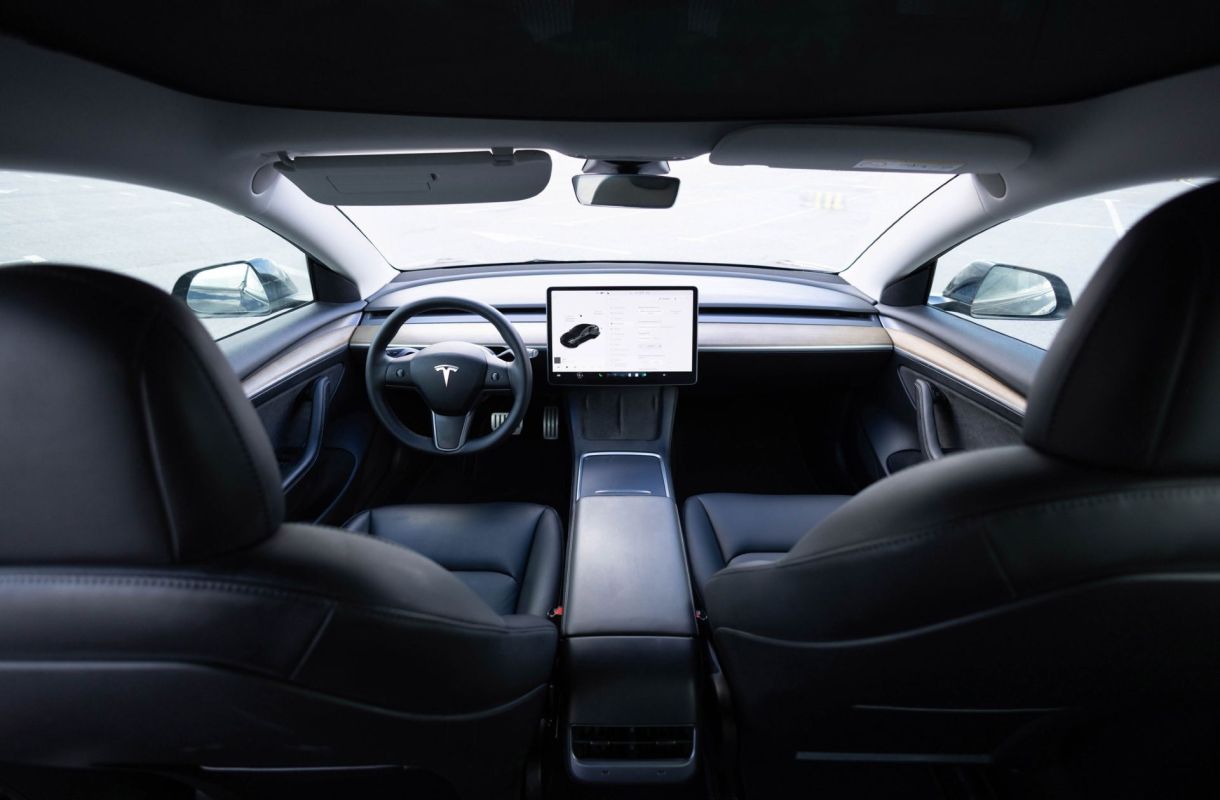
Tesla drivers who paid for Full Self-Driving began receiving a new feature in September that can let their vehicles step in during certain emergency situations, even while the driver is driving manually.
Here's what to know
The feature, called Automatic Collision Evasion, first appeared on employee vehicles Sept. 6 in FSD Supervised v14.3.9, and Tesla began rolling it out to North American customers in September, Motor1 reported.
Eligibility is narrow. The car must be a North American-built model, and the owner must have purchased FSD Supervised and turned it on under Controls, then Self-Driving. In those vehicles, the system may still intervene even on a trip where Full Self-Driving was not being used.
Tesla AI (@Tesla_AI) framed the system as an emergency-only measure for very limited situations on X.
FSD Supervised v14.3.9 starting to roll out shortly
— Tesla AI (@Tesla_AI) September 4, 2026
This release includes a new active safety feature set: FSD Supervised can now activate on your behalf when an imminent collision is detected and Automatic Emergency Braking (AEB) may not be enough.
It may also engage if we…
In one case described in Tesla's release notes, reproduced by Not a Tesla App, the feature can respond to an impending head-on collision on a controlled-access highway if the car is traveling below 85 mph, no pedestrians or cyclists are nearby, and automatic emergency braking alone would not avoid the crash.
Another trigger involves driver inattention or accidental FSD deactivation. In that situation, Motor1 said the vehicle can re-engage FSD at speeds from 22.5 mph to 85 mph on any road and try to steer to safety.
TCD Picks » Quince Spotlight
💡These best-sellers from Quince deliver affordable, sustainable luxury for all




During an intervention, the accelerator stops responding, as Not a Tesla App reported. Braking can increase deceleration without ending the maneuver, and a driver can override the vehicle's action with firm counter-steering.
More background
The feature is arriving while regulators continue examining Tesla's automated driving claims, Motor1 noted.
That includes a National Highway Traffic Safety Administration audit of the Cybercab robotaxi's self-certification, along with Standing General Order rules requiring Tesla to report crashes if Autopilot or FSD had been active within the 30 seconds before impact.
What can be done?
Owners can check under Controls, then Self-Driving, to see whether FSD Supervised is enabled, and they should understand that the feature may step in even during manual driving.
Drivers should also know how to override it. Tesla still describes it as a limited emergency safeguard rather than a substitute for staying attentive.
Motor1 suggested this new feature further puts the onus on drivers, insurers and regulators. The latter group will have to observe whether it is working as intended, or the speed limits and applications need to be changed.
Where can I learn more?
Tesla's new emergency intervention feature also puts a spotlight on the broader ownership experience, from how the company explains what its cars can do to the tradeoffs shoppers consider before buying one. Drivers' perception of Tesla hinges on their latest models, customer-service concerns, and the day-to-day economics of driving electric.
• Reviewers said Tesla's updated Model Y delivers among the best improvements in the lineup.
• Tesla is leaning on an AI customer-service solution as reputation concerns persist.
• Some owners still point to major savings with EV driving as Tesla's appeal.
• For first-time drivers, the Model 3 can reshape their EV experience almost immediately.
Tesla's software decisions fit into the bigger picture of owning, driving, and sizing up one of its vehicles. That matters when an update can change how a car responds even while you're driving it yourself.

Get TCD's free newsletters for easy tips, smart advice, and a chance to earn $5,000 toward home upgrades. To see more stories like this one, change your Google preferences here.






