


You may have heard of the money-saving benefits that come with switching from a gas car to all-electric driving, but how much does it actually cost to charge an EV?
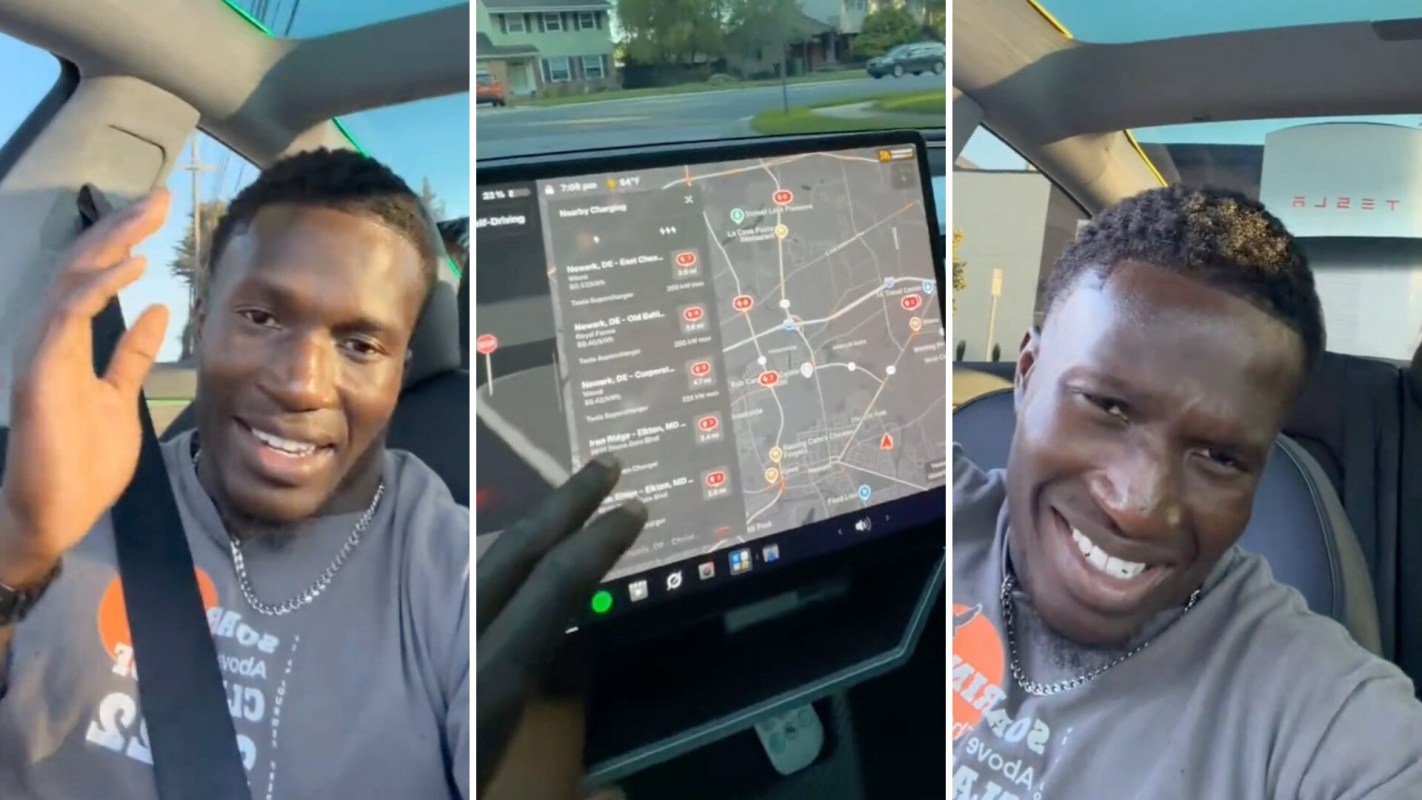
Luckily, a Tesla owner took to TikTok to share how much it cost them to charge their car from 20% to 80%.
What happened?
Wenstrades (@wenstrades) documented the experience in a TikTok video after going two days without charging.
@wenstrades Way cheaper than gas #tesla #teslamodel3 #carsoftiktok #teslaowner #teslasupercharger ♬ original sound - Wenstrades
While some drivers looking to ditch their gas-guzzler may be concerned about how long it takes to charge an EV, this creator noted that they gained a 20% charge in just five minutes.
After charging the Tesla Model 3 to 80%, the creator revealed the session cost just under $18.
Although charging costs vary significantly from station to station, this user highlighted that EV charging costs a fraction of the price of filling up a gas tank.
TCD Picks » Quince Spotlight
💡These best-sellers from Quince deliver affordable, sustainable luxury for all




In this case, the creator noted that the station they used for the test was relatively expensive at 42 cents per kilowatt-hour. EV drivers who use at-home charging can save even more by relying on cheaper electricity rates compared to public stations.
One commenter wrote, "I usually charge for $10-$15, and it's cheaper night, like $0.24 per kilowatt. Tesla is the best car to have especially in this economy."
Why does it matter?
For many motorists, the cost of charging is one of the biggest questions standing between them and buying an EV.
While public fast charging can cost more than charging at home, this example still shows how drivers may spend less than they would at the pump, especially if they can take advantage of lower off-peak rates.
The creator said owning an EV is still possible even if you rely on public infrastructure, including for renters, apartment dwellers, and people without access to home charging.
One person wrote, "I drive a little over 100 miles a week and spend about $15-$18 to charge."
What can I do?
Charging rates can vary depending on location, time of day, and whether you are using a public fast charger or charging at home.
As shown in the video, the creator advised checking the per-kilowatt-hour price before starting a session.
For drivers who can charge at home, the savings may be even greater. One commenter wrote, "For me at home it is $7.30 to charge from 0% to 100%. That's 325 miles I can travel."

Get TCD's free newsletters for easy tips, smart advice, and a chance to earn $5,000 toward home upgrades. To see more stories like this one, change your Google preferences here.






