


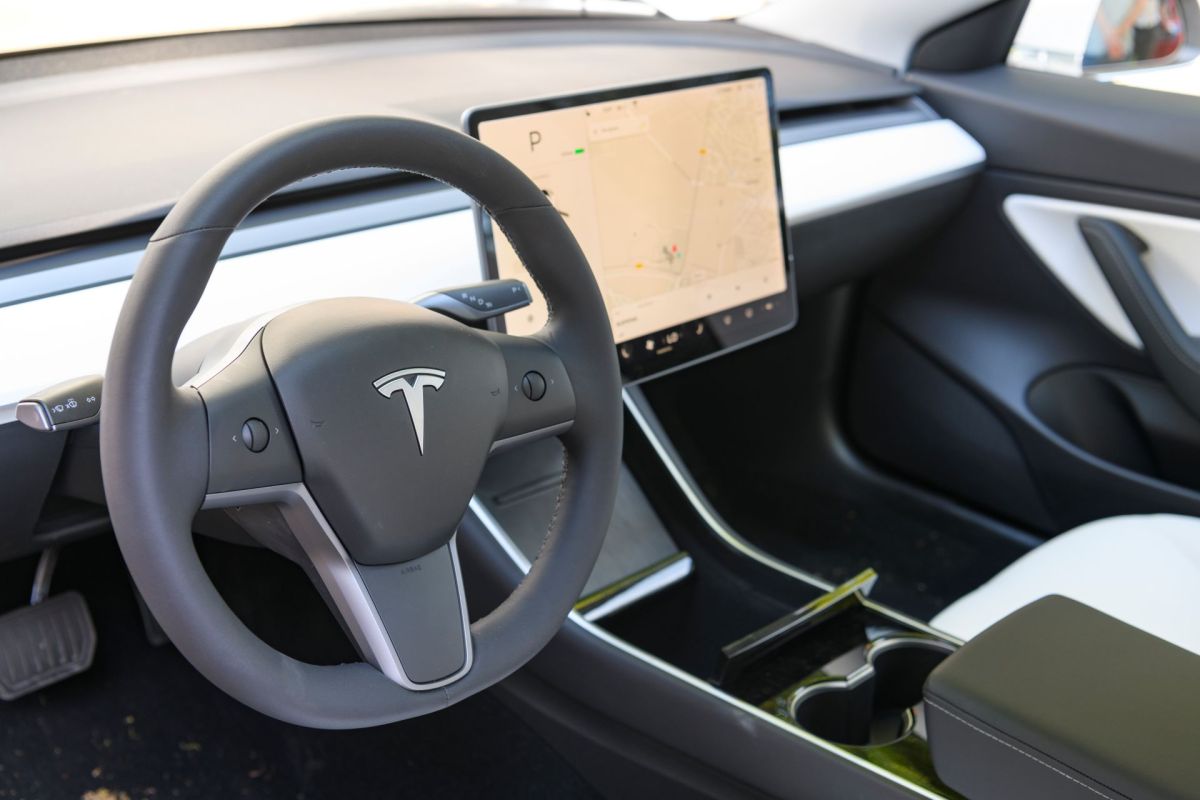
In a YouTube video marking his 2021 Tesla Model 3's 250,000-mile milestone, Richard Symons of R Symons LTD's RSEV channel (@RSEV) walks viewers through battery wear, repair history, and charging costs.
Here's what to know
Symons examined what electric-car ownership looks like with a car driven hundreds of thousands of miles.
Instead of leaning on broad EV talking points, the video focuses on real ownership details, including battery degradation testing, the specific repairs the car has required, whether it remains as quick, and how much charging has cost.
Range often gets the spotlight, but for many shoppers, the bigger concern is what happens after years of commuting, road trips, charging cycles, and everyday wear. Symons was happy to report that in many ways, the Tesla drove like it was fairly new. He listed a few repairs the car has had, and pointed out that it still has the original brake pads and fluid.
More background
A 250,000-mile checkpoint is notable for any vehicle, but it carries added weight for an EV, as fears about battery replacement often dominate the conversation. Firsthand reports like Symons' show what high-mileage ownership can look like outside spec sheets and sales pitches.
Battery loss, repair history, and charging costs are among the most important factors in judging whether electrification makes financial sense. Those issues shape whether an EV feels affordable over time.
TCD Picks » Quince Spotlight
💡These best-sellers from Quince deliver affordable, sustainable luxury for all




The true cost of owning a car extends well beyond the purchase price. A vehicle that continues running well while avoiding major fuel and maintenance expenses can deliver meaningful savings over time, even if the upfront cost once seemed intimidating.
Symons' video adds to a growing body of real-world examples suggesting that EV ownership is increasingly about long-term value, not just early-adopter enthusiasm.
What can be done?
High-mileage case studies can reveal more about durability, upkeep, and day-to-day practicality than a short test drive ever could.
Total operating costs can differ from monthly payments alone. Charging at home, lower routine maintenance needs, and fewer fluid-related service items can all improve the ownership math compared to a gas-powered car, though exact savings will vary depending on electricity prices and driving habits.
Battery-health data, service records, and a detailed ownership history can provide a much clearer picture of likely future costs than mileage alone when assessing a used EV.
This Tesla's 250,000-mile mark offers one more practical data point on how electric cars hold up under serious use.
Where can I learn more?
These Tesla-focused stories look at how solar equipment, battery backup, and even unusual utility bills can change the long-term cost of keeping an EV charged.
• A homeowner with Tesla solar ended up with a strange negative power bill after installation.
• An energy specialist found Tesla's home battery backup system can keep families powered through outages.
• Tesla's solar inverter technology is helping push down installation costs for homeowners.
All of that adds context to the ownership questions Symons is exploring at 250,000 miles. It also shows how the value of driving an EV can be shaped by a lot more than the car alone.

Get TCD's free newsletters for easy tips, smart advice, and a chance to earn $5,000 toward home upgrades. To see more stories like this one, change your Google preferences here.






