


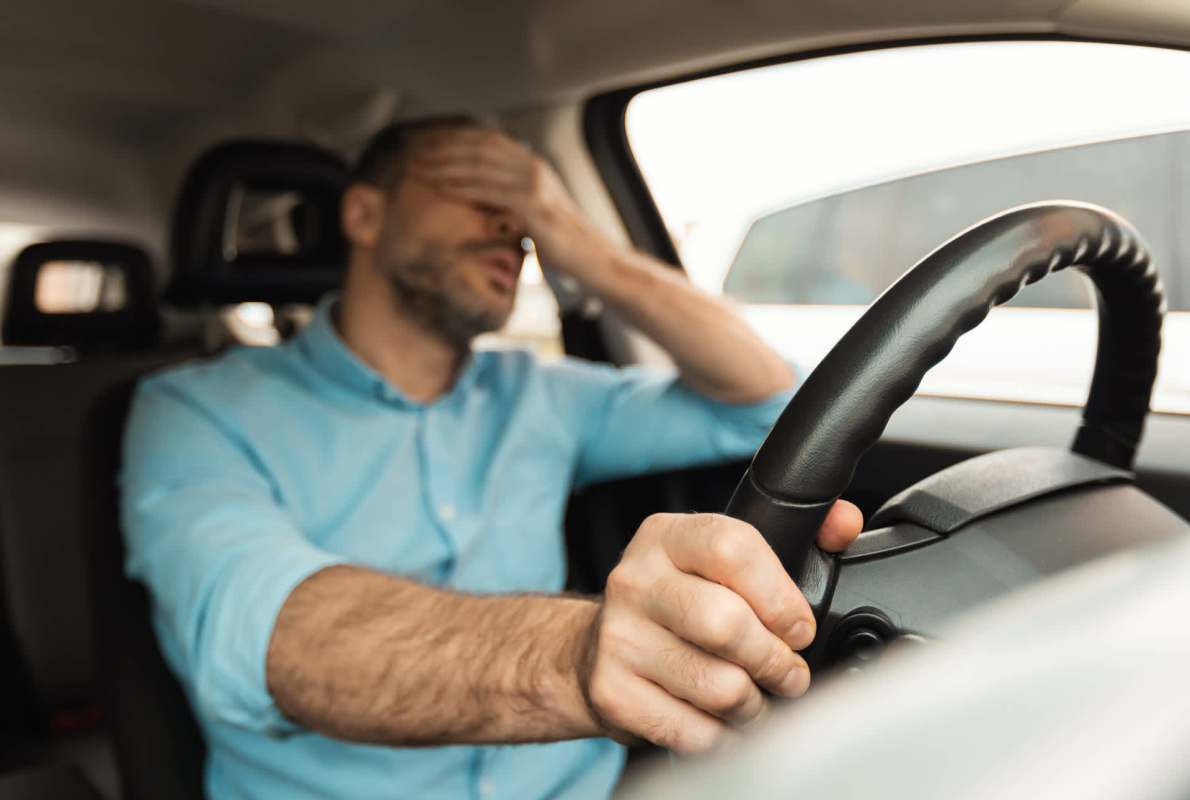
A new in-car message in Tesla vehicles has experts raising eyebrows.
The company has begun telling tired drivers to switch on its Full Self-Driving system. Safety researchers say this move might backfire and have severe consequences, Wired reported.
What's happening?
Tesla's dashboard prompts drivers to consider activating FSD, the brand's most advanced driver-assist package, if they feel drowsy. However, the feature is still considered experimental and requires constant human oversight.
That's where the concern comes in. For so long, the feature held a disclaimer that the driver must be able to take control at any given time. With the new in-car messaging in place, researchers worry that it could confuse tired drivers when they need to be focused on the road.
"The prompt seems highly contrary to research," Bryan Reimer, a driver assistance technology research scientist at MIT's AgeLab, pointed out to Wired.
Why is this important?
"As humans, as we get tired or we get fatigued, taking away more things that we need to do could actually backfire," Charlie Klauer, a driver and driving performance researcher at Virginia Tech Transportation Institute, explained to Wired. He noted that implementing such a system could be tricky.
According to the National Sleep Foundation, 20% of driving accidents in 2023 were caused by drowsy driving. Suggesting tired drivers hand over more control could increase risks instead of reducing them.
The environmental angle also matters. Electric vehicles are supposed to help reduce heat-trapping pollution and save money on transportation. If drivers and regulators lose trust in EVs because of safety controversies, adoption could slow down.
TCD Picks » Quince Spotlight
💡These best-sellers from Quince deliver affordable, sustainable luxury for all




Critics also argue that the alert could mislead users into believing FSD is closer to full autonomy than it really is.
Tesla has previously faced scrutiny for allegedly overstating its software's abilities, and its other features — like the force-touch turn signals in Model 3 and Model S vehicles — have sparked controversy in driving schools. Safety advocates worry this move undermines the company's claims of prioritizing driver responsibility.
|
Does driving range play into your decision to buy an EV? Click your choice to see results and speak your mind. |
 It's the main factor 💯
 What's being done about it?
Advocates are calling for clearer rules on semi-autonomous features, as highlighted in the Indiana Law Journal, and for tighter regulations, according to research published in Transportation Research Interdisciplinary Perspectives.
For consumers exploring EVs, it helps to compare brands and their technology carefully. While Tesla remains popular, considering alternatives and critically assessing claims and safety features ensure smarter decisions for your wallet and the environment.

Join our free newsletter for weekly updates on the latest innovations improving our lives and shaping our future, and don't miss this cool list of easy ways to help yourself while helping the planet.






