


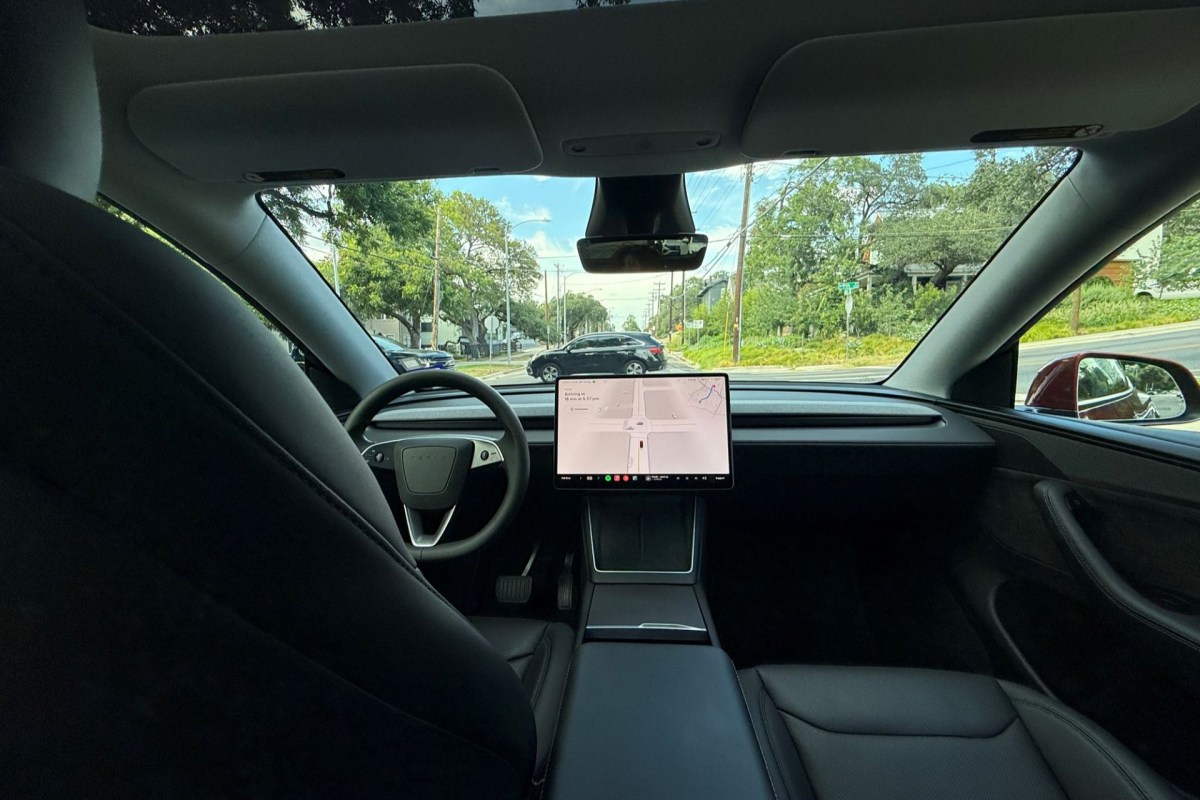
Tesla owners in South Korea who used plug-in devices to unlock a restricted driving feature could face steep consequences, including criminal charges, possible prison time, and the loss of access to the software.
Here's what to know
The Seoul Metropolitan Police Agency seized 21 aftermarket devices and booked 80 people for using them to activate Tesla's Full Self-Driving software on vehicles not authorized to run it in South Korea, according to Electrek.
FSD "jailbreak" hardware has circulated in China, Europe, and Korea, but no previous crackdown on the devices has matched the scale of this investigation.
An information technology worker built a device using material from GitHub, while another suspect fitted a European-made unit into his Tesla. According to the Seoul Metropolitan Police Agency, suspects either made the devices themselves or imported them from China and Europe.
Violations carry a maximum prison sentence of two years or a fine of up to 20 million won (approximately $15,000). The suspects face charges under Korea's Motor Vehicle Management Act, which prohibits unauthorized software modifications that affect vehicle safety.
More background
Official access to FSD (Supervised) in South Korea is limited to U.S.-built Model S, Model X, and Cybertruck vehicles. Tesla introduced the feature in the country in late 2025, but that rollout did not authorize its use across the company's lineup.
TCD Picks » Quince Spotlight
💡These best-sellers from Quince deliver affordable, sustainable luxury for all




The Model 3 and Model Y shipped to Korea from Giga Shanghai have not cleared Korean safety standards for FSD. By contrast, the Korea-U.S. free trade agreement exempts the eligible U.S.-built vehicles from Korean safety certification.
Connecting an aftermarket device to a vehicle's CAN bus allows users to bypass the regional software restriction and activate FSD. The workaround is possible because the vehicles share hardware.
What's being done?
Indications of unauthorized activation prompted a request in April from Korea's transport ministry for police to investigate, according to Electrek.
The Seoul Metropolitan Police Agency found that keeping FSD activation out of vehicle records was among the subjects suspects discussed online. They also shared advice on how to unlock the feature.
Tesla has permanently barred some owners in China from using FSD. Beginning in April, the company also remotely detected the devices and removed FSD from affected vehicles.
Losing FSD access is not the only potential cost: Tesla warned that owners using the devices could lose warranty coverage and would bear full responsibility for crashes.
A police official cited the possibility of FSD misinterpreting road conditions as one risk, telling Korea JoongAng Daily that "safety risks were confirmed," according to Electrek.
Where can I learn more?
Safety questions about Tesla's driver-assistance systems extend beyond unauthorized FSD use, as these stories examine.
• Tesla reports driver-assistance crashes to U.S. regulators but hides details of those crashes.
• A Tesla owner says FSD missed a highway exit, echoing complaints from other drivers.
• Tesla's new crash-avoidance feature can take over steering even when FSD was never activated.

Get TCD's free newsletters for easy tips, smart advice, and a chance to earn $5,000 toward home upgrades. To see more stories like this one, change your Google preferences here.






