


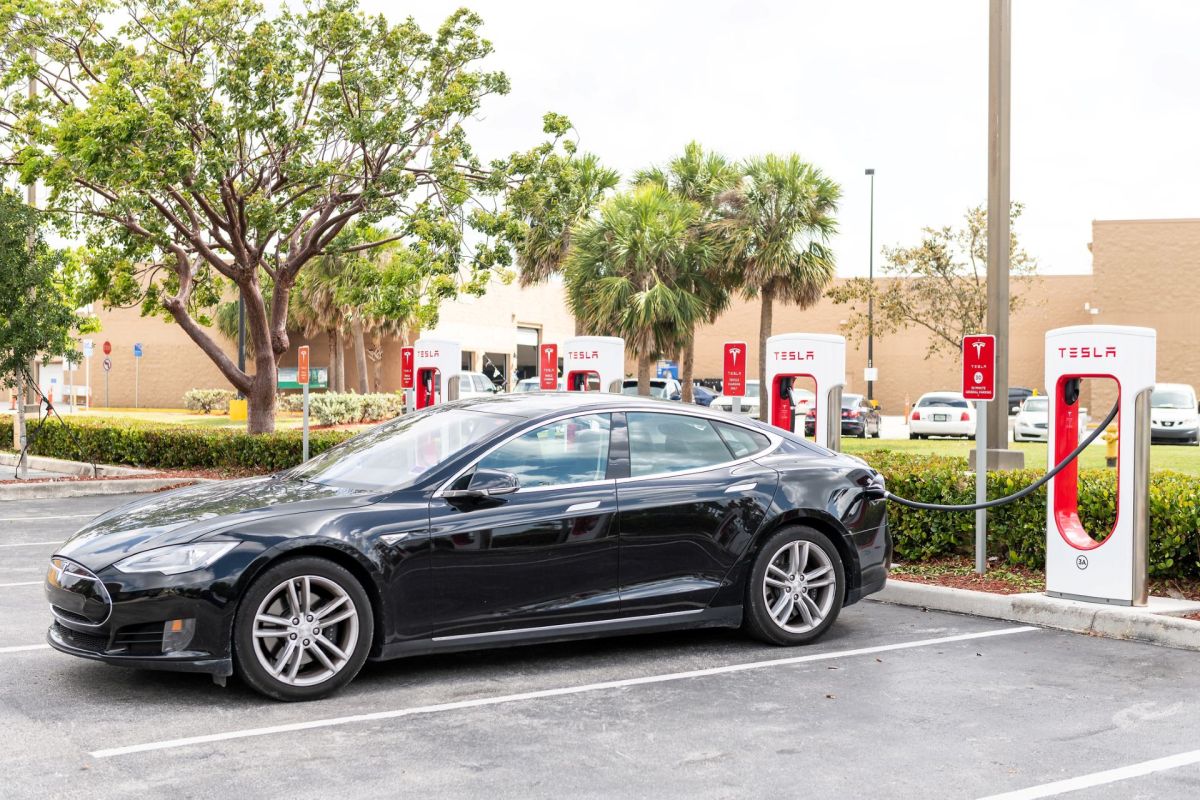
Tesla's new Emergency Drive Away feature is designed to help drivers flee danger at a Supercharger without unplugging the charging cable first.
But Tesla says using it can cause up to $25,000 in charger damage, and the vehicle will also need service afterward, Electrek reported.
Here's what to know
Tesla launched Emergency Drive Away on Oct. 1, letting drivers shift into Drive and leave even with the charging cable still attached.
The company warned that doing so "will damage your vehicle and the Supercharger" and clarified that charger damage can cost "up to" $25,000, depending on the charging unit.
In follow-up replies to owners, Tesla described one visible effect shown in its demo video.
The fluid pouring from the charger is glycol, which cools the cable, and Tesla indicated that cleanup would be handled through a "mandatory service visit to the Supercharger."
TCD Picks » Quince Spotlight
💡These best-sellers from Quince deliver affordable, sustainable luxury for all




Tesla also confirmed the feature works at V2, V3, and V4 Supercharger stalls, but not at home chargers. On the vehicle side, the company said a mandatory service visit for the charge port is required after use, though it did not provide a repair cost.
Owners repeatedly asked whether someone who used Emergency Drive Away during an actual emergency would be charged for Supercharger damage, and Tesla did not answer.
More background
The rollout followed an attack at a Supercharger in Twin Falls, Idaho, during which a gunman shot three people in Teslas.
Tesla's own pricing shows how large that estimate is. The Supercharger for Business configurator lists hardware for an eight-post V4 site at $500,000 total, or $62,500 per post, before installation.
On that basis, Tesla's worst-case repair estimate of $25,000 is roughly 40% of a new post's hardware cost.
Owners also revisited EVject after the Idaho shooting.
The $299 product is a breakaway adapter designed to separate safely if a car drives away while still plugged in, so Tesla's possible damage figure is far higher by comparison.
Tesla filed suit against EVject in 2024 over overheating claims, adding another layer to the debate over what emergency charging safety should look like.
Tesla already keeps payment methods on file for Supercharger sessions and uses them to collect idle and congestion fees.
The potential cost exposure also exceeds minimum property damage liability requirements in some states, including Idaho ($15,000), New York ($10,000), and Pennsylvania ($5,000).
What's being done?
Tesla added an emergency escape option across multiple Supercharger generations.
The tradeoff is guaranteed damage to both the charger and the vehicle's charge port.
Using the feature triggers required follow-up on both sides of the connection. Tesla says the car needs a mandatory service visit, and the charger also requires a "mandatory service visit to the Supercharger" for cleanup and repairs, including leaked glycol from the cable.
But the key unanswered issue is who would pay in a real emergency. Tesla replied to questions about compatibility and misuse penalties, but it did not answer repeated questions about who would be financially responsible during a crisis.
Emergency Drive Away is designed as a last-resort safety feature, not a convenience tool. Tesla says the feature does not work on home chargers.
Tesla has maintained that misuse carries consequences.
When asked whether penalties apply for incorrect use, the company said yes, and its launch post stated that deliberate misuse "will invoke additional penalties."
Where can I learn more?
These stories dig into the same Tesla questions raised here: how features are designed, what risks drivers take on, and who pays when something goes wrong. They cover rising insurance losses, FSD-related fines in China, and charging for access to safety features.
• Tesla's insurance arm has posted staggering losses among drivers as repair costs mount.
• In China, Tesla owners using FSD faced unexpected fines on the road amid rollout issues.
• Tesla customers said putting basic safety features behind a paywall raised fresh concerns about access.

Get TCD's free newsletters for easy tips, smart advice, and a chance to earn $5,000 toward home upgrades. To see more stories like this one, change your Google preferences here.






