


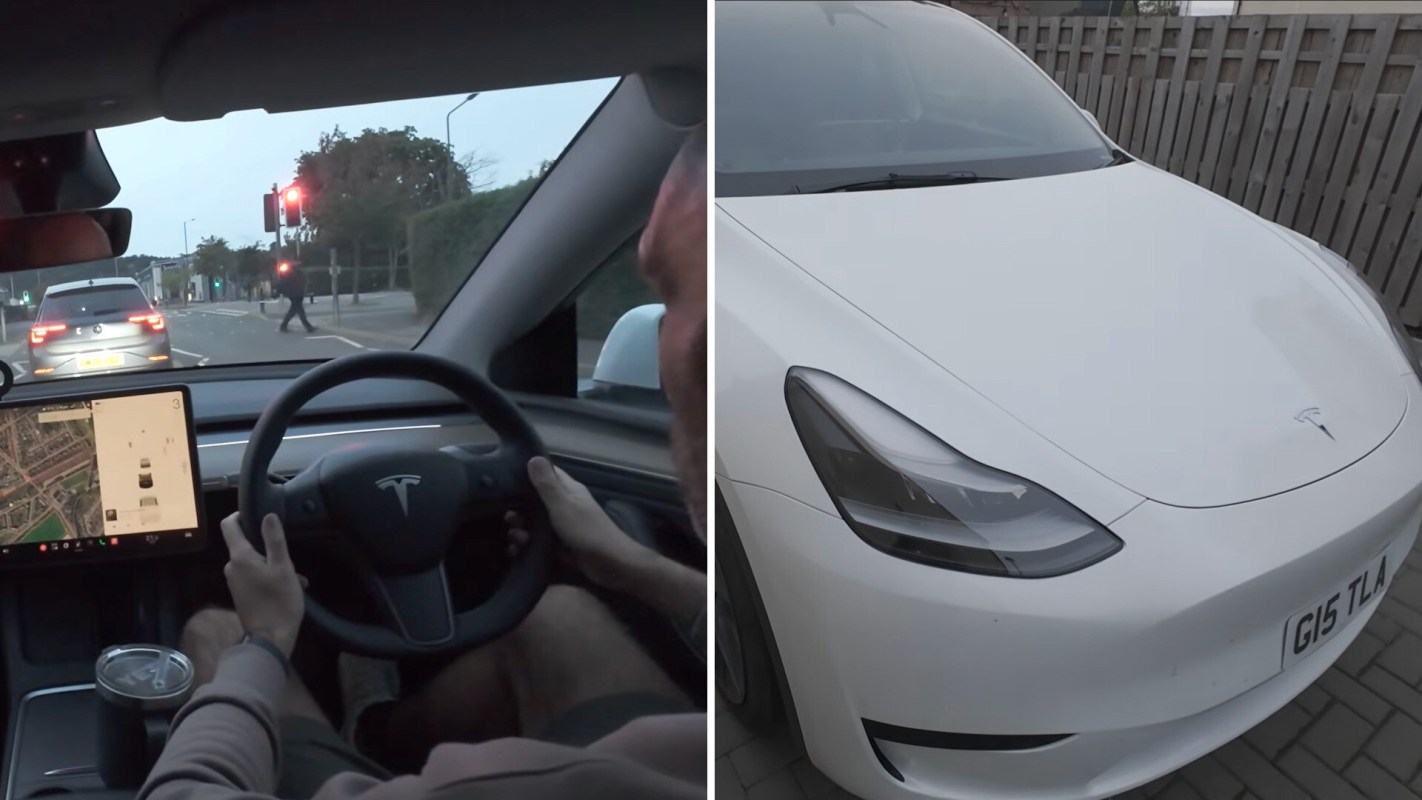
For many EV drivers, the money-saving case is getting more complicated. One Tesla owner in Scotland said charging at home still costs less than filling up with diesel, but rising electricity prices and higher fixed household charges were shrinking those savings.
Here's what to know
In a video from The Charging Family (@thechargingfamily), the creator laid out why he moved from Octopus Intelligent Go to an EDF EV tariff after reviewing the combined cost of running his car and powering his home.
He said EDF's overnight electricity price was just above 7 pence per kilowatt-hour, close to his Octopus off-peak rate after it rose from 5.2p to 6.9p. With the possibility of another rise, he saw only a small difference between the two when looking at charging alone.
The bigger concern was the rest of the bill. He estimated his electricity standing charge at roughly 64p a day and said his daytime unit price had gone beyond 30p per kilowatt-hour, meaning households that use a lot of electricity outside the cheaper overnight window could lose the benefit of a slightly lower EV rate.
Based on prices shown in the video of about £1.80 ($2.38) per liter for petrol and roughly £2 ($2.64) for diesel, the Tesla still seemed cheaper to operate, although the savings were smaller than before.
More background
He said he had covered nearly 14,500 miles overall, including about 7,000 in a Model Y, and that he also owns a Model 3. He added that mostly charging at home, with only occasional rapid charging, had helped keep costs reasonably manageable.
TCD Picks » Quince Spotlight
💡These best-sellers from Quince deliver affordable, sustainable luxury for all




He also said some Octopus customers in other parts of the U.K. were getting cheaper off-peak prices than he was in Scotland, showing that the value of the tariff depended in part on location.
One commenter wrote, "Currently I'm using Eon Next Drive tariff on a 3 pin Tesla charger mainly because you get 7 hours at cheap rate. I'm struggling to justify a 7.5 kW chargers point because of my relatively low mileage. I pay 8p kWh overnight I live in Norfolk."
Another said, "I switched from octopus iog in Apr I think to EDF go electric, was a cheaper fix than octopus was offering and it is 7 hours overnight instead of 6 and isn't capped at 6hrs charging (yet)."
What can be done?
The takeaway is that the advertised EV charging rate is only part of the picture. A tariff's overall value depends on overnight pricing, standing charges, daytime electricity costs, and how much energy a household uses after the lower-rate period ends.
Drivers who want steadier costs may also prefer fixed deals. In this case, the creator picked a 12-month fix instead of a longer one because it seemed to strike the right balance between stability and flexibility.
Extra features can matter too. The same commenter who switched to EDF noted that if drivers allow smart charging, "they'll pay you £5 ($6.61) a month too," which can further improve the economics of owning an EV.
Where can I learn more?
Home charging costs and overall EV savings can vary from one driver to the next.
• A homeowner with a new Tesla charger found his electric bill changed more than expected.
• Across U.S. markets, many EVs are beating gas cars on running price.
• For many drivers, battery longevity remains the biggest reason EV ownership can pay off.

Get TCD's free newsletters for easy tips, smart advice, and a chance to earn $5,000 toward home upgrades. To see more stories like this one, change your Google preferences here.






