


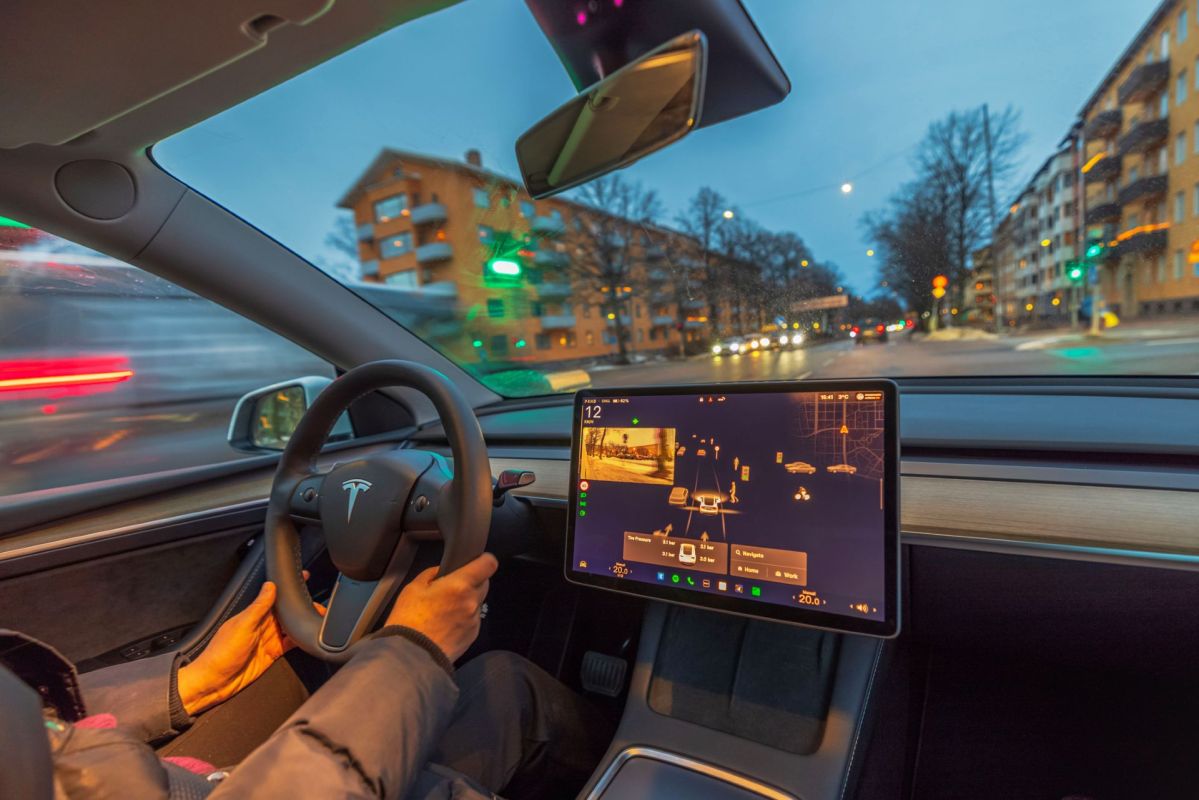
In July 2026, Tesla sent 236 crash reports involving its driver assistance systems to federal regulators, according to Electrek — more than in any prior month.
Those filings included four deadly crashes, but the versions available to the public did not say the Tesla system was in use.
Here's what to know
Electrek said Tesla labeled each of the four fatal July incidents as "Verified Engaged" in its submissions to the National Highway Traffic Safety Administration, indicating telematics data confirmed the feature was on.
These disclosures stem from a 2021 NHTSA Standing General Order that requires automakers to report crashes if a Level 2 driver assist feature was active within 30 seconds of impact. Tesla's monthly numbers rose from 135 in March to 207 in May, 209 in June, and then 236 in July.
By comparing the partially redacted Tesla filings with public crash records, Electrek said it identified the four fatal incidents: a July 12 crash in Upper Marlboro, Md., that left three people dead; a July 20 work-zone crash in Ashby, Minn., that killed two people; a July 15 crash in San Mateo, Calif., where a Tesla struck a light pole and burned; and a July 22 crash near Ione, Calif., that killed a 25-year-old and sent a 2-year-old passenger to the hospital.
The fact that the system was on does not by itself show it caused any of the crashes. Still, Tesla's redactions of the narrative and software-version sections mean outsiders cannot tell what the car was doing at the time or whether Autopilot or "Full Self-Driving" was being used.
TCD Picks » Quince Spotlight
💡These best-sellers from Quince deliver affordable, sustainable luxury for all




More background
Electrek said Tesla promotes the features heavily, even though legal responsibility for the vehicle remains with the human driver.
The outlet also highlighted how Tesla tallies injuries in these reports: each crash gets a single entry for its "highest injury severity." That means multi-death crashes can look smaller in the data; the Maryland case involved three deaths and the Minnesota case two, but each filing recorded only one fatality.
Electrek further reported that Tesla blanks out the narrative section in all of its driver assist crash filings, while GM leaves every Super Cruise narrative unredacted. According to the outlet, that limits the ability of regulators, researchers, and consumers to compare systems or spot repeat problems.
Electrek said NHTSA is examining Tesla's crash reporting practices, a scrutiny that adds to larger transparency concerns as driver assistance systems spread.
What's being done?
The main check on the issue is federal oversight. NHTSA's reporting order ensures these crashes are logged, even when Tesla's public filings omit significant detail.
Another source of accountability has been outside reporting that connects redacted submissions with public crash information.
Tesla has said fuller public disclosures could make it "suffer financial harm," Electrek reported, but important information about fatal crashes tied to software marketed as "Full Self-Driving" is still unavailable.
Where can I learn more?
These articles look at Tesla Autopilot complaints, FSD flaws, and safety concerns tied to feature changes.
• Tesla owners say alleged Autopilot safety issues have left some unwilling to use it.
• Drivers shared a video showing FSD mishandling railroad crossings, raising fresh fears about dangerous errors.
• Tesla faced backlash after putting Basic Autopilot behind a paywall, which many saw as unsafe.

Get TCD's free newsletters for easy tips, smart advice, and a chance to earn $5,000 toward home upgrades. To see more stories like this one, change your Google preferences here.






