


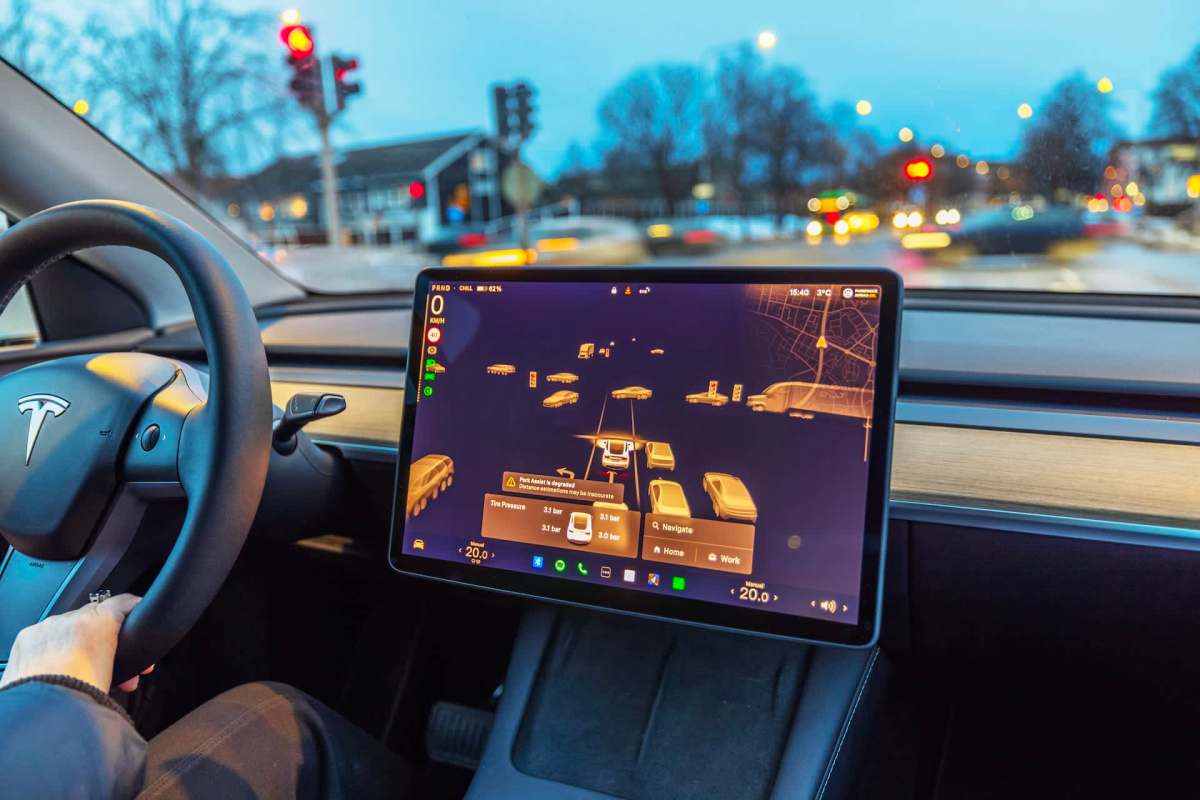
European drivers using Tesla's assistance software are getting a lower speed ceiling and a different name for the system, Electrek reported.
The system, previously called "FSD Supervised," is becoming "Tesla Assisted Driving," with its maximum selectable speed margin dropping from 50% above the detected limit to 10%.
Here's what to know
Tesla is distributing the changes through an over-the-air update.
RDW, the Netherlands' vehicle regulator, approved the changes to the system it authorized on April 10.
RDW did not identify which other speed-related functions will be switched off by default. Under the new settings, the speed margin resets to 0% each time the vehicle starts.
RDW says the rebranding covers the owner's manual, other driver materials, and the dashboard display in HW4-equipped vehicles.
TCD Picks » Quince Spotlight
💡These best-sellers from Quince deliver affordable, sustainable luxury for all




The previous setting could allow drivers to select 93 miles per hour (150 km/h) when the detected speed limit was 62 mph (100 km/h), or 28 mph (45 km/h) in a detected 19 mph (30 km/h) zone.
The update lowers those maximums to 68 mph (110 km/h) and 21 mph (33 km/h), respectively.
Responsibility remains with drivers, RDW emphasized — the renamed software is still a driver-assistance system.
More background
Tesla's pursuit of European Union-wide approval has faced resistance over speeding.
Sweden urged EU officials to require removing the option to exceed posted limits before granting approval in June, Electrek noted.
In September, a Brussels pedestrian safety group recorded speeding on 55% of the 19 mph (30 km/h) road segments in its tests. Urban speeding was also among France's grounds for not accepting the Dutch authorization.
The Brussels testing focused on low-speed streets where pedestrians encounter vehicles.
Electrek also identified speed-limit detection as an ongoing concern.
If the system misdetects a limit, even a small margin can lead to an inappropriate speed, leaving drivers responsible for monitoring both the road and the software.
What's being done?
On Oct. 6, Germany's Transport Ministry announced its backing for EU approval on the condition that Tesla rename the system and limit the speed tolerance to 10%.
Including the Netherlands, the system has recognition in 10 countries.
RDW notified the nine other countries recognizing its approval: Slovenia, Slovakia, Lithuania, Latvia, Estonia, Denmark, Czechia, Croatia, and Belgium.
The existing authorization now incorporates the update, without an amendment or extension. Before adding it, the regulator checked its implementation and found no harmful or unexpected consequences.
The vote had been pushed back to December at the earliest. The Technical Committee on Motor Vehicles will decide on bloc-wide approval.
Approval requires 15 of the EU's 27 member states to vote in favor, with those countries accounting for at least 65% of the bloc's population.
Germany's Transport Ministry called the "Full Self-Driving" name "misleading" — a concern reflected in the switch to wording that explicitly describes driver assistance.
Where can I learn more?
Tesla's lower speed cap and new name come as regulators scrutinize how its driver-assistance software behaves on public roads. These stories examine speeding in Belgium, crash avoidance, and missed highway exits.
• In Belgium, Tesla's FSD sped through low-speed zones and attempted illegal passes around cyclists.
• Tesla's new crash-avoidance feature can steer even when drivers have not activated FSD.
• A Tesla owner said FSD missed a highway exit and rerouted after waiting too long.

Get TCD's free newsletters for easy tips, smart advice, and a chance to earn $5,000 toward home upgrades. To see more stories like this one, change your Google preferences here.






