


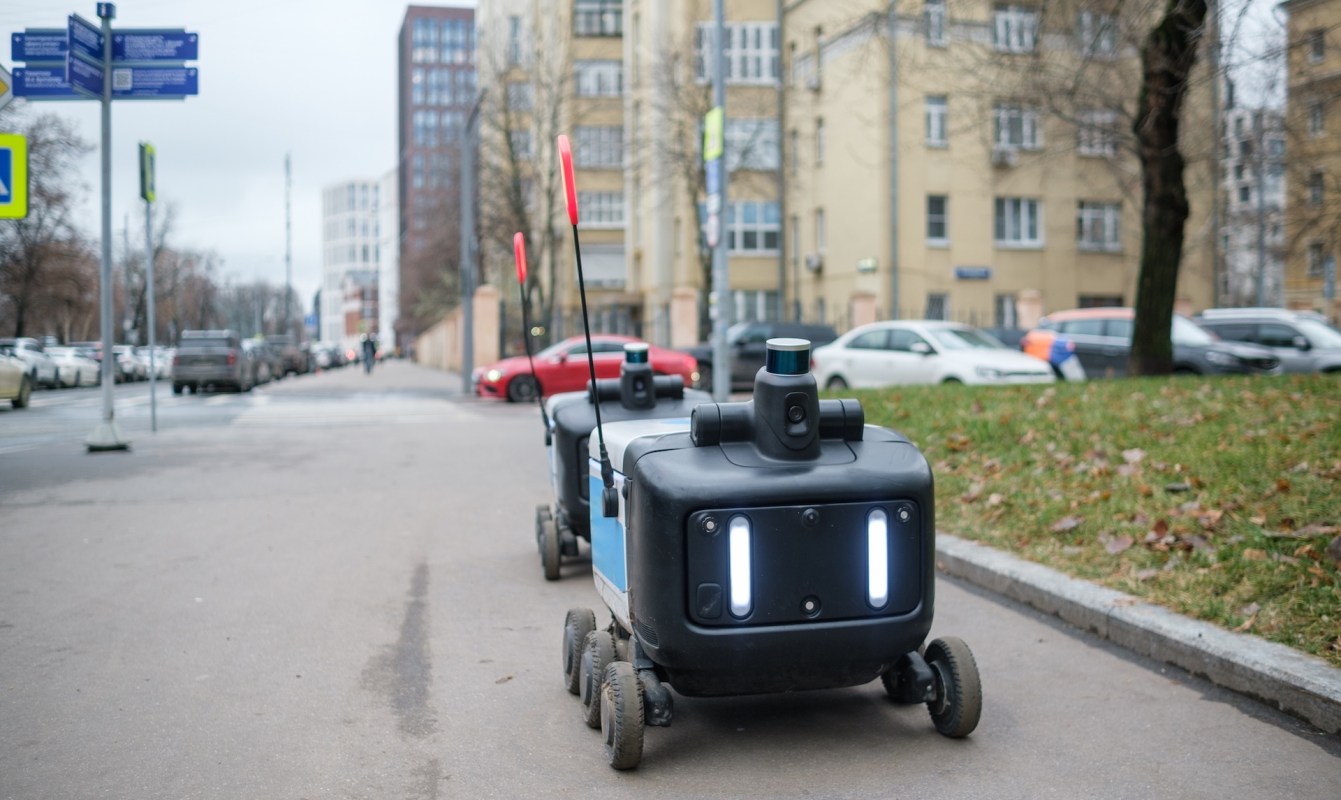
A delivery robot attempting to cross a street in Tallinn, Estonia, caused a bus driver to brake suddenly, reportedly leaving as many as nine passengers injured.
The red-light crossing may have stemmed from a malfunctioning light sensor or interference from a bright billboard, the device's developer said.
Here's what to know
The robot belonged to Bolt and was developed by Starship Technologies, according to Cronista and ERR News. The incident triggered an investigation into who was responsible.
Passengers injured after collision between bus and delivery robot in Tallinn #Estonia https://t.co/VMm672M9PP
— ERR News (@errnews) October 29, 2026
The report did not specify the severity of the passengers' injuries, though from the video, any injuries appear likely to be minor, and in an email to The Cool Down, Starship Technologies said no passengers required medical assistance. Footage from a camera aboard the bus showed the collision and the robot being pushed across the roadway.
Accounts of the aftermath differed between Starship and the city transport company. A Tallinn transport company board member, Andrei Novikov, reportedly told ERR News that the device had departed before officers arrived, while the company maintained the robot remained there for 10 minutes before moving to clear the road, leaving only after the bus resumed its route.
More background
According to Cronista, Pepe Aaviksoo, Starship Technologies' chief operating officer, said that a glowing advertisement behind the traffic signals and low visibility were among the possible obstacles to the robot recognizing the light correctly.
TCD Picks » Quince Spotlight
💡These best-sellers from Quince deliver affordable, sustainable luxury for all




Aaviksoo said the lack of approaching vehicles may have influenced the decision to cross. He also described a problem with the robot's viewing angle: The pedestrian and vehicle signals appeared aligned, making them harder to tell apart.
What's being done?
The report did not specify a repair timeline or describe any completed technical changes. Starship had identified a faulty light sensor, and correcting it was a step Aaviksoo said the company intended to take, Cronista reported.
The circumstances warranted investigation by authorities, said Andrei Novikov, a member of the city transport company's management team.
A delay and a request for assistance were part of Aaviksoo's rebuttal to the suggestion that the robot immediately fled. He said it remained at the scene for roughly 10 minutes before requesting assistance from its support team to clear it from the road.
"There are many lessons to learn, but exceptional situations do happen," Aaviksoo concluded.
Where can I learn more?
The Tallinn incident adds to safety concerns about robots and autonomous vehicles in everyday settings. These stories describe robotaxi collisions, apparent school-zone speeding, testing backlash, unexpected robot behavior, and unsafe driving during a Tesla test.
• In Texas, a Tesla robotaxi stopped for bollards before driving into them anyway.
• Videos showed Tesla robotaxis appearing to speed in school zones, triggering federal review.
• In London, robotaxi tests drew backlash from drivers concerned about machines working around the clock.
• In Russia, store clerks scrambled after a man shoved a humanoid robot that started kickboxing.
• In Belgium, Tesla's Full Self-Driving system attempted illegal cyclist passes and exceeded speed limits during testing.

Get TCD's free newsletters for easy tips, smart advice, and a chance to earn $5,000 toward home upgrades. To see more stories like this one, change your Google preferences here.






