


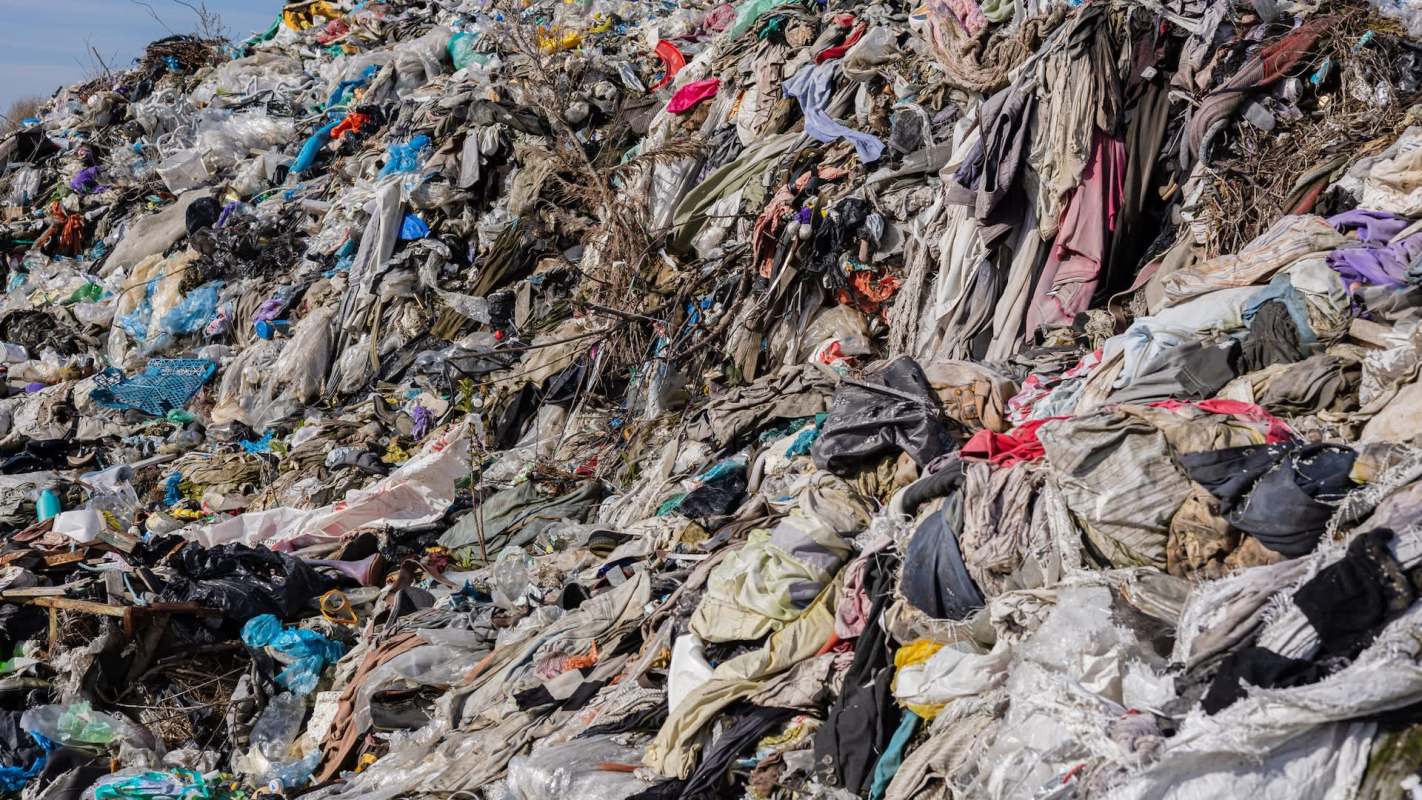
Synthetic clothes release microplastics as they break down, polluting for decades or even centuries long after they leave a wardrobe.
Here's what to know
Earth Action's global study reported that waste sites contain roughly 19 times as much plastic from synthetic garments as the amount that has already escaped into the environment.
An estimated 968,000 U.S. tons (878,000 metric tons) of microplastics from discarded synthetic garments entered the environment in 2024, FashionUnited reported.
Microplastic pollution associated with this clothing has nearly quadrupled since 2000. More than a third of the microplastics produced by discarded clothing in 2024 leaked into the environment, according to Earth Action's report, "The Microplastic Ticking Time Bomb."
The report estimated the total produced that year at 2.65 million U.S. tons (2.4 million metric tons).
FashionUnited said no previous worldwide study had examined how synthetic garments release microplastics as they break down after disposal.
TCD Picks » Quince Spotlight
💡These best-sellers from Quince deliver affordable, sustainable luxury for all




More background
The study estimated about 17.6 million U.S. tons (16 million metric tons) of microplastics from discarded synthetic garments have escaped into the environment since 1963. In all, those garments have generated an estimated 48.5 million U.S. tons (44 million metric tons) of microplastics over that period.
Earth Action estimates that almost 30% of discarded synthetic clothing is improperly managed as waste. 5% of synthetic clothing deposited to date has gone to open dumps, causing roughly 90% of microplastic leakage.
Large quantities of incoming used clothing and limited waste-management infrastructure help explain Sub-Saharan Africa's 45% share of worldwide leakage, according to Earth Action.
What can be done?
Earth Action recommended repairing and reselling garments to extend their use, buying less, and improving waste management to limit future leakage.
Julien Boucher, Earth Action's co-founder and head of research, said, "What is already in waste sites will keep breaking down for generations, and every year we add more, increasingly in countries least equipped to contain it. Without action from governments and industry now, the problem will only grow. Ending open dumping, the source of 90% of leakage, would cut pollution within a few years, while clothes made to last would shrink tomorrow's waste."
Jesse Daystar, chief sustainability officer at Cotton Incorporated, stated, "This research gives the apparel industry a fuller picture of what happens after clothes are thrown away, and that should be part of how we think about the materials we choose and how long we wear them."

Get TCD's free newsletters for easy tips, smart advice, and a chance to earn $5,000 toward home upgrades. To see more stories like this one, change your Google preferences here.






