


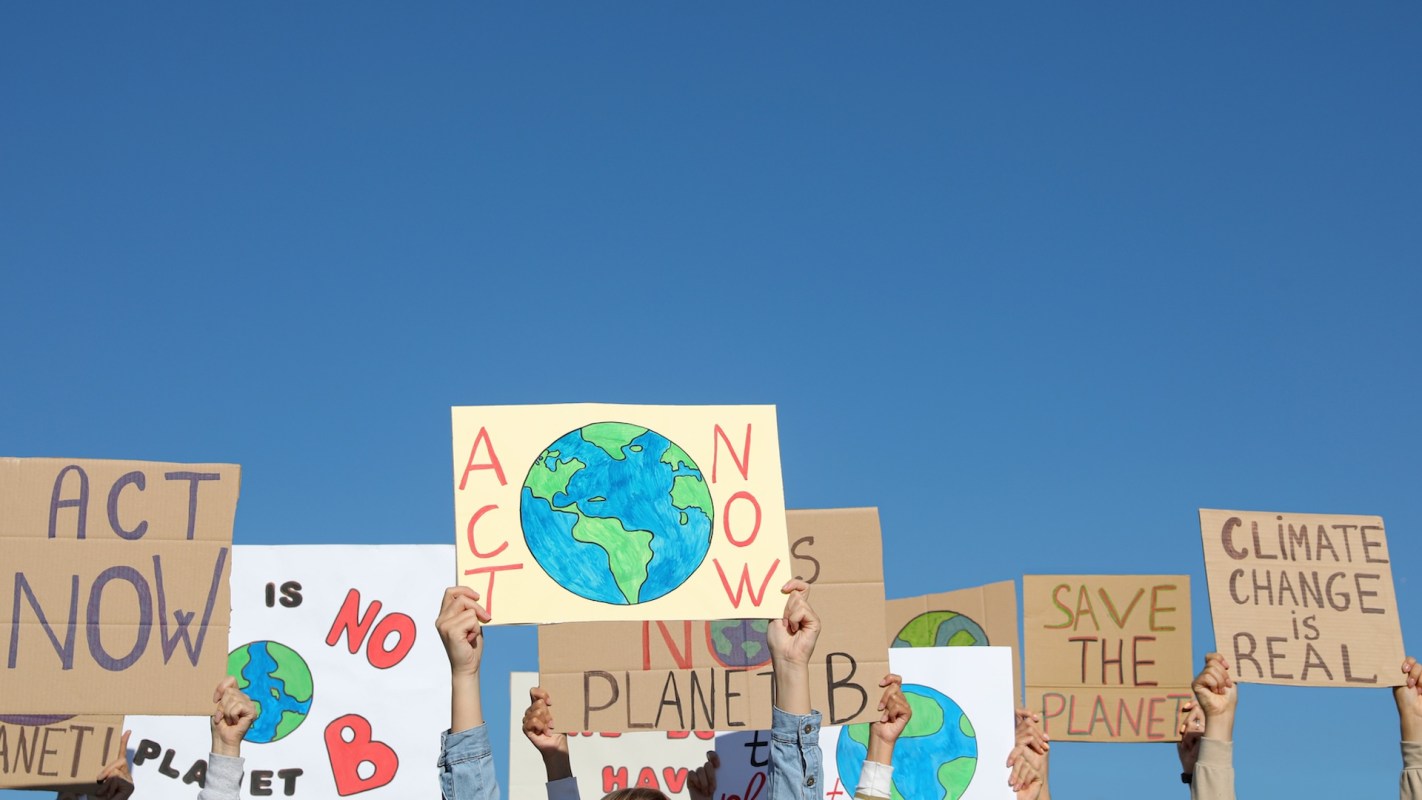
A broad international study indicates that support for climate action is already widespread, although much of the language often used to discuss it is not landing well.
Among the terms that resonated least was "net zero," which the analysis suggests is a particularly weak way to talk about climate progress, even with people who otherwise favor action.
What's happening?
Backed by the Rockefeller Foundation, the Potential Energy Coalition surveyed people in six G7 countries — Canada, France, Germany, Italy, the U.K., and the U.S. — and found strong backing for climate solutions. The study included more than 83,000 adults, as reported by Yahoo News.
The research showed that people respond much better to some messages than to others.
Support increased when climate action was described in terms of themes such as pollution, health, and protecting future generations. Messages built around bans, mandates, or "net zero," meanwhile, consistently fared worse.
Net-zero goals ranked last out of nine environmental priorities in every country included in the survey. Simpler messages about addressing climate change, protecting nature, and reducing air pollution performed far better.
TCD Picks » Quince Spotlight
💡These best-sellers from Quince deliver affordable, sustainable luxury for all




Among respondents in the United States, 88% said climate change is real and happening, 69% supported immediate government action, and 72% backed rapid action to expand clean energy. Concern has also stayed mostly steady, with 64% of Americans saying they are worried about climate change now compared with 65% in 2023.
Why does it matter?
The findings push back on a long-standing political assumption that climate is a niche concern or a low priority for voters. John Marshall, who leads Potential Energy Coalition as founder and chief executive, said that common political stereotypes do not align with the data.
Public support often shapes what leaders feel comfortable proposing and how aggressively they are willing to act. If voters are more aligned than public debate suggests, weak messaging could be one reason climate policy continues to stall.
People tend to respond more strongly when climate is tied to visible concerns such as extreme heat, dirtier air, health threats, and damage to the land and nature they value.
The analysis also found opportunities across the political spectrum. Marshall said messages centered on conservation can strongly resonate with people who hold conservative values, challenging the idea that climate concern belongs to only one side of the political aisle.
What's being done?
The report points to a better climate action framework: less jargon and more direct language about what people can see and feel in their daily lives.
Marshall said "front-door messages," including those on extreme heat, have more impact than "side-door messages" about spin-off benefits or economic growth.
Advocates, policymakers, and community leaders may be more effective if they speak in terms of cleaner air, safer neighborhoods, healthier families, and protected land and wildlife instead of relying on technical policy language.
Rockefeller Foundation senior vice president for strategic communications and policy John Gans said climate conversations should focus on showing people "there is a better path and a better life moving forward," not trying to beat them into submission.
"I would say this research is a call to arms," Marshall said. "The data says when you talk about climate, you can actually garner a significant amount of support."
Gans added: "The data in the report gives people both confidence and content to move forward."

Get TCD's free newsletters for easy tips, smart advice, and a chance to earn $5,000 toward home upgrades. To see more stories like this one, change your Google preferences here.






