


For a long time, the standard account of queen-making in honeybees centered on one ingredient: royal jelly.
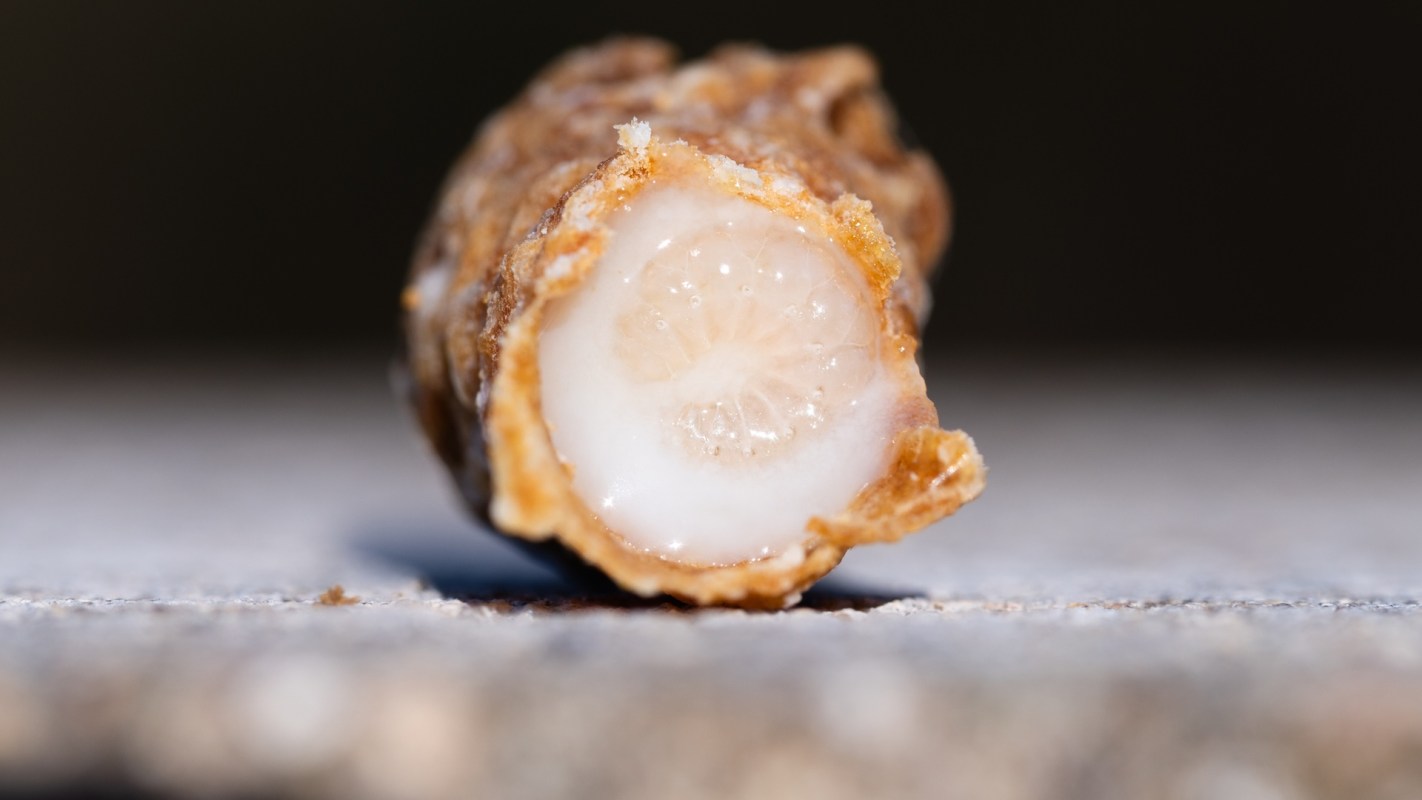
A recent study suggests that answer was incomplete. The path to becoming queen also appears to depend on a specially built wax chamber kept warm and humid.
What happened?
In research published in Nature, and reported by A-Z Animals, scientists concluded that royal jelly by itself does not fully account for how a colony produces a new queen.
Because colonies need a healthy queen to reproduce and survive, worker bees create special queen chambers from wax that maintain a warmer, more humid environment than the cells used for workers.
Future queens are not raised in the usual hexagonal worker cells. Instead, they develop in peanut-shaped "royal cribs" formed from wax that is softer and less dense, and the researchers found that larvae given royal jelly in ordinary worker-wax cells fared worse than typical queens, with many failing to survive.
"The old idea was relatively simple: take an egg, move it into a queen cell, feed it royal jelly, and you get a queen," said Boris Baer, an entomologist whose laboratory contributed to the study, per A-Z Animals.
TCD Picks » Quince Spotlight
💡These best-sellers from Quince deliver affordable, sustainable luxury for all




Researchers also described a newly identified set of workers known as "queen cell builders." By collecting and reshaping wax while keeping their bodies hotter, these bees help queen larvae develop more quickly when a colony urgently needs a replacement.
Why does it matter?
The findings reshape understanding of one of the world's most important pollinators. Honeybees help support crops, gardens, and food systems that communities rely on every day, and a better understanding of how colonies remain healthy could help researchers and beekeepers protect them.
The research points to a more complex system than the simple idea of feeding one larva a special diet. To create a queen, the colony also alters the surrounding structure, materials, and environmental conditions.
That deeper understanding could help inform future conservation efforts, especially as pollinators face habitat loss, disease, pesticide exposure, and climate-related stress.
Strong pollinator populations help support food security, biodiversity, and local economies. Learning how bees solve survival challenges on their own could also help scientists make smarter decisions about protecting the ecosystems people depend on.
What are people saying?
According to A-Z Animals, Baer said the results underline the complexity of insect societies. "This work highlights how much sophistication exists inside insect societies," Baer said in a statement. He added, "What we found is that there's an entire machinery behind this process. It's much more sophisticated than we imagined."
Baer also offered a vivid comparison: "You can think of it as something like Buckingham Palace. There is a dedicated group of bees focused entirely on raising the queen, and if they don't get it right, the colony cannot reproduce."

Get TCD's free newsletters for easy tips, smart advice, and a chance to earn $5,000 toward home upgrades. To see more stories like this one, change your Google preferences here.






