


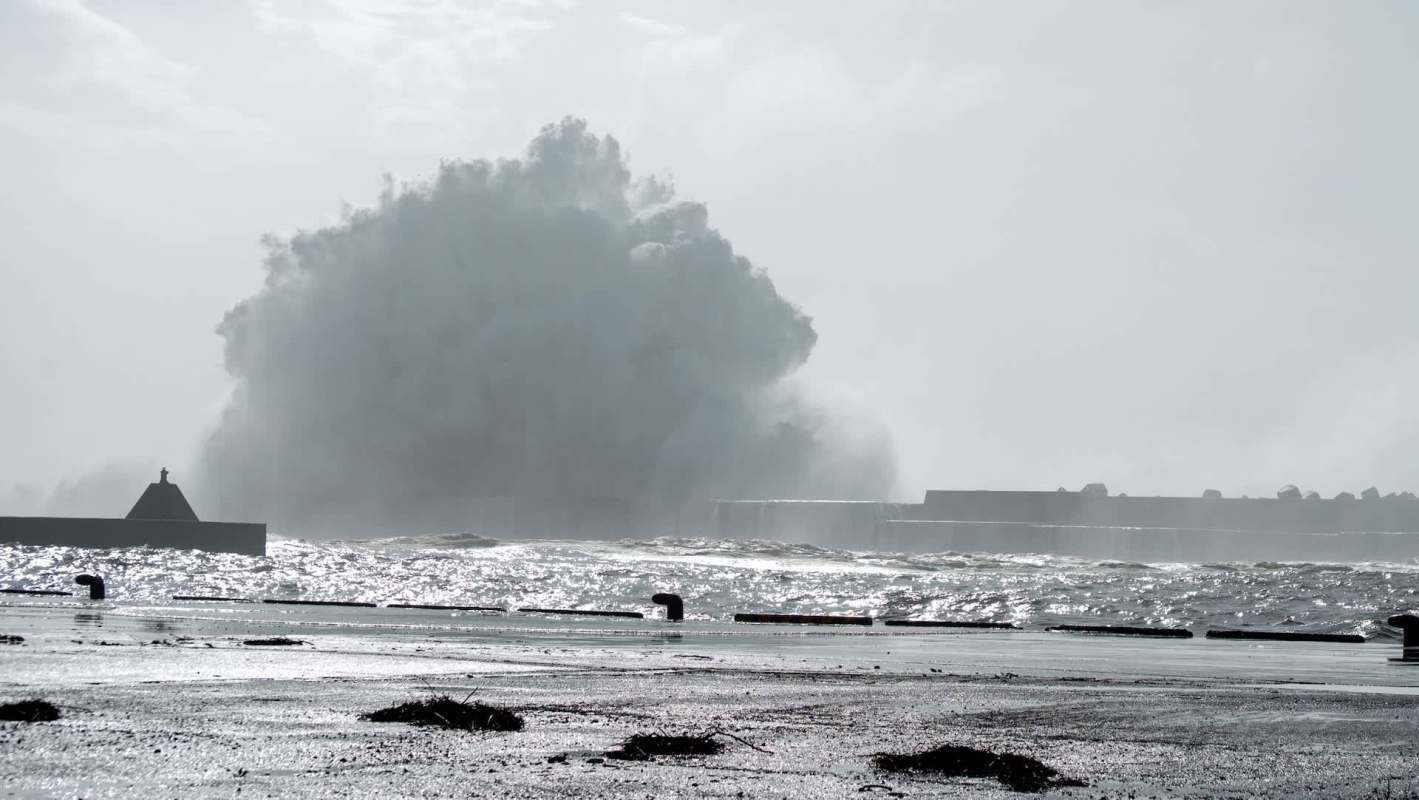
Landslides, road damage, and transportation interruptions were reported along parts of Japan's Pacific coast over the weekend after two tropical storm systems and a seasonal rain front brought heavy rain.
By late Saturday, the two storms had weakened to tropical depressions, but the weather had already left one person dead and three others injured.
What happened?
Landslides and rain spread across coastal parts of southwestern, western, and eastern Japan on Saturday. The downpours arrived as Typhoon Higos and Typhoon Mekkhal tracked along the country's Pacific coast, according to Japan Today.
In Yamaguchi Prefecture, a landslide hit a home on Friday. Local authorities said a man in his 70s was later pronounced dead after being found unresponsive and taken to a hospital. Three other people were injured.
After moving past the eastern region, both typhoons had weakened to tropical depressions by late Saturday. Even so, rail and air service had been disrupted as the systems moved through Japan.
Why does it matter?
Storms like these are dangerous not only because of strong winds but also because of the cascading impacts they can unleash. Flash flooding, landslides, damaged homes, blocked roads, canceled trains and flights, and delayed emergency response are all potential repercussions.
TCD Picks » Quince Spotlight
💡These best-sellers from Quince deliver affordable, sustainable luxury for all




As extreme weather disasters worsen, they are threatening both lives and livelihoods. Heavier rain and more destructive storms can undermine public health by increasing injury risks, straining emergency services, and contaminating water systems. They can also threaten community safety and economic stability by damaging infrastructure, shuttering businesses, and disrupting supply chains.
Japan is no stranger to typhoons, but multiple overlapping weather systems can put transportation networks and residential areas at risk. Even when storms weaken quickly, their rain bands can still have deadly consequences on the ground.
What's being done?
Road repairs, safety inspections, and the restoration of train and flight service are among the first priorities after severe storm damage.
Even with both typhoons losing strength, Japan was left dealing with collapsed homes, broken infrastructure, at least one death, and multiple injuries.
Unfortunately, the only thing people can do is wait it out until the storm passes and evacuate if necessary. However, in the long term, reducing plant-warming pollution can help to reduce the length and strength of extreme weather events.

Get TCD's free newsletters for easy tips, smart advice, and a chance to earn $5,000 toward home upgrades. To see more stories like this one, change your Google preferences here.






