


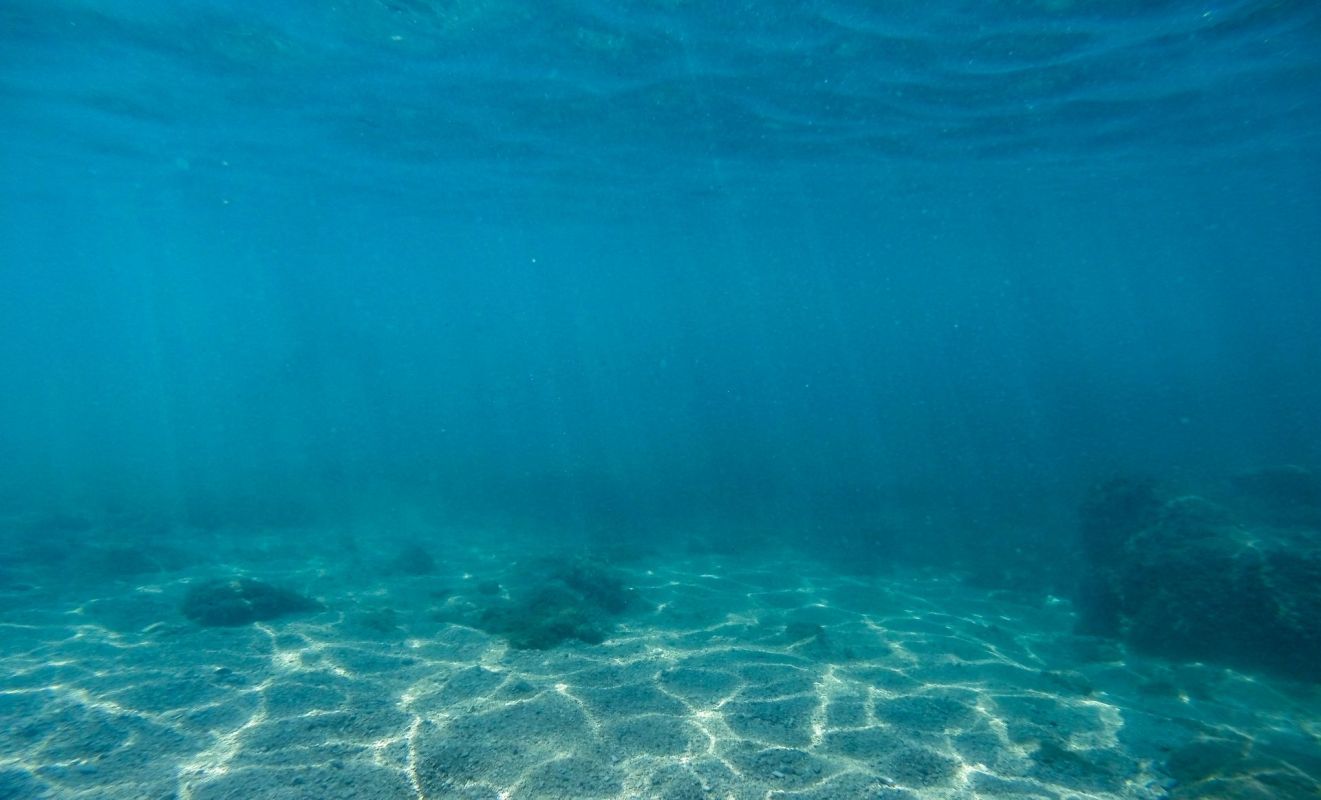
A nearly half-mile-long Stone Age wall resting on the floor of the Baltic Sea is giving archaeologists a striking glimpse of how humans hunted near the end of the last Ice Age.
Researchers say the "Blinkerwall" was built when that part of the Baltic was still dry land. In that earlier landscape, migrating reindeer would have crossed a coastal plain that no longer exists.
What happened?
A Reddit post recently drew attention to the Blinkerwall, describing it as "a stone wall more than half a mile long made up of more than 1,300 stones and roughly 300 boulders, stretching along the seafloor in the Baltic Sea."
Researchers estimate the wall is about 10,000 years old. As Smithsonian Magazine reported, the site had not yet been submerged at that time because sea levels were still far lower than they are today.
Archaeologists think the stones were part of a hunting system, not a boundary around a settlement. In their view, the structure acted as a drive line that guided migrating reindeer toward a location where hunters could more easily kill them, and it was only later that melting glaciers and rising seas drowned the old coastline and covered the wall.
Why does it matter?
The wall suggests ancient humans were capable of large-scale planning and landscape engineering long before the rise of cities, metal tools, or written language. Constructing a wall from more than 1,500 stones and boulders would have required coordination, labor, and a detailed understanding of animal movement.
TCD Picks » Quince Spotlight
💡These best-sellers from Quince deliver affordable, sustainable luxury for all




It also underscores how much of human history may now lie hidden underwater. Vast areas that were once livable hunting grounds, migration corridors, and gathering places disappeared as rising post-glacial seas redrew coastlines and reshaped ecosystems.
Discoveries like this also help researchers better understand how past climate shifts transformed landscapes, as communities today confront changing seas and vulnerable shorelines.
As one commenter on the Reddit post put it, "The amount of water that was locked up as ice was enough to lower the sea level by like 390 feet. The coastlines were way lower, there were vast coastal plains that stretched out on continental shelves."
What's being done?
The find is part of a growing body of underwater archaeology showing that some of prehistory's most significant sites may now rest offshore. Places like the Blinkerwall can help researchers build a clearer picture of migration patterns, hunting methods, and the environments early humans relied on.
The Blinkerwall suggests that entire chapters of human history may still be waiting underwater.

Get TCD's free newsletters for easy tips, smart advice, and a chance to earn $5,000 toward home upgrades. To see more stories like this one, change your Google preferences here.






