


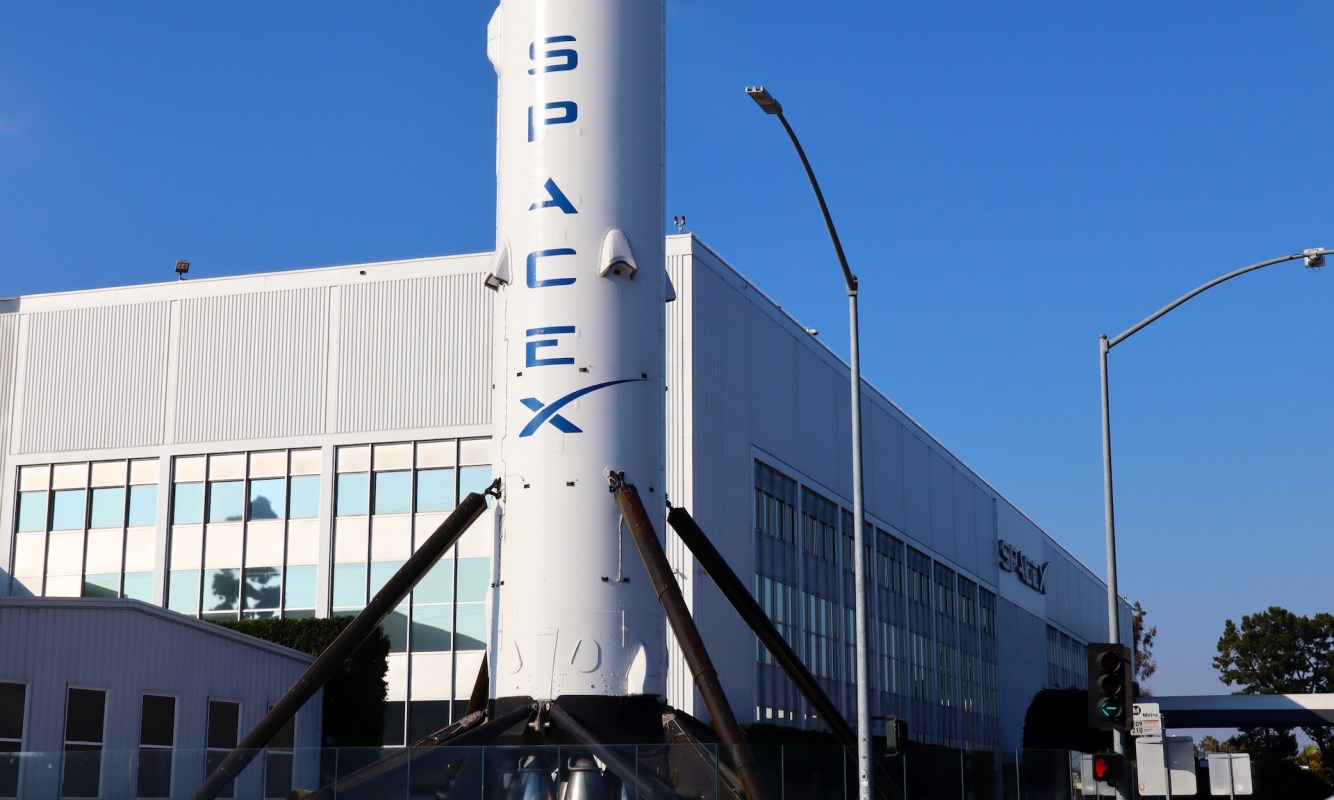
Commercial space companies are not only pitching rockets and missions. They are also promoting the idea that going farther into orbit, the Moon, and beyond could help address problems on Earth.
Critics increasingly use one term for that message: starwashing.
Here's what to know
A new analysis argues that the industry's messaging borrows from the same tactics associated with corporate greenwashing but redirects them toward space. According to The Conversation, "starwashing" describes the practice of portraying space products, policies, and goals as naturally good for humanity while minimizing their environmental consequences on Earth and in orbit.
The space economy could reach $1.8 trillion by 2035. Some of the industry's most prominent companies are already presenting their work as climate-minded or beneficial to the public.
Blue Origin says it wants to "restore and sustain Earth." Its founder, Jeff Bezos, who also founded Amazon, has promoted the idea of moving industry off Earth. The company has also said its New Shepard rocket is "for the benefit of Earth," even though water vapor from rocket exhaust can still intensify atmospheric warming.
Comparable messaging surrounds moon mining, orbital data centers, and satellite constellations. Although those projects are often sold as bold and innovative, they could also mean more launches, more pollution, and more orbital debris.
TCD Picks » Quince Spotlight
💡These best-sellers from Quince deliver affordable, sustainable luxury for all




More background
Back on Earth, these plans are connected to dirtier air, pressure on water and energy supplies, harm to ecosystems, and public money being directed into private ventures.
Elon Musk, founder of SpaceX, has promoted futuristic ideas like orbital data centers to support the growth of artificial intelligence, even as his companies keep expanding resource-intensive data centers on Earth. In February 2026, Musk said those facilities create "hardship on communities and the environment."
The environmental effects are not limited to what happens in space. Additional launches can put more strain on land near coastal launch sites and nearby ocean waters, satellite burn-up can damage the ozone layer, and large data centers can increase local emissions while competing for electricity and water.
Critics also say spectacle is central to starwashing. In 2021, Inspiration4 became the first all-civilian flight to orbit through a partnership between SpaceX and businessman Jared Isaacman, now the NASA administrator. Then, on April 14, 2025, Blue Origin took an all-female crew that included pop star Katy Perry on a four-minute trip to suborbital space, according to The Conversation. Critics say events like those can draw attention away from the environmental damage behind them.
What can be done?
Critics say if a rocket, satellite network, or lunar mining project is supposed to benefit everyone, companies should have to provide transparent accounting for emissions, land use, debris risks, and impacts on communities.
They also argue for tougher oversight before new launch facilities, satellite fleets, or data-center projects move forward, especially when taxpayer-backed contracts are part of the picture. Companies seeking public support should be required to show a clear public benefit.
The comparison mirrors a familiar corporate pattern. The TCD Guide's page on greenwashing explains how companies rely on feel-good claims to hide harmful practices.
The bigger question is whether expanding into space will actually serve the public or mostly reward companies that market wonder while shifting the costs onto others.

Get TCD's free newsletters for easy tips, smart advice, and a chance to earn $5,000 toward home upgrades. To see more stories like this one, change your Google preferences here.






