


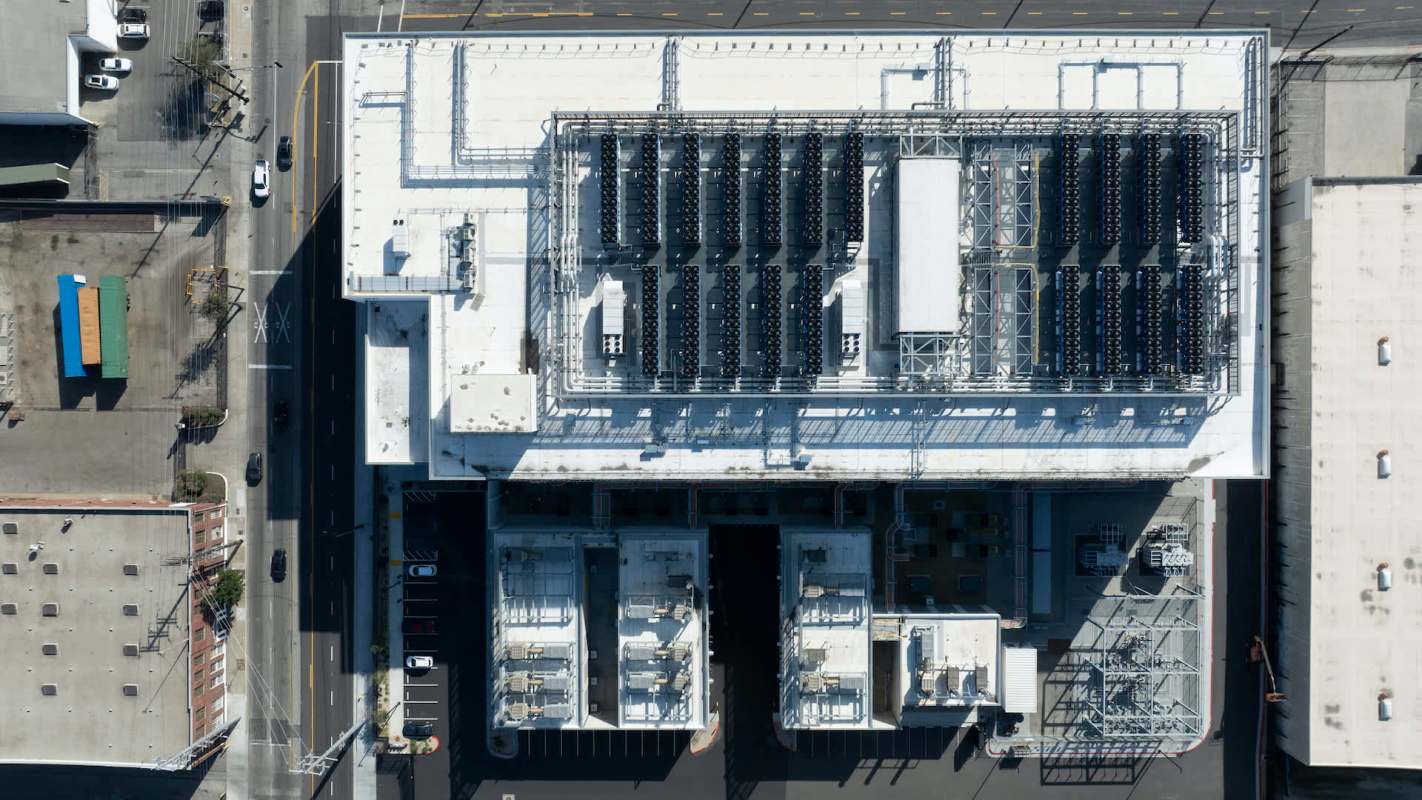
St. Petersburg is taking a firm stand on one of Florida's fastest-growing and most resource-intensive industries: standalone data centers are already barred under the city's zoning code.
That determination could matter far beyond one project site, as Pinellas County communities weigh how AI-related facilities could affect electricity demand, water use, and scarce local land.
Here's what to know
In an Oct. 9 memo to Mayor Ken Welch, Planning Director Derek Kilborn said the city's existing land development code does not allow standalone data centers, including large facilities associated with artificial intelligence.
According to the St. Pete Catalyst, the city's zoning matrix does not identify data centers as an approved use, and St. Petersburg's code generally treats unlisted uses as prohibited.
Kilborn also considered whether data centers might fit under an already permitted category such as utility infrastructure, but concluded that comparison was not adequately supported.
Rather than creating a new restriction, the memo describes the city's position as an interpretation of the code already on the books. Under that reading, the city cannot approve standalone data centers either as principal uses or through the special-exception process.
TCD Picks » Quince Spotlight
💡These best-sellers from Quince deliver affordable, sustainable luxury for all




That interpretation covers standalone facilities regardless of whether they fall under Florida's new definition of a "large-scale" data center, which Senate Bill 484 sets at a monthly peak electrical demand of 50 megawatts or more at a single site.
More background
The memo arrives as Pinellas County governments look for ways to respond before data center growth accelerates.
Such projects can draw heavily on electric systems, water supplies, and land that could otherwise be developed for other uses.
One way local leaders can respond is by keeping hyperscale power demand off the local grid, helping limit the rate and capacity pressures residents could face when very large new customers enter a utility territory like Duke Energy Florida's.
State law has also added pressure. Gov. Ron DeSantis signed Senate Bill 484 in May, and it took effect July 1. The law recognizes the infrastructure and environmental burdens that can come with major utility users such as data centers, while still leaving land-use authority with local governments.
The St. Petersburg memo did not indicate whether the city has received any data center proposals. It also did not say whether officials intend to amend the zoning code.
What's being done?
St. Petersburg's position fits a broader pattern emerging across Pinellas County, though the city has taken a different path than some nearby governments.
Instead of changing the code, officials relied on Kilborn's memo to say existing regulations already prohibit standalone data centers.
Other jurisdictions in the county have acted more directly. Pinellas Park adopted a one-year moratorium on data center development in August, and county commissioners approved a September measure restricting large standalone facilities in unincorporated areas.
Taken together, those moves show a region-wide push to address data center expansion before it significantly alters local infrastructure planning.
Acting early can preserve room for housing, neighborhood planning, and other public priorities as concerns grow over utility pressure, water use, and land competition.
Kilborn said in the memo, "For these reasons, Data Centers generally, and Large-Scale Data Centers explicitly, remain prohibited as a permitted, principal (P) or Special Exception (SE) use in the City of St. Petersburg."

Get TCD's free newsletters for easy tips, smart advice, and a chance to earn $5,000 toward home upgrades. To see more stories like this one, change your Google preferences here.






