


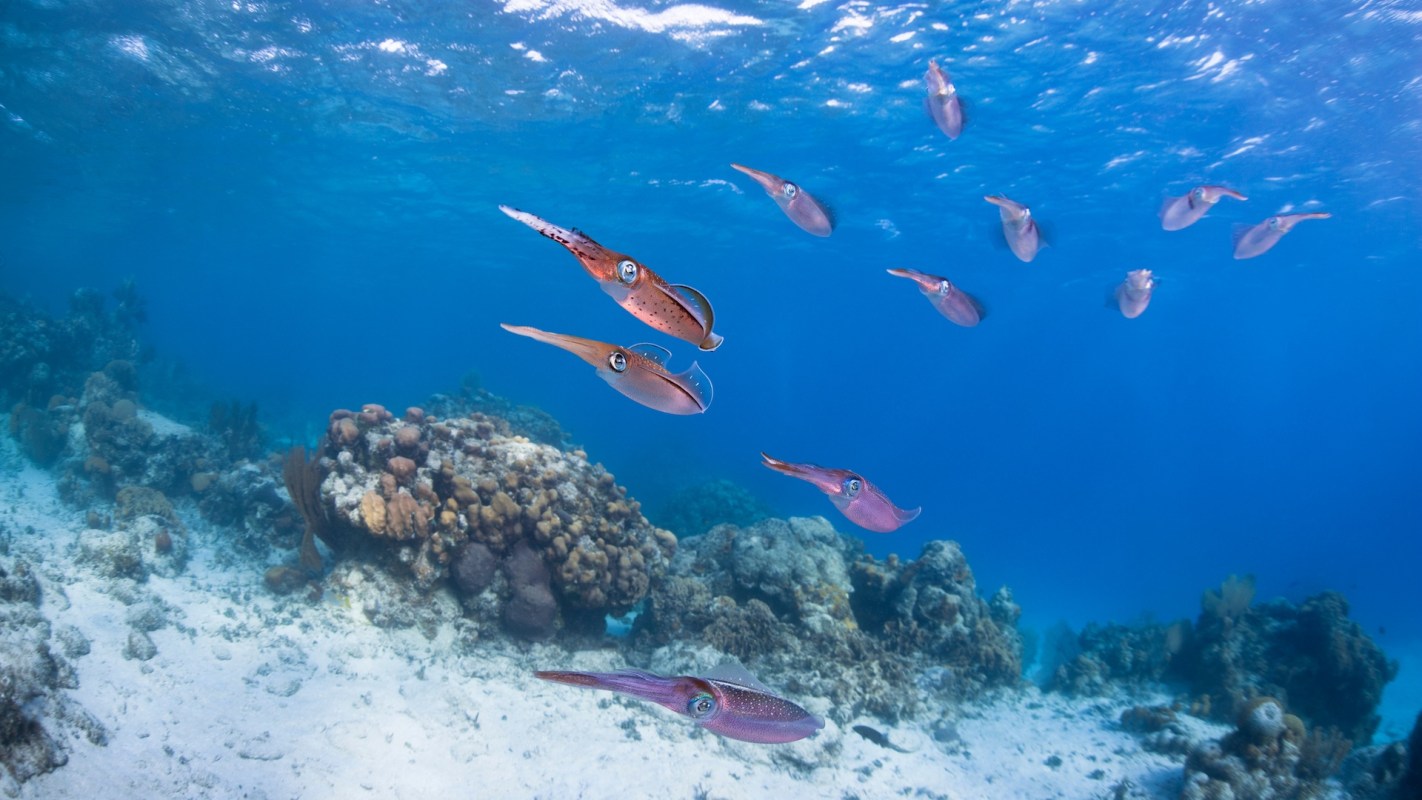
Squid populations have been increasing worldwide for years, despite mounting stressors on ocean ecosystems.
A new viral video now argues that heat alone does not explain it. A bigger factor may be overfishing and how it has rearranged marine food webs.
Here's what to know
In a September 14 TikTok video, one nature educator (@krystalmtoney) summarized research indicating that squid may be benefiting more from predator loss and disrupted food webs than from warmer oceans alone.
@krystalmtoney Squid are booming across the ocean—and scientists say warming water may NOT be the reason. 👀 New research suggests these tentacled opportunists could be thriving because overfishing removed predators and disturbed entire food webs. But can squid really take over or will hotter seas eventually stop them? Dive into the strange science behind the squid boom! 🦑🌊 #NatureIsLit #Squid #OceanScience #Learnontiktokcontest ♬ original sound - Dr. Black In Nature 🔥
As Dr. Toney explained, "So we overfished the oceans, cranked up the temperature, and apparently handed over the keys to eight-armed cannibalistic chaos noodles… Squid populations have been booming."
Toney then asked, "Are squid really taking over the ocean or are they just simply thriving at the crime scene?"
Support for that idea partly comes from a 2016 analysis spanning six decades. It reported global population increases in cephalopods such as squid, octopus, and cuttlefish, and found the pattern in both heavily fished waters and places without that human pressure.
TCD Picks » Quince Spotlight
💡These best-sellers from Quince deliver affordable, sustainable luxury for all




That idea fits with the possibility that declines in large predatory fish left squid with fewer predators and more room to multiply.
Still, the video noted that a newer modeling study, which Toney added "hasn't been peer reviewed yet," did not show squid taking over the role of the overfished predators.
In its simulations, removing large predatory fish led to only a modest increase in squid, while the broader marine ecosystem stayed destabilized. As Toney put it, "It was as if the squid got a promotion, but the company was still collapsing."
More background
Part of the reason squid can capitalize on upheaval is their life cycle. In the video, Toney explained they grow quickly, often live only one to two years, and can reproduce fast when fishing pressures, marine heatwaves, or other disruptions create new openings.
Even so, the video did not present climate change as irrelevant to squid populations. The referenced model predicted lower squid biomass in warmer waters, partly because higher temperatures can raise their metabolism. If food supplies do not increase too, as Toney explained, "that squid is basically doing cardio in a pantry with no groceries."
Where can I learn more?
Squid are just one piece of a much bigger ocean story. Warming, overfishing, and other human pressures can reshape everything from fish behavior and coral resilience to hatchery survival and even the fate of whale sharks.
• In the Baltic Sea, warmer waters are altering fish behavior in puzzling, risky ways.
• Warm-water reefs could see profound reductions in resilience as climate change accelerates local extinctions.
• Human activity is making whale shark survival harder even for the ocean's largest fish.
These stories show how quickly marine ecosystems can shift under human pressure, from fragile hatcheries to massive animals in the open ocean.

Get TCD's free newsletters for easy tips, smart advice, and a chance to earn $5,000 toward home upgrades. To see more stories like this one, change your Google preferences here.






