


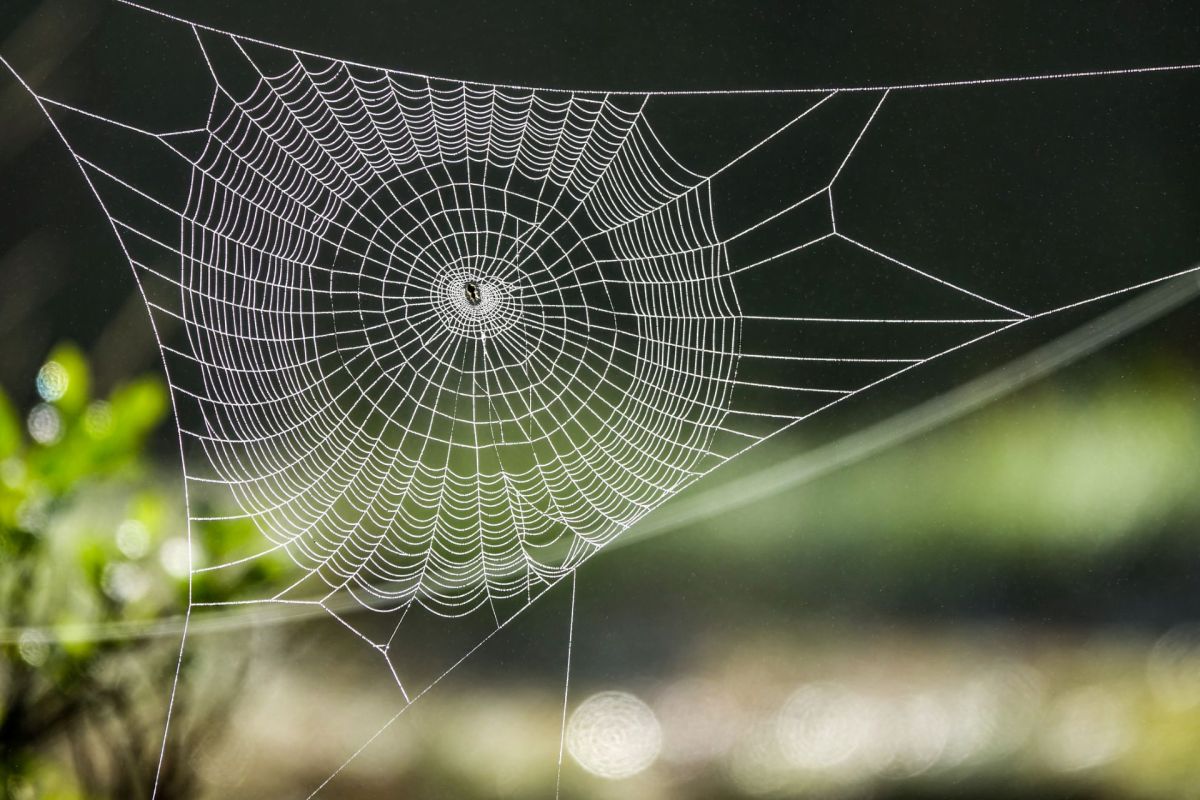
Thanks to superheroes like Spider-Man, comic-book science has given spider silk an almost mythical reputation. But just how strong is real-life spider silk?
A content creator decided to test the familiar claim that spider silk is "stronger than steel" by putting it to a real-world test.
In the end, it turned out that whether spider silk is stronger than steel depends on what, exactly, you are measuring.
What's happening?
In a video posted to YouTube, the content creator seeks to separate the well-known science truism from the material science behind it. Spider silk does possess extraordinary properties, but the phrase "stronger than steel" can be misleading.
In engineering, "strength" usually refers to how much stress a material can withstand before it breaks. By that measure, spider silk can rival some steels, especially when materials are compared by weight rather than by equal-size strands. However, steel is denser, stiffer, and often stronger in absolute terms.
Still, spider silk is known not only for its strength, but also for its toughness, which is the ability to absorb energy by stretching significantly before snapping. This toughness helps webs survive impacts from flying insects and changing outdoor conditions.
TCD Picks » Quince Spotlight
💡These best-sellers from Quince deliver affordable, sustainable luxury for all




This characteristic does not, though, mean a person could use a normal web like a comic-book lifeline. The video argues that practical limits — such as how webs are built, what they are attached to, and how little silk spiders can produce at once — make that scenario unrealistic even if the underlying material itself is impressive.
Why does it matter?
Spider silk is one of the clearest examples of how nature can inspire better materials for human use.
Many of the materials modern life depends on, including metals and synthetic fibers, can require enormous amounts of energy to produce. Steel remains indispensable, but its production is also a major source of heat-trapping pollution. A material that offers high performance at a lower weight, and with potentially lower-impact manufacturing, could carry major implications.
Spider silk also shows that determining the "best" material depends on the job. A bridge cable, protective fabric, surgical material, and climbing line all require different traits. Sometimes stiffness matters most. In other cases, flexibility and energy absorption are the real advantages.
Flashy science claims often flatten complicated tradeoffs. The truth usually is not that one solution can solve all problems. Rather, understanding how different materials perform under different conditions can open the door to smarter design.
What's being done?
Researchers have spent years trying to mimic spider silk without farming spiders, which do not scale well because they are territorial and cannibalistic. Instead, scientists are exploring biomimicry: copying spider silk's protein structure and spinning process in labs and factories.
That work includes efforts to produce silk-like proteins using engineered microbes, plants, and other systems, then turning those proteins into fibers with useful mechanical properties. The goal is not necessarily to create a literal web-slinging line, but to develop lighter, tougher, and more adaptable materials for medicine, textiles, and engineering.
This is not to say that spider-silk products are about to take over store shelves. Materials innovation often begins with a clear understanding of tradeoffs instead of chasing a catchy headline.
Learning more about spider silk serves as an important reminder that sometimes the most promising low-waste, high-performance ideas come from studying how nature solves problems with minimal energy and elegant design.

Get TCD's free newsletters for easy tips, smart advice, and a chance to earn $5,000 toward home upgrades. To see more stories like this one, change your Google preferences here.






