


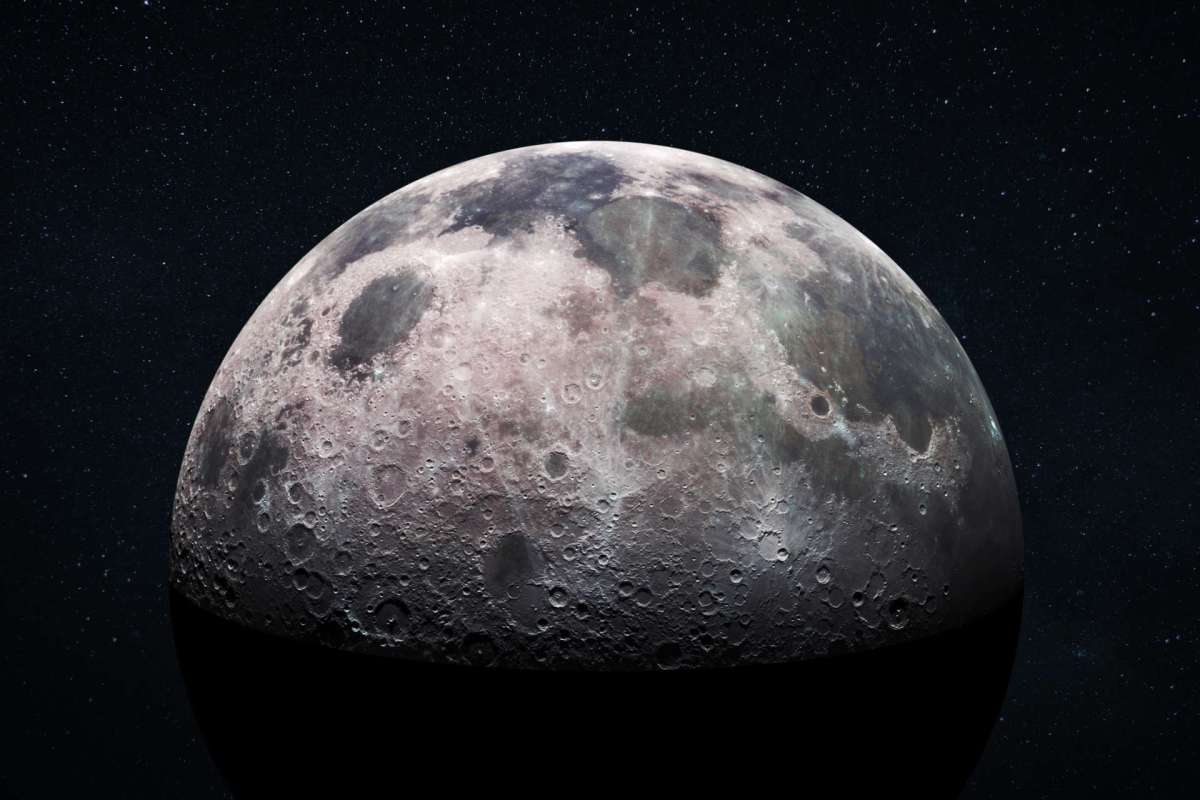
A spent SpaceX rocket stage left a fresh scar on the moon when it slammed into the lunar surface on Aug. 5, and NASA images taken on Aug. 11 and 12 showed exactly where it struck.
The newly photographed crater was a stark reminder that when space missions do not go as planned, the debris they leave behind does not simply vanish, according to Scientific American.
Here's what to know
The impact left a crater about 60 feet across and less than 10 feet deep.
NASA's Lunar Reconnaissance Orbiter identified it after a SpaceX Falcon 9 upper stage struck the lunar surface on Aug. 5 at roughly 5,400 miles per hour, with the orbiter taking the images from about 60 miles above the Moon.
In photos taken on Aug. 11 and 12, bright rays spread out from the crater's rim.
Scientific American reported that the streaks were likely debris from beneath the lunar surface, thrown upward by the collision.
TCD Picks » Quince Spotlight
💡These best-sellers from Quince deliver affordable, sustainable luxury for all




NASA was not the only observer to register the event.
The European Southern Observatory said its Very Large Telescope detected sodium and lithium in the ejecta cloud, and a South Korean lunar orbiter also spotted the crater.
The moon is no stranger to impacts, but this one stands out because it was caused by human-made hardware that was never meant to end up there.
More background
This 4.4-ton (4-metric-ton) Falcon 9 upper stage had launched two lunar landers in January 2025.
It was supposed to reenter Earth's atmosphere and burn up after the mission, but that never happened.
Instead of falling back to Earth, the spent stage remained in an orbit that extended to roughly the moon's distance, eventually sending it into the lunar surface.
Amateur astronomer Bill Gray first spotted the rocket fragment in September 2025, and observers continued tracking it as the crash drew closer.
Failures in end-of-mission planning can create lasting messes beyond Earth, adding to the growing burden of space junk that scientists and public agencies already have to track.
Modern society relies on spacecraft for navigation, communications, weather forecasting, and scientific research.
Poorly managed debris can increase risks and costs across the space industry.
What's being done?
NASA's Lunar Reconnaissance Orbiter documented the crater, while European and South Korean instruments helped confirm both the impact and its aftermath.
That kind of international monitoring gives scientists a better understanding of how human-made debris behaves beyond Earth's orbit.
NASA's Center for Near Earth Object Studies tracks asteroids and other nearby space rocks, while the U.S. Space Surveillance Network keeps watch on errant spacecraft and some debris.
Monitoring space junk remains challenging, especially when fragments are too small to track reliably. Preventing debris is far more practical than trying to clean it up later.
Space companies and mission planners need stronger safeguards for disposal so that rocket stages do not become hazards after launch.
As private activity in space continues to accelerate, preventing avoidable debris must be treated as a basic responsibility rather than an afterthought.

Get TCD's free newsletters for easy tips, smart advice, and a chance to earn $5,000 toward home upgrades. To see more stories like this one, change your Google preferences here.






