


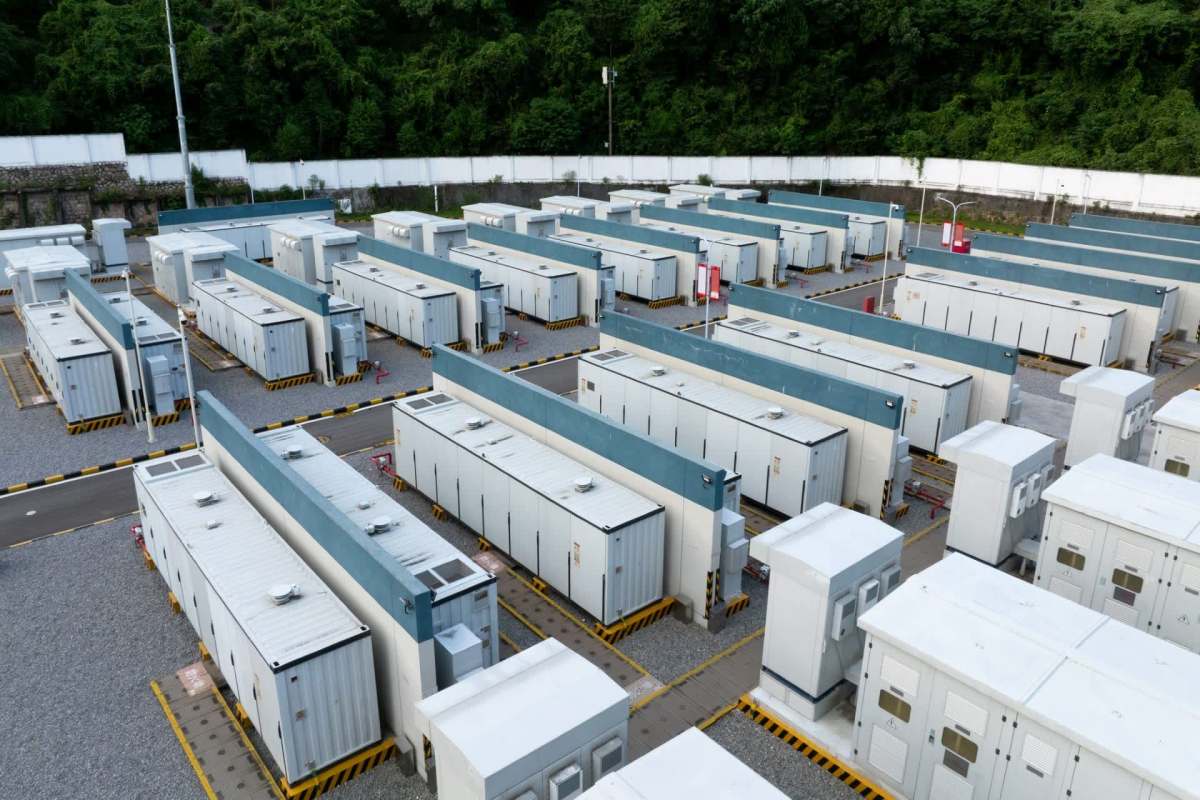
Southwick, a western Massachusetts town, is putting together a unified local review system for smaller solar, wind, and battery projects.
Here's what to know
The draft covers battery storage projects under 100 megawatt-hours as well as solar and wind developments smaller than 25 megawatts, according to MassLive. Towns across Massachusetts have until October 1 to establish a permitting route for clean energy projects in those size ranges.
Speaking to the Select Board, Board of Health Vice Chair Patricia Labieniec described the proposal, saying, "It's concise. I don't think it's overwhelming. I think it's right to the point."
She said the state's requirements would limit the full review timeline to 12 months. The plan would keep Southwick's current review bodies involved but spread duties across several boards and commissions, according to MassLive.
Select Board Chair Douglas Moglin said, "Our existing processes still work. They just have to run in parallel. So, you kind of need a bit of a roundtable to be able to coordinate things that don't normally run in parallel, i.e., you're going to have conservation and planning, for example, [having] to work a lot closer than they have in the past on certain things."
For homeowners, going solar is one of the best ways to save money on home energy. If you're considering rooftop panels, trying EnergySage can help you get free solar installation estimates and compare quotes.
More background
Labieniec said the Board of Health viewed it through a healthcare lens, where a patient may be treated by several specialists who don't always communicate closely with one another. Using the phrase "fragmented care," she said the town wants to prevent that kind of breakdown when several departments are reviewing the same project.
Select Board member Russ Anderson said the coordination effort should work more like a shared construction schedule. "You have a chart that everyone is following. Everyone's checking in with each other because one department relates it to the other," he said.
Save $10,000 on solar panels without even sharing your phone number Want to go solar but not sure who to trust? EnergySage has your back with free and transparent quotes from fully vetted providers that can help you save as much as $10k on installation. To get started, just answer a few questions about your home — no phone number required. Within a day or two, EnergySage will email you the best local options for your needs, and their expert advisers can help you compare quotes and pick a winner. |

What can be done?
For Southwick, the next step is turning that draft framework into a working local process that keeps departments aligned while meeting the state deadline. The Select Board will include the draft as an agenda item at its next meeting.
For homeowners interested in their own clean energy upgrades, EnergySage's solar map shows the average cost of a home solar panel system on a state-by-state level, along with details on solar panel incentives in each state. Together, those tools can help homeowners get the best price for rooftop solar panels and access available incentives.
Adding battery storage to a solar setup is one of the best ways to protect your home during outages, save money on energy, and go off-grid. Homeowners who want to compare their options can explore EnergySage for information about home battery storage systems, including competitive installation estimates.
Where can I learn more?
Here are a few stories on new permitting rules, fast-tracked approvals, and major renewable energy project decisions.
More From EnergySage
💡Go deep on the latest news and trends shaping the residential solar landscape

• In Minnesota, lawmakers reformed the state's energy permitting process to cut clean-energy construction delays.
• In Connecticut and Virginia, advocates helped speed home solar permits to lower costs for residents.
• Federal officials moved to fast-track approvals for energy exploration on public lands for geothermal projects.
• In Massachusetts, regulators approved a battery site near seniors' homes with 100 conditions.
• In Wisconsin, officials approved a massive energy project expected to power 200,000 homes.

Get TCD's free newsletters for easy tips, smart advice, and a chance to earn $5,000 toward home upgrades. To see more stories like this one, change your Google preferences here.






