


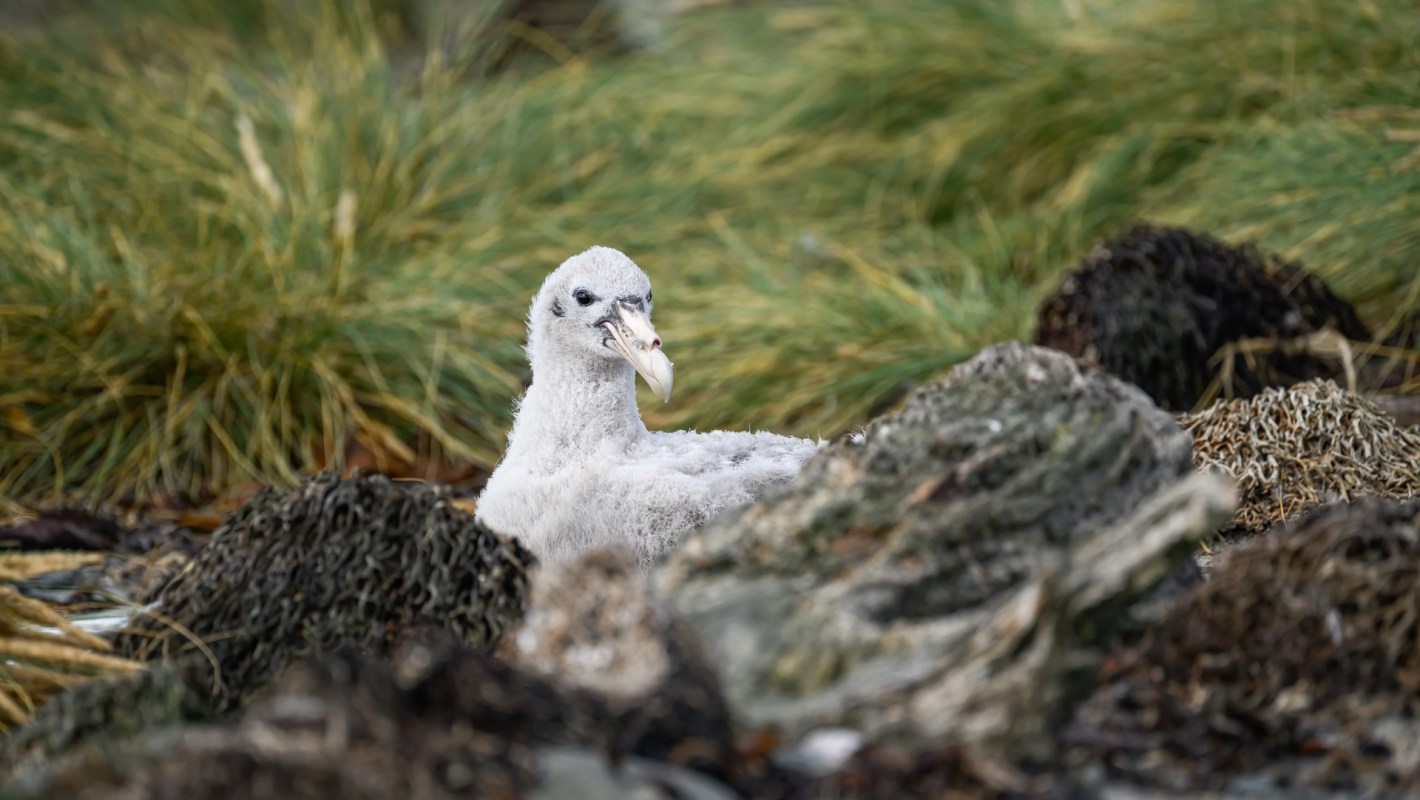
Plastic pollution is doing more than piling up in remote ocean waters. New research suggests it may be changing the bodies of southern giant petrel chicks before they are fully grown.
Here's what to know
According to Phys.org, research from UC Davis and Argentina's National Research Council, or CONICET, found that very small amounts of plastic can affect developing southern giant petrels.
When adult southern giant petrels bring food back from the ocean, they can unknowingly pass along bits of plastic through regurgitation. The study found that even these small exposures can alter chick physiology.
Despite not being considered a species of major global conservation concern, southern giant petrels are useful for tracking how plastic pollution affects wildlife. Their feeding behavior puts them at the ocean's surface, where floating debris and plastic are more likely to collect.
More background
Seabirds can act as early warnings of broader marine stress. If plastic is disrupting chick development in a hardy, wide-ranging species, it raises concerns about what similar pollution could be doing to other animals throughout ocean food webs.
Beyond wildlife biology, coastal communities depend on healthy marine ecosystems for food, jobs, tourism, and natural storm protection.
TCD Picks » Quince Spotlight
💡These best-sellers from Quince deliver affordable, sustainable luxury for all




The study also underscores how pervasive plastic contamination has become. Even in waters connected to Antarctica and other relatively remote regions, floating waste is still ending up in the diets of wild animals.
What's being done?
Studies like this help strengthen the scientific case for action on plastic pollution, especially policies aimed at reducing waste before it reaches the ocean.
Scientists also rely on sentinel species, such as southern giant petrels, to track environmental change over time. Monitoring these birds can help officials and conservation groups spot trends earlier and better understand where intervention is most urgently needed.
On a broader scale, solutions include cutting single-use plastic, improving waste collection and recycling systems, and stopping marine litter at rivers, ports, and coastlines before it drifts offshore.
Individual steps include choosing reusable products, reducing unnecessary packaging, and supporting local and national efforts to curb plastic waste and reduce the flow of trash into waterways.

Get TCD's free newsletters for easy tips, smart advice, and a chance to earn $5,000 toward home upgrades. To see more stories like this one, change your Google preferences here.






