


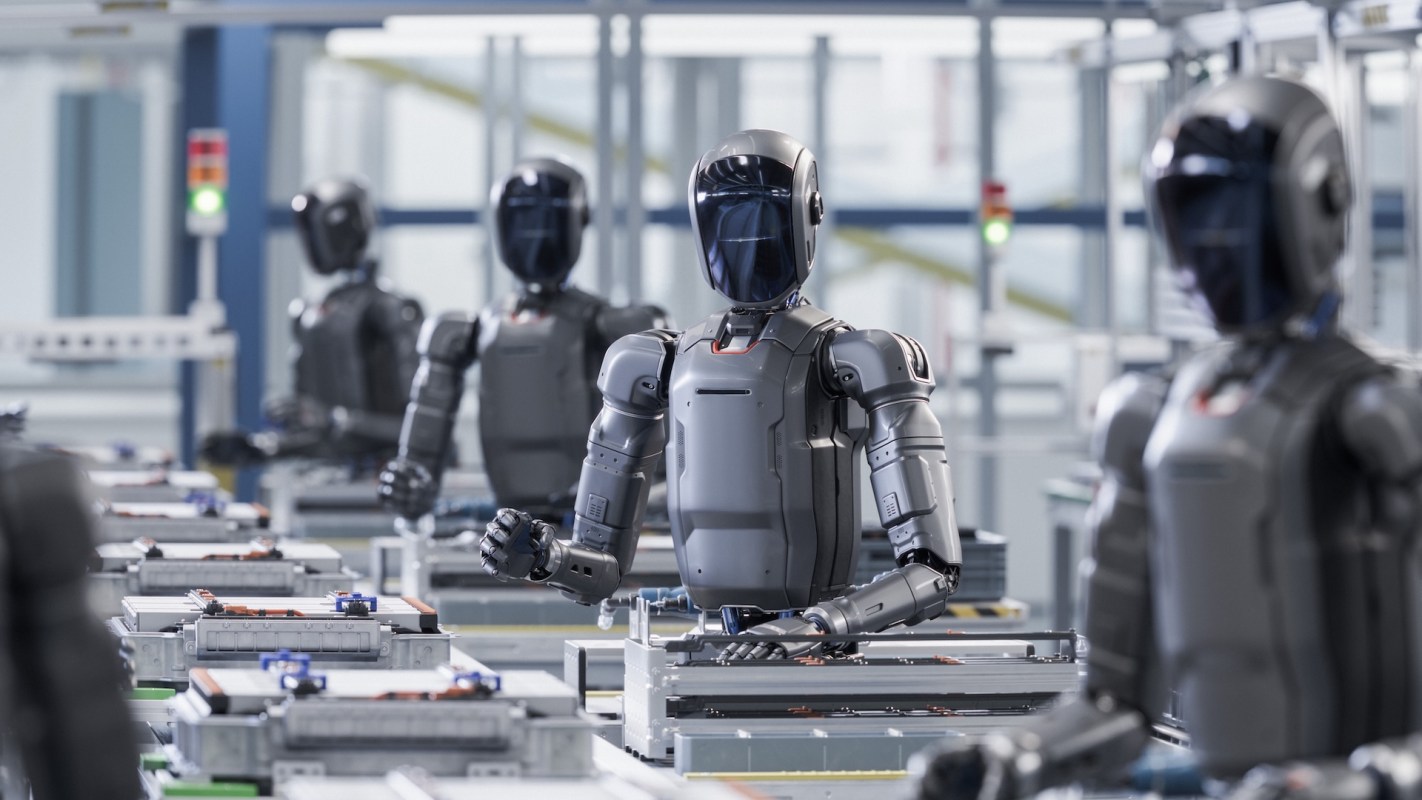
Chinese humanoid robot manufacturers are seeking factory and cafe work in South Korea, expanding their ambitions beyond dance routines and showroom displays.
Here's what to know
Four Chinese companies — UBTech Robotics, AgiBot, Unitree Robotics, and Anyverse Dynamics — are pursuing the South Korean market, according to The Gadgeteer. A domestic supplier that can produce humanoids at scale is missing, despite the country's capacity to invest in automation.
Shenzhen-based UBTech, which is listed in Hong Kong, began selling robots to South Korean buyers in 2019. The company said its sales there have exceeded 10,000 units, with dozens of businesses and public agencies buying them.
On-site operational assessments in South Korea cover several UBTech models. The company's industrial efforts include tests of humanoids at a Korean plant making automotive components, in collaboration with Duksan JM Robotics, its local partner, and Ajin Industrial, a parts manufacturer.
UBTech's latest South Korean offering, the U1, is a lifelike humanoid that stands 5 feet 6 inches tall and costs about $25,000, The Gadgeteer reported.
More background
South Korea's established factories offer settings for testing robots on production tasks. For manufacturers and service businesses, the country's shrinking workforce provides another reason to explore automation.
TCD Picks » Quince Spotlight
💡These best-sellers from Quince deliver affordable, sustainable luxury for all




According to Chinese customs data, South Korea was China's third-biggest destination for intelligent bionic robot exports during January through September 2026. Shipments to the country totaled $20 million, representing a 9.7% share of the $207 million China exported globally in that category, according to The Gadgeteer.
During that period, China sent 16,559 such robots abroad, reaching 108 countries and regions. Those figures encompass robot dogs as well as humanoids.
What's being done?
Beijing startup Anyverse Dynamics is turning its attention to everyday hospitality work through a partnership with Korean coffee chain Hollys.
The robots' test duties include straightening seating, tidying tables, and delivering drinks.
The company is beginning its cafe tests in Beijing, with cafe trials in Korea scheduled for the fourth quarter and manufacturing work intended to follow. Founder Zhang Yufeng previously worked at Hyundai Motor and SK Telecom.
UBTech changed its communication modules and radio-frequency settings to comply with South Korean rules. The equipment adaptations addressed the country's KC certification requirements.
Seoul's Galaxy Robot Park agreed to purchase a U1 following the robot's unveiling in Shenzhen and received the humanoid in September.
Where can I learn more?
The factory and cafe trials in South Korea are part of a wider effort to put humanoid robots to work. These stories cover mass production, overnight shelf stocking, worker safety, technical hurdles, and robot repairs.
• At Berlin's IFA, Xpeng said its humanoid robot had entered mass production.
• In Denmark, humanoid robots are learning to restock shelves, but only after dark.
• A new warehouse humanoid drops to its knees when workers get too close.
• Tesla's Optimus robots remain largely in testing as hand troubles limit progress.
• In Japan, a new 'humanoid ambulance' repairs robots and swaps in replacements.

Get TCD's free newsletters for easy tips, smart advice, and a chance to earn $5,000 toward home upgrades. To see more stories like this one, change your Google preferences here.






