


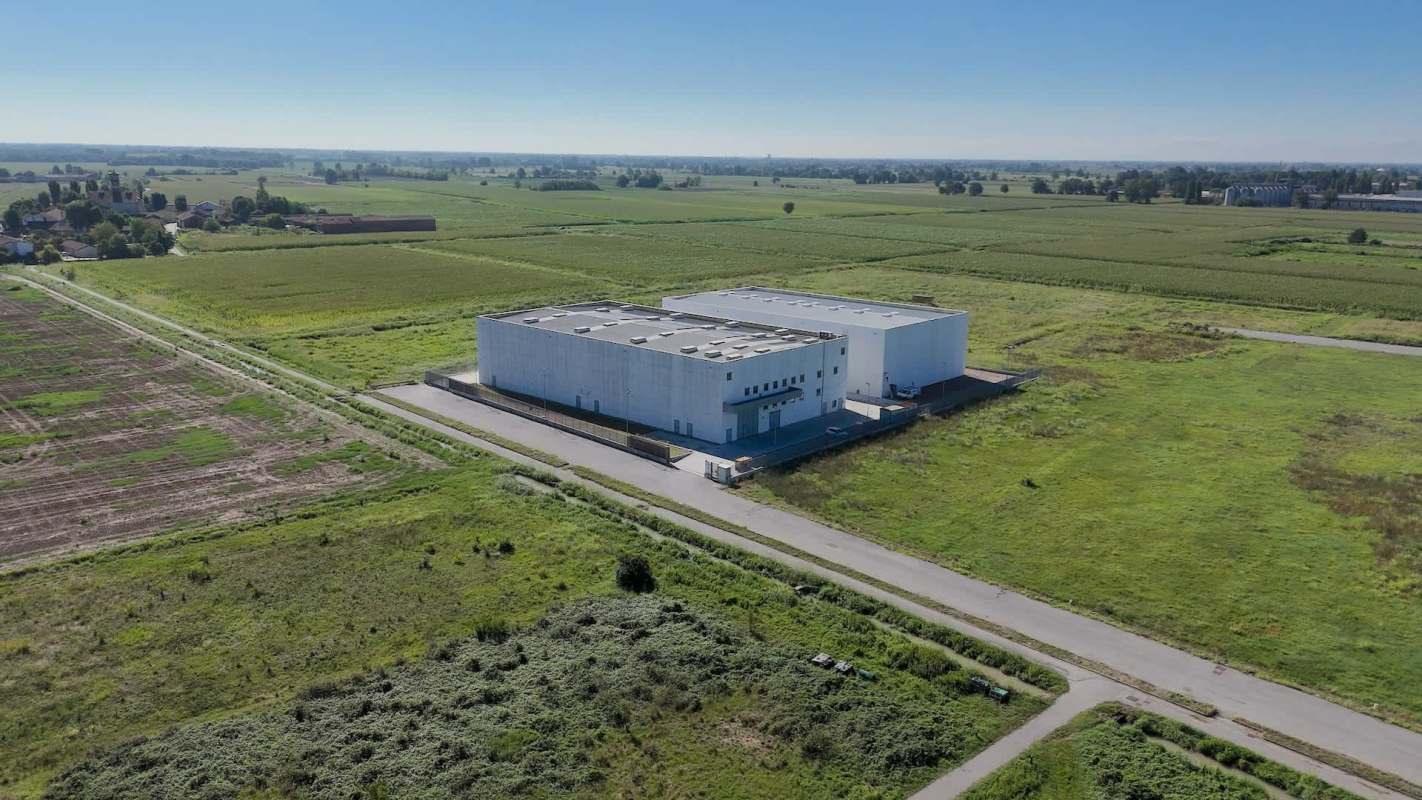
As other neighborhoods and counties fight AI data centers from being built, Lexington County, South Carolina residents aren't quite sure what they want.
County officials debated last month whether they should set rules before a large project is proposed in the area, as more rural communities seem to be the target for AI server campuses, the Post and Courier reported.
What's happening?
Lexington County does not currently have any large-scale data centers. Current zoning would still allow a bigger project to move forward if a company won the necessary approvals and incentives.
Across South Carolina, that prospect is already taking shape. Experts say the state has roughly 20 to 30 data centers of different sizes, the Post and Courier reported. There is one hyperscale facility so far: Google's $1.3 billion Berkeley County campus, which reportedly uses 400 megawatts of energy — enough to power the entire county for more than a year.
At a June 10 committee meeting, councilmember Todd Cockrell said Lexington should prepare in advance before more large projects are proposed in the area, particularly after opposition to proposed projects in other parts of the state.
Nearby Newberry County approved a one-year moratorium on data centers, and Edgefield County is weighing limits related to noise, water consumption, and electricity demand.
TCD Picks » Quince Spotlight
💡These best-sellers from Quince deliver affordable, sustainable luxury for all




Why does it matter?
Though they are essential to the growth of cloud computing and artificial intelligence, hyperscale data centers can put heavy pressure on local power grids, water systems, land use, and surrounding neighborhoods.
Estimates cited by the Post and Courier say a large facility may consume about 5 million gallons of water each day, roughly what a small town uses. Some researchers expect data centers to account for as much as 12% of total U.S. electricity use by 2028, the outlet added.
For communities, that can mean grid stress, higher power bills, or tougher decisions during periods of peak summer and winter demand.
What's being done?
For now, Lexington County appears to be looking for a position between an outright ban and a fully open-door approach.
Officials are not seeking a total moratorium on data centers, partly because some industries use smaller data centers with far lower resource demands as part of routine operation, the Post and Courier reported.
Cockrell said he would not support tax incentives for a giant facility and argued that, without a fee-in-lieu-of-tax deal, major developers would probably choose another community. He also said that land prices in Lexington are higher than in some neighboring rural counties, which could make it less appealing for hyperscale projects.
The outcome can hinge on county zoning hearings, tax incentive talks, and utility planning — decisions that may determine whether a community gains jobs and revenue or is left carrying more of the environmental and infrastructure costs.
"The big mega centers, that's what you're seeing in the headlines right now, they're environmental disasters," Cockrell said.

Get TCD's free newsletters for easy tips, smart advice, and a chance to earn $5,000 toward home upgrades. To see more stories like this one, change your Google preferences here.






