


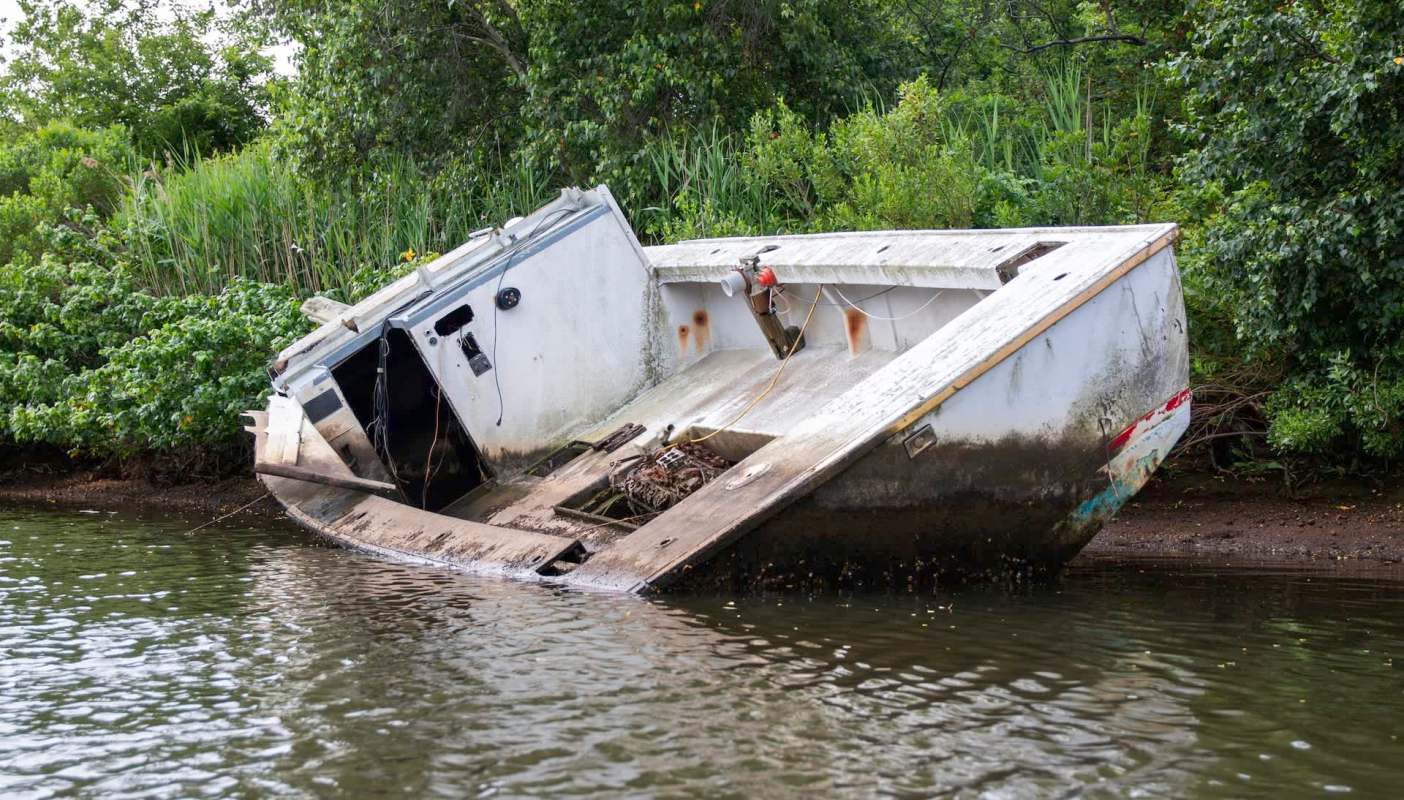
After years of old boats lingering in marshes and tidal creeks, South Carolina is intensifying efforts to remove the vessels before oil, fuel, and lead paint foul some of the Lowcountry's most important coastal habitats.
The effort could mean cleaner water, healthier fisheries, and safer navigation for communities that rely on these waterways every day.
Here's what to know
According to the Island Packet, around 20 abandoned or derelict boats have been removed from Beaufort County waterways in 2026. The combined total for Beaufort, Charleston, and Horry counties has now reached over 50 for the year.
Speeding up that work has been a combination of stricter state laws, wider cooperation among partners, and a program aimed at addressing boat abandonment before it becomes an environmental hazard.
When vessels break down in marsh mud or settle near oyster beds, they can leak oil, fuel, and lead paint into waters that support fish, shellfish, and shorebirds.
As Lt. Andrew Godowns of the South Carolina Department of Natural Resources told the Island Packet, such boats are not only "an eyesore" but also "much more." Godowns said that removing them is "about protecting our waterways and natural resources."
TCD Picks » Quince Spotlight
💡These best-sellers from Quince deliver affordable, sustainable luxury for all




But the risks these watercraft pose are not limited to wildlife. Boats that are hard to see or already sinking can endanger shrimpers, oystermen, and recreational boaters as they move through the water.
More background
Experts say removal work can be costly and complicated, especially in shallow coastal mud.
According to the Island Packet, the local problem grew after 2024's Tropical Storm Helene, which tore multiple boats from their moorings. Some of them sat for months in marshy shoreline areas, raising pollution concerns for nearby homeowners and sensitive habitats.
What's being done?
In 2025, South Carolina lawmakers passed a law aimed at addressing the problem of abandoned boats.
It expands the state's authority to classify a vessel as abandoned and provides funding for removals while also allowing for penalties of up to $10,000, possible jail time, and owner-paid cleanup costs, according to the local outlet. Authorities made the first arrest under the new law in July.
State officials are also trying to prevent abandonments. A two-year-old Vessel Turn-in Program was designed to let residents and businesses apply to dispose of unwanted boats for free.
Where can I learn more?
South Carolina's boat removals fit into a larger effort to keep coastal waterways healthy, from clearing marine debris to restoring marsh habitat and protecting wildlife. If you want to read more on this topic, consider checking out these stories from across multiple regions:
• In Canada, Ocean Legacy Foundation is pulling ghost gear from oceans before it strangles wildlife.
• In South Bay, California, a 50-year tidal marsh restoration is reviving habitat that filters coastal pollution.
• In Indiana lakes, officials warn starry stonewort is spreading rapidly, complicating boating and reshaping underwater habitat.
These pieces offer a small peek at the bigger picture of threats to coastal ecosystems and the communities working to mitigate them.

Get TCD's free newsletters for easy tips, smart advice, and a chance to earn $5,000 toward home upgrades. To see more stories like this one, change your Google preferences here.






