


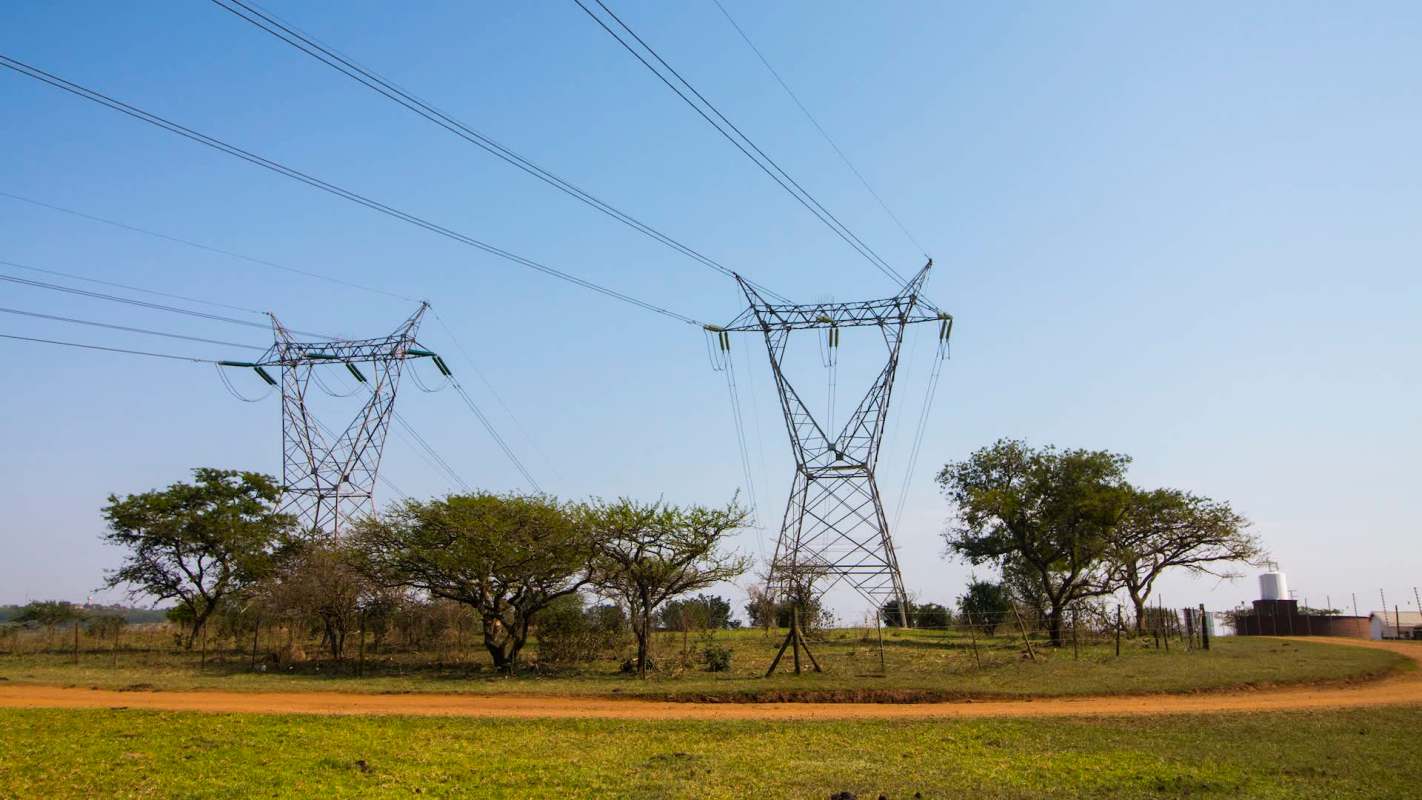
South Africa's massive stockpile of home batteries could soon do much more than keep the lights on during outages.
A new partnership aims to turn 160,000 residential batteries into one giant virtual power plant that can help stabilize the grid while rewarding homeowners in the process.
What happened?
According to IT-Online, South African energy technology company Plentify and inverter-and-battery brand Deye plan to connect Deye's home batteries nationwide through Plentify's platform so they operate as a single shared energy resource with about 2.7 gigawatt-hours of capacity.
Deye has named Plentify its exclusive partner in South Africa for virtual power plant operations, putting one of the country's biggest collections of residential battery storage within Plentify's reach.
Rather than leaving every battery to function only as an individual backup unit, the system is designed to coordinate thousands of them securely as one fleet.
In that setup, the batteries could act in unison to better track electricity demand, relieve strain on the grid, and create more value from hardware homeowners already own.
TCD Picks » Quince Spotlight
💡These best-sellers from Quince deliver affordable, sustainable luxury for all




For Deye, South Africa is a strategically important market, Colin Chang, the company's cloud director, said, while pointing to the residential battery base it has built.
"We've built one of the country's largest residential energy storage footprints, creating the scale needed to support a national Virtual Power Plant," Chang said.
Plentify CEO and co-founder Jon Kornik said the country's unique energy history helped create the opportunity.
"Batteries are included with more than 90% of solar systems, a greater proportion than almost anywhere in the world, but are sitting idle for large portions of the day – especially now that load shedding has receded," he said.
Why does it matter?
For households, a battery purchased for blackout protection could also start producing recurring income, allowing that resilience investment to generate returns without weakening energy security at home.
Kornik said the residential fleet already represents a significant amount of storage: about 2.7 GWh spread across home systems, which is "almost twice the capacity of Eskom's current 1,4GWh Battery Energy Storage Programme."
That means existing household equipment could help supplement major public infrastructure efforts.
Building new grid infrastructure takes years and requires major investment. Virtual power plants, by contrast, can be deployed faster by using hardware that is already installed in neighborhoods.
If it works as intended, it could lower power costs, make service more reliable, and reduce emissions tied to electricity on the network.
What's being done?
The collaboration goes beyond battery storage. Deye will also sell Plentify's HotBot intelligent geyser controller to South African customers, expanding the virtual power plant concept to include more than just home batteries.
That broader setup could add flexibility for the grid while helping households cut costs even further.
Participation is meant to be straightforward for existing Deye customers. Rather than asking people to buy entirely new systems, the model focuses on unlocking additional value from devices already in place.
"For years, South African households invested in Deye solar storage to protect their homes from disruptive power outages," Chang said.
"Ultimately, the benefits extend well beyond participating households, delivering cheaper, cleaner and more resilient energy for everyone connected to the grid," Kornik said.

Get TCD's free newsletters for easy tips, smart advice, and a chance to earn $5,000 toward home upgrades. To see more stories like this one, change your Google preferences here.






