


A startup in southwest England may be able to extract a hard-to-remove pollutant from lakes and reservoirs, then repurpose the collected material for agricultural use.
If the early findings hold up, the approach could help clean waterways, cut fertilizer waste, and ease pressure on communities grappling with phosphate pollution.
What's happening?
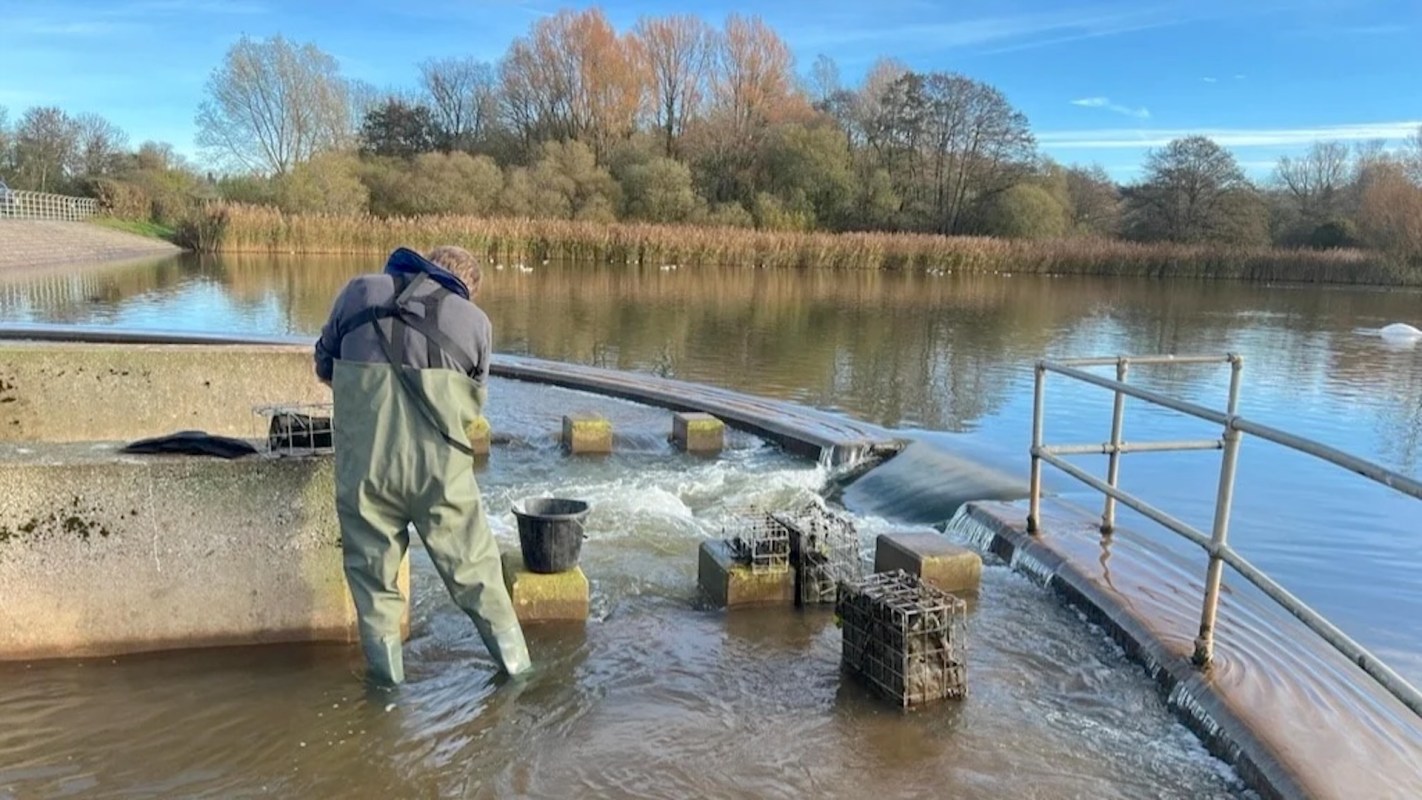
Tests at Chew Valley Reservoir indicate that the phosphate-filtering material from Somerset-based Rookwood Operations may work even when the pollutant is present only in very small amounts, according to BBC News.
Its setup relies on permeable cartridges packed with an organic material with a sponge-like texture that is meant to latch onto phosphate in the water.
Rookwood co-founder Jane Pearce said the company went through more than 500 versions before landing on one that proved effective.
The system now retrieves about 15.4 pounds (7 kilograms) of phosphate for every 132.3 pounds (60 kilograms) of material put to use.
TCD Picks » Quince Spotlight
💡These best-sellers from Quince deliver affordable, sustainable luxury for all




Phosphates are used in fertilizer and some animal feeds, but excess amounts entering waterways from agricultural runoff or sewage spills can trigger harmful algal blooms that deplete oxygen in rivers and lakes.
Pearce said the company hopes to expand.
"We're going to try and go global — phosphate pollution is very prevalent in this region, but it's also very prevalent in the rest of the country, and it's an international problem," she said.
Why does it matter?
Phosphate pollution can affect far more than water clarity.
When algal blooms spread rapidly, they can damage ecosystems, threaten fish and other wildlife, and leave waterways less healthy and less usable for nearby communities.
Farmers also depend on phosphorus to maintain crop yields, but a large share of the world's supply is mined in a small set of countries, including China, the United States, and Russia. That concentration can expose buyers to price swings linked to international events.
A tool that recovers phosphate locally could serve two purposes at once: reducing pollution while helping limit waste in the fertilizer supply chain.
In Somerset, the problem has become especially urgent. Around 12,000 proposed homes in the county have been held up by a court ruling that said extra pressure from new development could deepen the harm to ecosystems already strained by high phosphate levels.
Penny Johnes, a University of Bristol professor of biogeochemistry, described the problem as "ubiquitous," saying most waterways contain phosphorus at three to 10 times natural levels.
What's being done?
Rookwood is planning more trials in additional rivers, lakes, and sewage treatment sites following the Chew Valley test.
The reservoir trial was carried out in partnership with Bristol Water, and Helen Gavin, environmental lead for South West Water, Bristol Water's operator, said, "The results provide evidence that the material is a practical and sustainable solution that can support Bristol Water's wider goals for improved water quality and resilience."
Johnes noted that addressing only new pollution will not be enough.
"Not only do we need to tackle new phosphate deposits coming from sewage and water run-off, but also the phosphorus that has accumulated over many decades in sediment at the bottom of lakes and rivers," she said.
Reusing captured nutrients as fertilizer could help stretch resources further as communities seek cleaner, more circular ways to manage waste.
"It makes a solution like ours, which not only mitigates the phosphate pollution that's causing environmental damage in the water, but allows it to go back to land as a fertiliser, even more important," Pearce said.

Get TCD's free newsletters for easy tips, smart advice, and a chance to earn $5,000 toward home upgrades. To see more stories like this one, change your Google preferences here.






