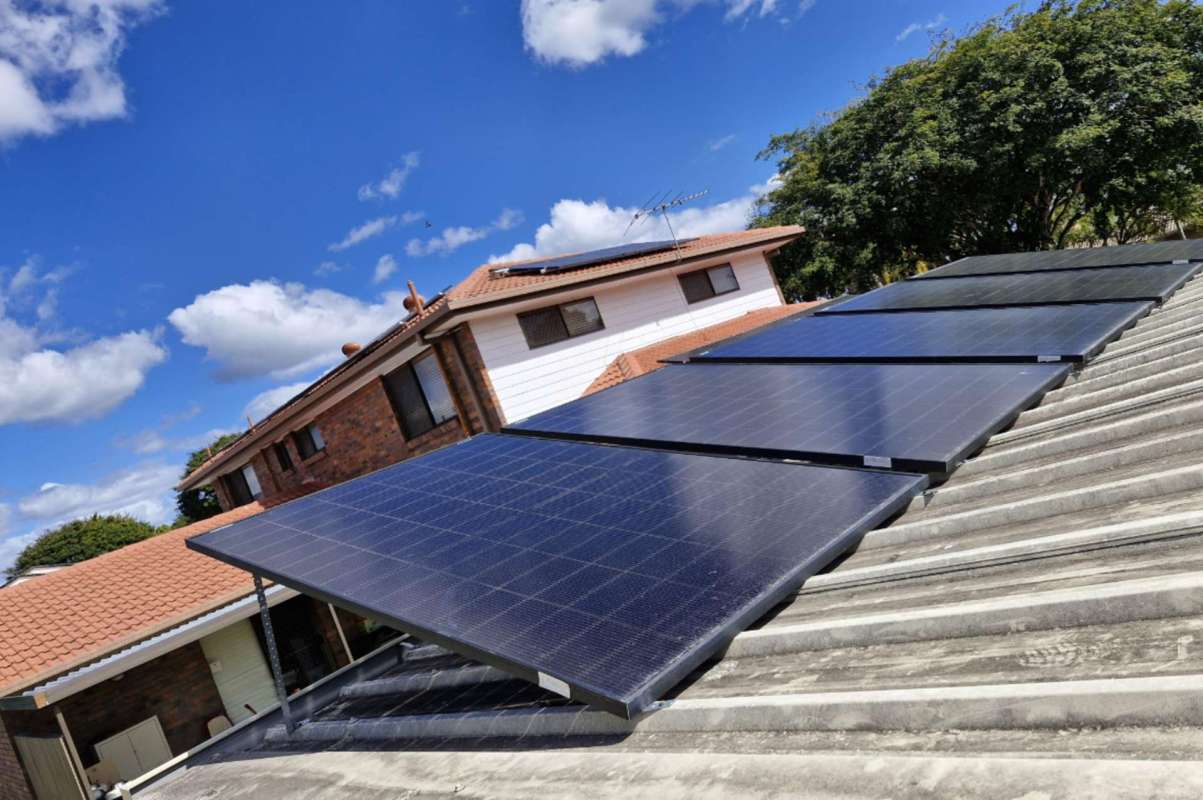
Spare solar panels can seem like an easy way to cut utility bills — until the cost of energy storage and hardware math complicate things.
That was the situation facing an Australia-based solar owner who turned to Reddit for advice on how to use five extra 440-watt panels off-grid. They were met with a reality check, as a portable power station may not be the money-saving solution it appears to be when the cost of purchasing one is factored in.
Here's what to know
In a post on Reddit's r/SolarDIY, the homeowner said they wanted to make the best use of an old 240-volt grid-tied setup alongside five new 440-watt panels. The difficult part was not producing power but finding an off-grid battery system or portable unit that could take that solar input without hitting voltage ceilings or coming up short on storage.
The poster looked at a high-end unit and compared it with a cheaper secondhand option. The goal was to trim household electricity use while keeping a feed-in tariff.
Going solar is one of the best ways to save money on home energy, especially if you can use the power your panels generate at home. If you're considering a new setup or an upgrade, EnergySage can help you get free solar installation estimates and compare quotes.
Other Redditors offered alternative methods, ranging from a DIY setup to cheaper alternatives. This is where the hardware limitations popped up, as one commenter wrote, "That unit has 3kWh of capacity and only a max of 2400W of solar input."
More background
The discussion highlighted a challenge for solar households: Producing electricity is only one part of the equation. If a home cannot use that midday power, the value of extra panels depends on whether the owner can store it, send it to appliances, or export it back to the grid at a worthwhile rate. EV charging, water heating, and batteries can all serve as forms of energy storage.
"This all started when I was thinking about getting an EV and realised it's the perfect place to store surplus daytime solar generation," the original poster wrote in a comment. "When our generous FIT expires I'll need to use my generation somehow rather than sell it to the grid for next to nothing but haven't bought an EV yet so this is kind of a preparation/investigation."
Save $10,000 on solar panels without even sharing your phone number Want to go solar but not sure who to trust? EnergySage has your back with free and transparent quotes from fully vetted providers that can help you save as much as $10k on installation. To get started, just answer a few questions about your home — no phone number required. Within a day or two, EnergySage will email you the best local options for your needs, and their expert advisers can help you compare quotes and pick a winner. |

Other users suggested everything from building a DIY battery bank to using dedicated off-grid equipment or putting the electricity straight into specific loads. One commenter pointed to the convenience factor, writing, "Power stations can be somewhat more expensive, but DIY assumes you already have the tools and expertise (or can borrow them)."
A portable system may be simple to buy and use, but a custom setup can deliver far more capacity for the price.
What can be done?
Matching solar voltage, current, and wattage to a battery or inverter before making a purchase can avoid an issue with strict input limits that leave potential savings untapped.
EnergySage's free services can also help homeowners decide whether it makes more sense to expand a home solar setup instead of piecing together portable workarounds. With EnergySage's help, the average person can save up to $10,000 on a solar purchase and installation. And EnergySage's solar map shows the average cost of a home solar panel system by state along with details on solar panel incentives available in each state. Together, those resources can help you get the best price for rooftop solar panels and access available incentives.
More From EnergySage
💡Go deep on the latest news and trends shaping the residential solar landscape




Adding battery storage to a solar setup is one of the best ways to protect your home during outages, save money on energy, and go off-grid. It can also help households use more of their own solar power after sunset instead of exporting it when rates are less favorable. If you're interested in that option, explore EnergySage for information about home battery storage options, including competitive installation estimates.
In the end, spare panels are only as useful as the battery or inverter that can handle them within the owner's budget.
As the OP put it, "Not worth doing if it costs more than it returns, though, obviously."
One user said: "Power stations are expensive. Just DIY and get a battery, MPPT, and inverter. Should cost you less than $1,000 for a 5kWh system with 3kW+ of inverter output."
Where can I learn more?
Each of these articles gets at a different piece of the puzzle raised in the thread, whether that's expanding a full home system, dealing with panel performance issues, or choosing storage that fits hardware. They also make clear that financing and installation costs matter just as much as raw panel wattage.
• In Australia, one homeowner said blackouts disappeared with a 20kW solar setup.
• Another homeowner under an inherited lease learned dirt can make panels produce less.
• At EnergySage, interconnected factors shape costs long before a homeowner buys batteries.
• In New South Wales, interest-free loans for solar and batteries lowered upgrade barriers.
The takeaway is straightforward: Getting more from solar comes down to system design, storage, and cost.

Get TCD's free newsletters for easy tips, smart advice, and a chance to earn $5,000 toward home upgrades. To see more stories like this one, change your Google preferences here.