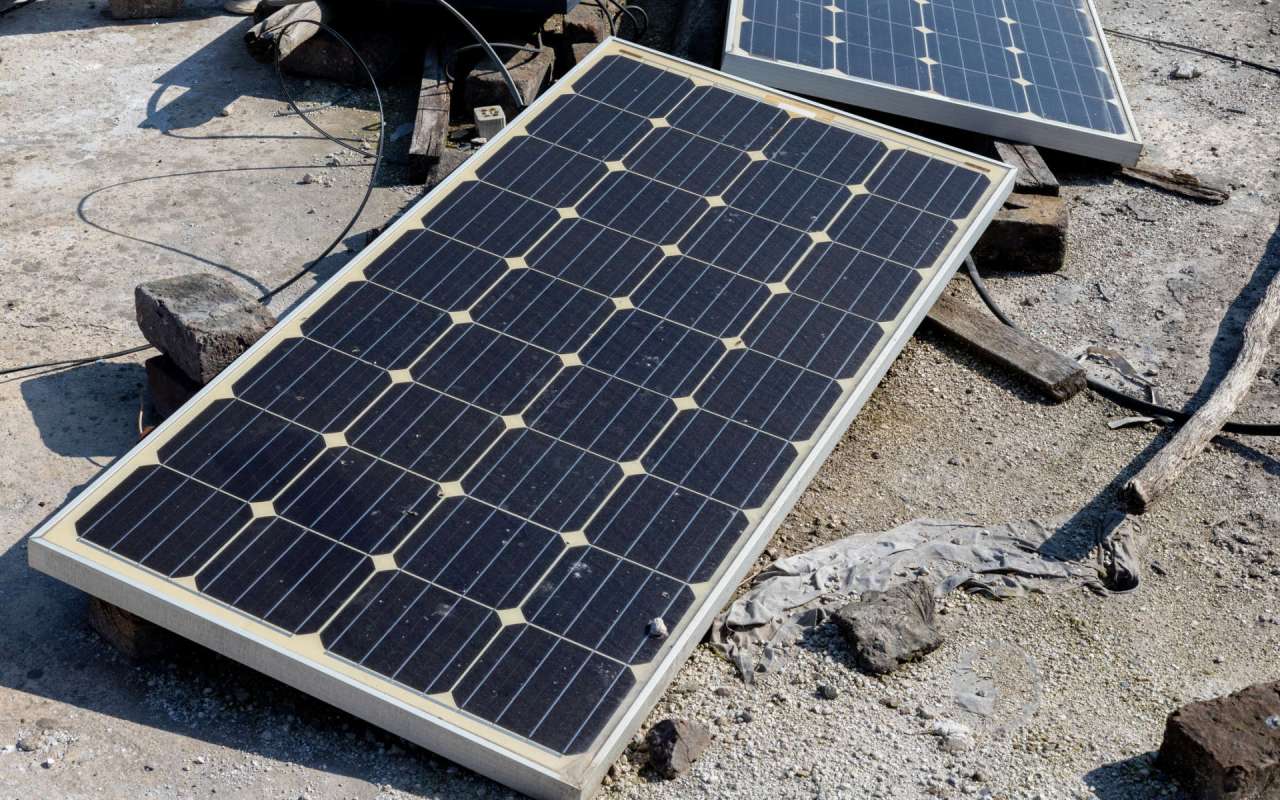
Australia's rooftop solar boom has become one of the country's biggest clean energy success stories.
But as more systems reach the end of their usable lives, scientists and policy experts are warning that Australia needs a national plan, and potentially a $10 to $20 fee per panel, to keep a growing volume of solar waste from being dumped or stockpiled as many older panels have generated vast totals of power but are now reaching the end of their lifespans.
Here's what to know
According to ABC News, a national science group is pushing for a solar panel stewardship program that would collect money when panels are installed and later use those funds to gather, reuse, and recycle them once they wear out.
That proposal comes as rooftop solar keeps expanding. ABC News reported that about a third of Australian homes now have it, and roughly 300,000 more systems are added each year.
Recycling, meanwhile, remains limited. ABC News reported, citing the Productivity Commission, that only 17% of solar panels are recycled, while Australia produces about 66,000 tons (60,000 metric tons) of panel waste annually and the federal government says that figure could climb to about 99,000 tons (90,000 metric tons) by 2030.
At a parliamentary inquiry, Peter Derbyshire, acting CEO of the Australian Academy of Technological Sciences & Engineering, said, as ABC News reported, that manufacturers, importers, and customers should share both the cost and responsibility instead of leaving households to manage old panels by themselves.
TCD Picks » Quince Spotlight
💡These best-sellers from Quince deliver affordable, sustainable luxury for all




ABC News reported that Energy Minister Chris Bowen unveiled a pilot recycling program in January that was meant to begin in mid-2026, although the Department of Climate Change, Energy, the Environment and Water said procurement had not yet been completed.
"The government remains committed to the pilot," a spokesperson said.
More background
Because new rooftop systems keep being installed, the issue is becoming more pressing, even though experts do not all agree on how serious the waste problem is.
Andrew Blakers, an Australian National University professor who specializes in solar panel systems, said, "At the moment, solar panel waste is about one fifth of 1 per cent of the solid waste stream in Australia."
He also said panels are mostly made of glass, along with metal frames and cables, and argued that "glass is an incredibly cheap and safe waste material."
Still, panels contain materials including polysilicon and silver, and recovering them could make more economic sense as recycling systems become more effective. An NYU Tandon perspective paper made a similar case for designing panels with recovery in mind from the start.
In that way, the structure would be more like bottle and can recycling plans in many areas around the world that charge a fee at the time of sale that can then be paid back when properly recycling. Except instead of 5 to 10 cents, it might be $10 to $20 given the bigger size and weight of solar panels.
Penelope Crossley, a University of Sydney professor who studies legal issues connected to the energy transition, said the logistics of a nationwide program could make it more costly and more difficult to operate.
"Transport alone [is] estimated to account for around 10% to 15% of recycling costs," she said, per ABC News, warning that any system would need to work not just in Sydney but in remote communities as well.
A stewardship program could add to the upfront cost of solar, but supporters have argued that a smaller charge during installation may be easier for homeowners than facing a much larger disposal bill years later.
What's being done?
Other countries already offer a few possible models. Crossley pointed to the European Union's waste electrical and electronic equipment rules, under which producers are responsible at end of life, meaning companies cover panel collection and treatment instead of leaving that burden entirely to the household or business getting rid of them.
Experts have also said Australia should avoid treating panels as waste too early when they may still be usable.
"We don't automatically assume that a solar panel being taken off a roof is going to be waste," Crossley said. "We need to think about whether that solar panel could be reused as an interim step in the process."
Damien Giurco, circular economy chair at the University of Melbourne, said charging the fee at the outset is the more practical option.
"Otherwise, if you look to when people are getting rid of the solar panels, asking people to pay then is trickier," he said.
There may also be a business case. As ABC News reported, a University of Adelaide study estimated the solar recycling industry could be worth up to $950.6 billion globally by 2060, suggesting that stronger recovery systems could create jobs while reducing the need to keep extracting raw materials.
Officials are also weighing whether the proposed fee would fully cover costs, or prove too low once transport is included, and how panels should be handled once they come off the roof.
"We need to think of solar panels as part of a circular economy rather than a disposable product," professor Jian Zuo said.

Get TCD's free newsletters for easy tips, smart advice, and a chance to earn $5,000 toward home upgrades. To see more stories like this one, change your Google preferences here.