


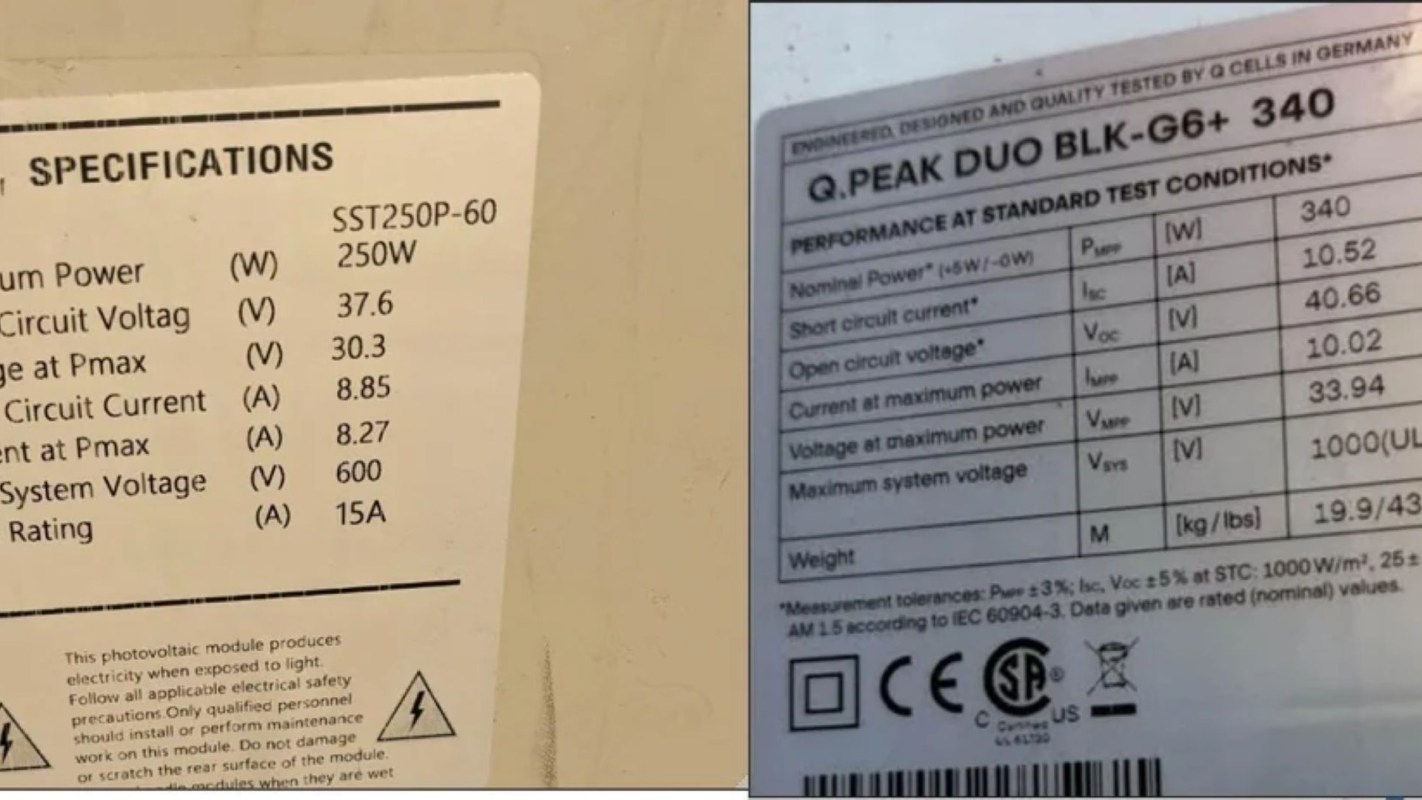
After a panel failure in an existing solar array, one Redditor asked whether a 340-watt module they could buy locally could replace a damaged 250-watt panel without causing issues.
Users said the real question was not about the higher wattage but whether the replacement panel's electrical specs fit with the way the array was configured.
Here's what to know
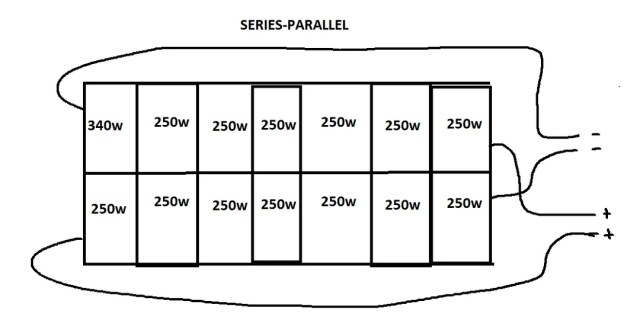
The issue came up in a thread on r/SolarDIY, where the user said their setup had 14 panels rated at 250 watts each and that they could only find a 340-watt replacement unit.
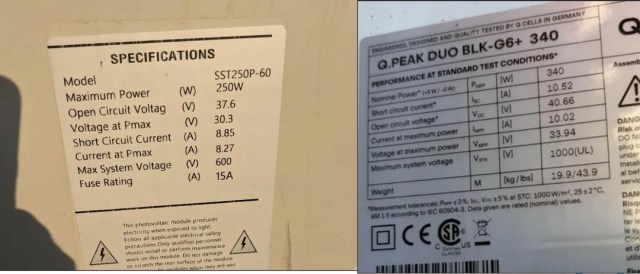
"The watts don't really matter," one user commented.
Others also focused on the array design, explaining that series-connected panels are limited by current, while parallel strings need voltages that are close enough to avoid one string feeding power into another.
For homeowners looking beyond a one-panel repair, going solar is one of the best ways to save money on home energy. You can explore EnergySage to get free solar installation estimates and compare quotes.
The original poster shared the voltage comparison, noting it was 37.6 for the 250-watt and 40.7 for the 340-w panel, "an 8% difference."
People in the thread said that a mismatch of that size can change string behavior, affect maximum-voltage calculations, and create safety concerns.
Save $10,000 on solar panels without even sharing your phone number Want to go solar but not sure who to trust? EnergySage has your back with free and transparent quotes from fully vetted providers that can help you save as much as $10k on installation. To get started, just answer a few questions about your home — no phone number required. Within a day or two, EnergySage will email you the best local options for your needs, and their expert advisers can help you compare quotes and pick a winner. |

More background
One user said that in the installation work they do, the company "limit[s] the amperage of the replacement panel to about 125% of the existing." They added that with old equipment, installers sometimes replace more than one panel because modern modules often no longer match outdated specifications.
Other commenters pointed to additional checks. One said the array's full-series open-circuit voltage should be recalculated and compared against the inverter or charge controller limits. Another user also cautioned against mixing MC4 connectors from different manufacturers, saying it was "leading to fires in some instances" and warning that the wrong connector pairing could let in water and lead to corrosion.
If you're weighing repair versus replacement, EnergySage's solar map shows the average cost of a home solar panel system by state along with details on available solar panel incentives in each state. EnergySage's free services can take much of the guesswork out of a major home upgrade. With EnergySage's help, the average person can save up to $10,000 on a solar purchase and installation. Together, those tools can help you get the best price for rooftop solar panels and access available incentives.
What can be done?
For this kind of repair, the first step is to line up the replacement panel's voltage and current ratings against the rest of the array and make sure the updated string voltage still falls within the inverter or charge controller's allowed range. When the specs are close but not identical, a system may still function, though that can come with lower efficiency or other trade-offs. If the mismatch is larger, alternatives include finding a nearer match, changing the string layout, or putting the panels on separate MPPT inputs.
More From EnergySage
💡Go deep on the latest news and trends shaping the residential solar landscape




Adding battery storage to a solar setup is one of the best ways to protect your home during outages, save money on energy, and go off-grid. It can also help you use more of the electricity your panels produce. Explore EnergySage for information about home battery storage options, including competitive installation estimates.
Where can I learn more?
If you're trying to figure out whether a single-panel fix will do the job or whether your system needs a closer look, these articles offer useful context. They cover installation decisions and the cost questions that tend to come up when a simple repair starts moving toward a full replacement.
• Households considering an upgrade often compare solar options for installation before replacing aging equipment.
• Those trying to avoid overspending can use EnergySage to better grasp interconnected solar cost factors before committing.

Get TCD's free newsletters for easy tips, smart advice, and a chance to earn $5,000 toward home upgrades. To see more stories like this one, change your Google preferences here.






