


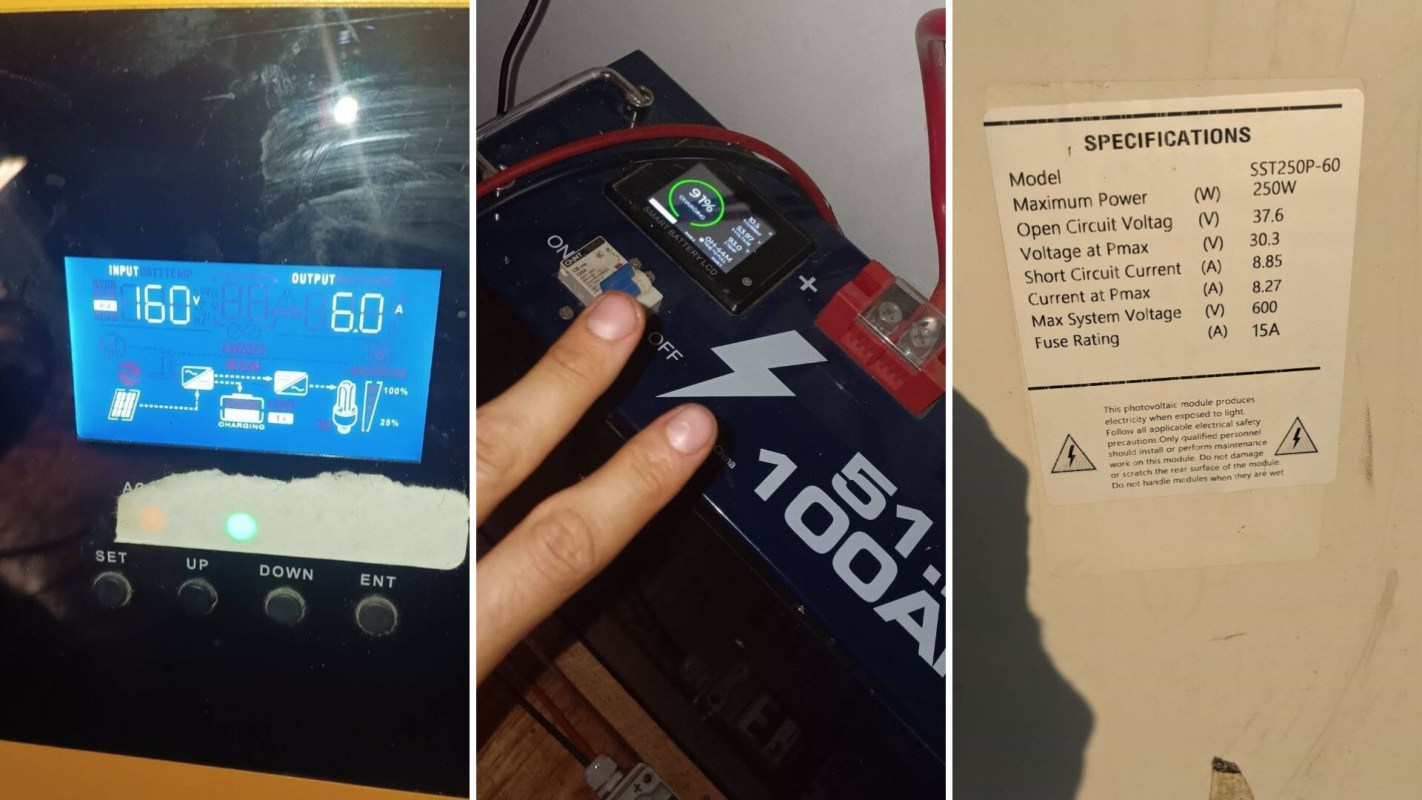
A DIY solar owner thought a 14-panel array might be failing after the system delivered just a fraction of its expected power. But fellow solar tinkerers pointed to a simpler explanation first: The testing method itself may have been part of the problem.
That distinction matters for anyone trying to squeeze the most savings out of a rooftop setup without damaging gear in the process.
Here's what to know
According to Reddit, the owner reported that an all-in-one inverter was showing 160 volts and "~0.7kw" of production from a south-facing 14-panel array made up of 250-watt modules tilted 30 degrees, even though the PV leads read "~220v DC" on a multimeter.
The OP added: "Any idea what may be wrong here? Or suggestions on checking the amps without frying the prongs?"
Much of the response focused on the measuring tool rather than the panels themselves.
One user warned, "Regular multimeters aren't supposed to be used to check current," adding, "It's best to use a clamp meter."
A separate user read the voltage as what one seven-panel string would produce when working properly, which is why they said it "seems reasonable for one string of 7 panels" and suggested a loose connection or weak string could be the culprit.
For homeowners considering their own systems, going solar is still one of the best ways to save money on home energy. Tools like EnergySage can help you compare free solar installation estimates and quotes before committing.
Save $10,000 on solar panels without even sharing your phone number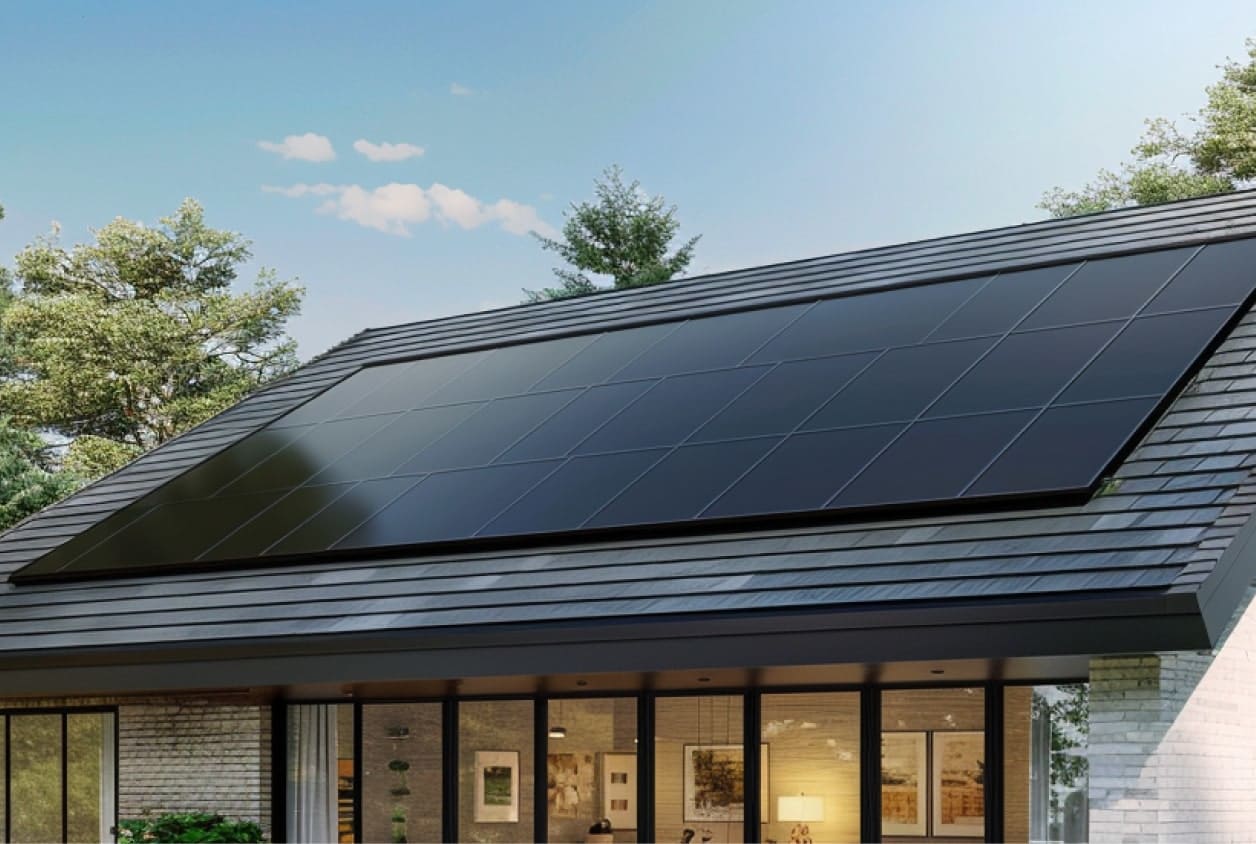 Want to go solar but not sure who to trust? EnergySage has your back with free and transparent quotes from fully vetted providers that can help you save as much as $10k on installation. To get started, just answer a few questions about your home — no phone number required. Within a day or two, EnergySage will email you the best local options for your needs, and their expert advisers can help you compare quotes and pick a winner. |

More background
At their rated output, 14 panels at 250 watts each should total 3.5 kilowatts.
Still, panel count alone does not determine what a system produces in real conditions. Wiring layout, inverter configuration, battery charge level, weather, and whether the setup is drawing or storing additional power can all affect the numbers.
One explanation raised in the thread involved battery charge state: If the battery is already close to full, it may accept less charging current, which can make production appear lower.
Someone else pointed out that 160 volts sat only a little above the inverter's 120-volt minimum solar input range, which could also contribute to weak performance.
More From EnergySage
💡Go deep on the latest news and trends shaping the residential solar landscape


Checking amperage incorrectly on a live solar circuit can cause arcing, blow fuses, or damage a meter.
What can be done?
A practical place to start is to make sure the inverter and battery settings match the battery voltage before checking connectors for loose or damaged wiring and comparing the strings one by one if the system allows.
To measure current on a PV line, a DC-rated clamp meter is generally safer than using a standard multimeter.
With EnergySage's help, the average person can save up to $10,000 on solar purchases and installations. And EnergySage's solar map shows the average cost of a home solar panel system on a state-by-state level, along with details on solar panel incentives for each state, helping homeowners get the best price for rooftop solar panels and access available incentives.
Adding battery storage to a solar setup is one of the best ways to protect your home during outages, save on energy costs, and go off-grid. It can also help households use more of the solar power they produce instead of sending it away unused. Homeowners can explore EnergySage for information about home battery storage options, including competitive installation estimates.
Where can I learn more?
Solar performance questions can range from faulty equipment to system design changes or unexpectedly high output. These stories run the gamut from a failed meter in North Carolina to a disputed Sunrun redesign and several surprising production results.
• In North Carolina, a homesteader learned the solar meter failed before the array did.
• A Sunrun customer signed for 51 panels and then saw a redesign cut 13 anyway.
• One homeowner's 76-panel solar array looked excessive until he explained its heavy demand.
• A Redditor with a rooftop van setup watched output surge past 1,050 watts unexpectedly.

Get TCD's free newsletters for easy tips, smart advice, and a chance to earn $5,000 toward home upgrades. To see more stories like this one, change your Google preferences here.






