


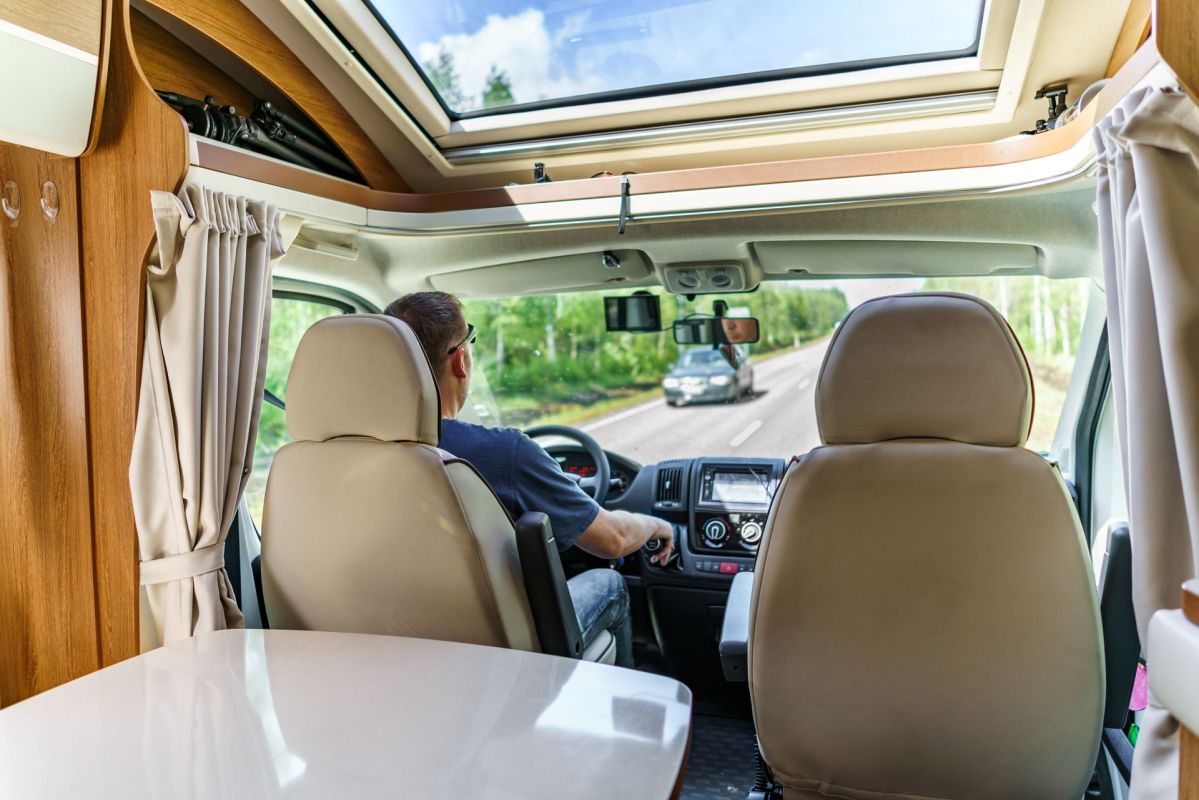
A solar-equipped motorhome carried a Brazilian couple across 10 African countries while plugging into the electric grid only about three times over roughly a year.
That level of energy independence kept two air conditioners, two refrigerators, an electric stove, and satellite internet running far from conventional hookups, as pv magazine reported.
Here's what to know
Alessandro De Franceschi, known as Alê, and Maria Eduarda Cardoso, known as Duda, rely on rooftop solar, lithium battery storage, and charging from the vehicle's alternator while driving to run their motorhome.
Their African expedition started in August 2025, per Alê.
The system also ran a television, lighting, an air fryer, an electric oven and stove, Starlink satellite internet equipment, and water heating, while a diesel-powered option remained available as backup.
Energy comes in while the vehicle is parked and while it is moving.
TCD Picks » Quince Spotlight
💡These best-sellers from Quince deliver affordable, sustainable luxury for all




Rooftop photovoltaic panels produce power during daylight, and a Victron Energy Orion DC-DC charger uses the motorhome's alternator to refill the batteries on the road.
That setup lets them choose remote stops more freely instead of planning around hookups, without sacrificing cooling, refrigeration, cooking, or connectivity.
More background
Storage comes from three Victron Energy lithium batteries rated at 25.6 V and 200 Ah each, for roughly 15.36 kWh of nominal capacity before discharge limits and conversion losses.
This is more than a light-duty travel electrical setup.
Running two air conditioners, two refrigerators, and electric cooking equipment creates significant demand, so the couple's autonomy depends on the combined performance of solar generation, stored energy, and alternator charging.
Using an interior display or smartphone access, De Franceschi and Cardoso can monitor battery charge and see how much electricity is coming from the solar panels or the alternator, including reductions caused by shading.
That visibility mattered when the couple left the vehicle parked and flew to other destinations without it.
Alê noted that remote monitoring helped them keep track of available power even when they were away from their motorhome.
What's being done?
The system includes a 24 V, 5,000 VA MultiPlus-II inverter, SmartSolar MPPT 100 V/50 A control, Orion charging units, a 500 A SmartShunt monitor, a Cerbo GX communication hub, and a GX Touch 70 display, alongside the lithium batteries.
In practice, the inverter supplies AC power for household-style appliances, the charge controller regulates energy from the panels, and the monitoring hardware helps the couple watch battery state of charge before shortages become a problem.
An off-grid motorhome depends on more than its battery bank size.
Weather, shade, parking time, and everyday appliance use all shape results, which is why the combined system of generation, storage, charging, and monitoring matters.
Nearly seven years on the road has taken the couple to around 30 countries.
"Today, we're able to maintain a daily routine very similar to that of a conventional home, even when we're far from urban infrastructure," Alê told the outlet.
Where can I learn more?
These stories look at how other off-grid vehicle setups handle air conditioning and everyday power needs. They cover vans, skoolies, and RV gear built around solar, batteries, and cooling.
• In a self-built van, the AC can run "forever" on solar when the insulation does its job.
• A full-time skoolie owner learned that the 30A controller caps any plans for a fourth panel.
• BLUETTI says its SORA 500 folds like a camp table for tight RV setups.

Get TCD's free newsletters for easy tips, smart advice, and a chance to earn $5,000 toward home upgrades. To see more stories like this one, change your Google preferences here.






