


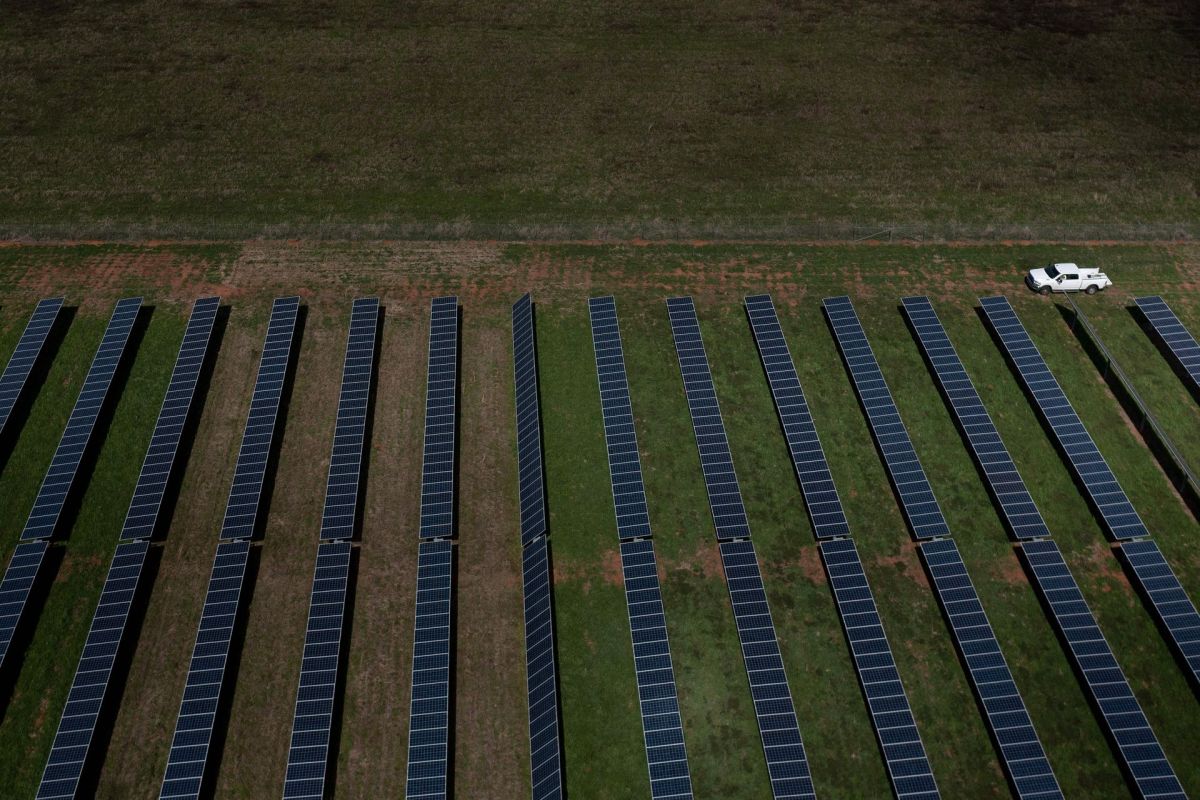
Jimmy Carter died in December 2024 at age 100, but a solar project tied to his decades-long push for clean energy is still working every day in Plains, Georgia.
The 10-acre solar farm built on Carter family land in 2017 continues to help power the hometown he never really left.
Carter stood in a field in Plains for the solar farm's ribbon-cutting in February 2017, watching panels begin tracking the sun on land that had once grown peanuts and soybeans. More than seven years later — and months after his death on Dec. 29, 2024 — the array is still operating at its original capacity.
The project uses 3,852 polycrystalline panels on single-axis trackers that follow the sun through the day. On clear days, the site generates 1.3 megawatts of electricity. SolAmerica signed a 25-year deal with Georgia Power that will last through 2042, with output projected at over 55 million kilowatt-hours of clean electricity during that period.
The project also helps complete a much longer story. Carter famously installed 32 solar panels on the White House roof in 1979 during the energy crisis, years before solar power became popular or widely affordable.
For communities, local clean power can strengthen energy independence, reduce reliance on more volatile fuel sources, and offer a steadier path to long-term savings.
Get cost-effective air conditioning in less than an hour without expensive electrical work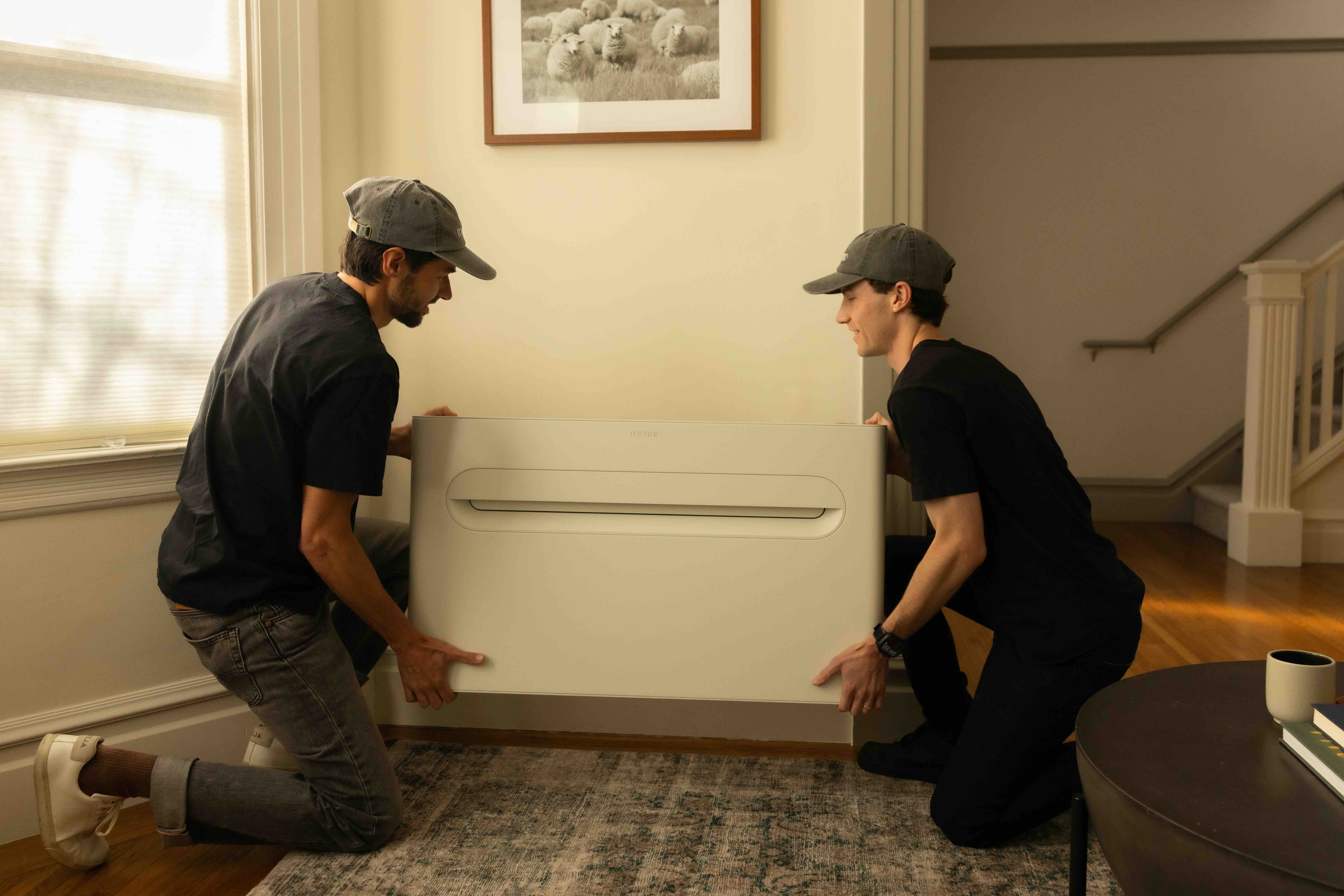 The Merino Mono is a heating and cooling system designed for the rooms traditional HVAC can't reach. The streamlined design eliminates clunky outdoor units, installs in under an hour, and plugs into a standard 120V outlet — no expensive electrical upgrades required. And while a traditional “mini-split” system can get pricey fast, the Merino Mono comes with a flat-rate price — with hardware and professional installation included. |

Lower-cost electricity and cleaner generation can ease pressure on utility systems while cutting the pollution linked to dirtier power sources. Less air pollution can also mean better public health outcomes, especially for people with asthma and other respiratory conditions.
The site has also taken on a second life as a research hub. University of Georgia scientists are studying how solar farms can improve stormwater management and support pollinators by planting wildflowers and native grasses beneath and between the panels.
That dual-use approach, often called agrivoltaics, can help the same piece of land work harder for both people and the environment.
Carter's former farmland is now showing how one site can support cleaner power, healthier ecosystems, and a more resilient local future all at once.
TCD Picks » Quince Spotlight
💡These best-sellers from Quince deliver affordable, sustainable luxury for all




As Carter said in 2017, "Distributed, clean energy generation is critical to meeting growing energy needs around the world while fighting the effects of climate change."

Get TCD's free newsletters for easy tips, smart advice, and a chance to earn $5,000 toward home upgrades. To see more stories like this one, change your Google preferences here.
Cool Picks





