


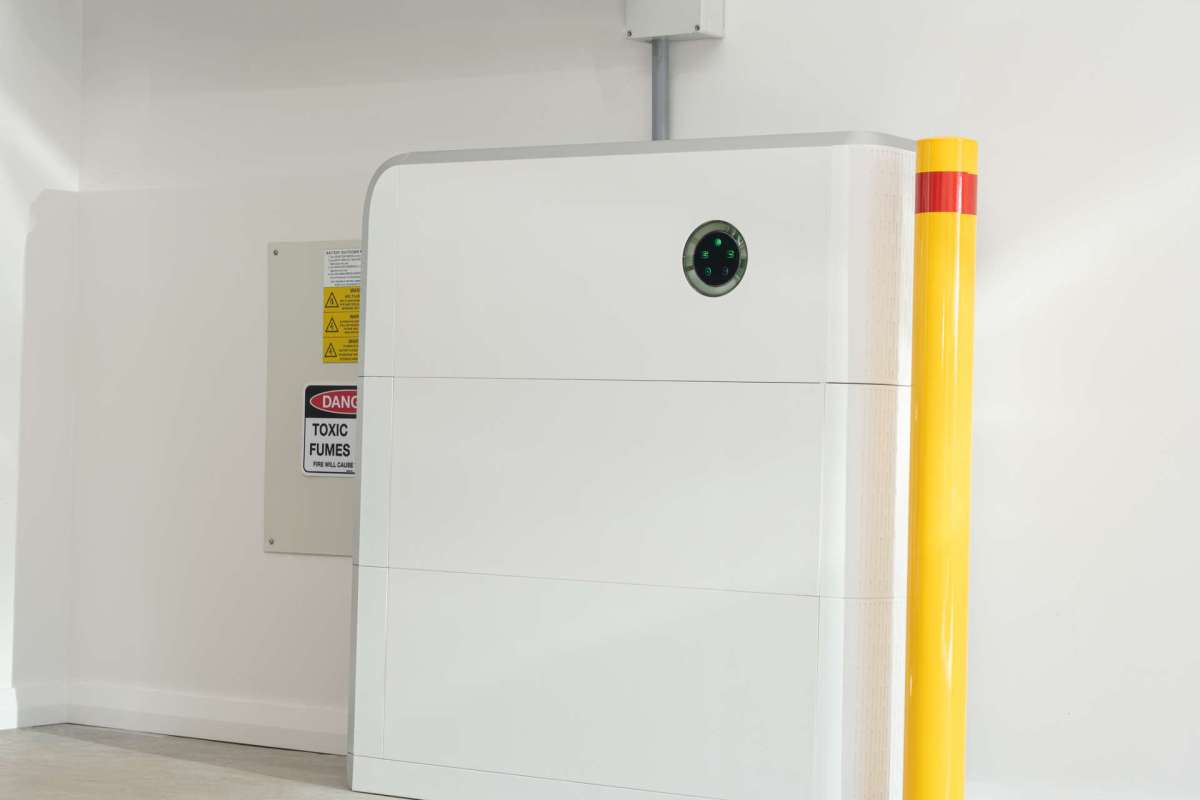
Redditors in the r/SolarUK subreddit sparred over a familiar home-energy question of whether a relatively small battery can still make a meaningful difference on electricity bills.
The discussion picked up after a homeowner with a larger setup said their battery was already close to full despite cloudy weather, prompting a broader debate over how much storage is really worth installing.
Here's what to know
In a discussion on Reddit, one poster said their system combines a 7.5-kilowatt solar array with a 16-kilowatt-hour battery and that the battery was filling surprisingly fast.
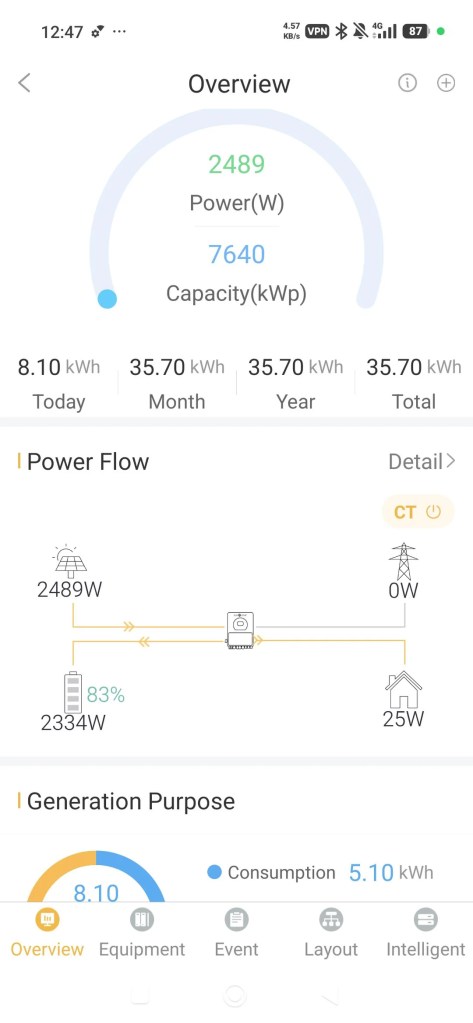
They wrote, "Why does anyone bother with a 5kw battery systems? … If I just put the recommended setup of panels and 5kw battery, I would have exported around 15kw in just the last 3.5 days," adding that their household uses "25 to 30kw a day."
Many of the replies argued that even a much smaller battery can still produce real savings.
One commenter summed it up simply: "5kWh is better than 0kWh."
TCD Picks » Quince Spotlight
💡These best-sellers from Quince deliver affordable, sustainable luxury for all




The same user also challenged the idea that everyday appliances automatically mean a larger battery is necessary, and questioned the original poster's claims about their usage.
"If your washer, dryer and dishwasher use the full 5kWh, then you have a bigger problem than the battery size," they wrote.
More background
Some commenters said falling prices have made larger systems more attractive. Even so, the largest option is not always the most affordable one.
One commenter pointed to a tariff setup where excess solar is exported for 12 pence per kilowatt-hour and the battery is recharged overnight for 3.49 pence per kilowatt-hour. With that kind of spread, even a 5-kilowatt-hour battery can still be worthwhile, particularly if it can be charged and used more than once in a day.
A commenter with a 5-kilowatt-hour EcoFlow battery said it mainly helps "cover early morning and late evening usage to avoid paying peak rate." But they also warned that adding capacity later may not be cheap, writing, "The actual batteries are cheap but the install costs were crazy."
Choosing a battery size is not only a question of storage volume. Installation expenses, local utility pricing, and how much power a household needs after dark also shape the decision.
What can be done?
Shifting laundry, dishwashing, and other high-use chores into sunny hours can reduce the need for stored power, since more electricity can be used straight from the panels.
As one commenter put it: "No need to store it in the battery — straight from the sun to clean clothes!"
The discussion also pointed to the size of a battery being more of a personal thing rather than a one-size-fits-all solution.
Where can I learn more?
Battery sizing and solar economics play out differently in practice when local rules and regulations are taken into account.
• In many U.S. states, net metering still makes adding a home battery harder to justify.
• In Connecticut, home batteries gained an edge as rooftop solar incentives approached new caps.
• In England, residents funded the U.K.'s first community-owned battery to catch solar that would otherwise be wasted.
• EnergySage says installation costs remain complicated, even when cheaper equipment makes solar more appealing.

Get TCD's free newsletters for easy tips, smart advice, and a chance to earn $5,000 toward home upgrades. To see more stories like this one, change your Google preferences here.






