


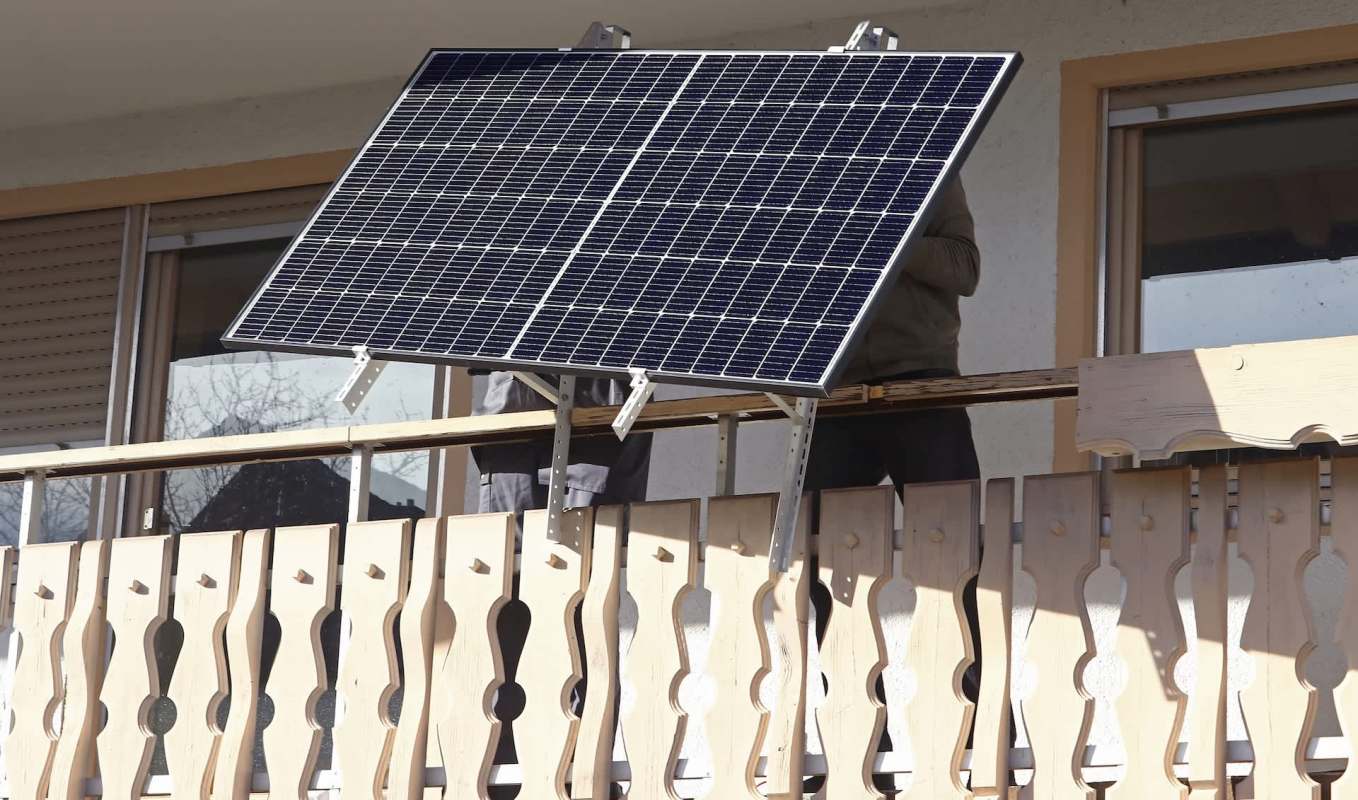
A tiny, shaded apartment balcony may not sound like the ideal place for a solar setup, but one DIYer in Spain is determined to see just how far a small system can go after outlining a plan on Reddit to turn about 32 square feet (3 square meters) of balcony space into a miniature energy-saving setup using two 350-watt solar panels and a free 1-kilowatt-hour battery.
Here's what to know
Rather than sending balcony solar power straight into the home, the OP wants to route it through an MPPT charge controller, then use a zero-export microinverter and Home Assistant to decide when to use that energy.
That setup is meant to cut the apartment's own grid demand during expensive evening periods instead of exporting electricity. With peak rates often around €0.30 ($0.34 USD) per kilowatt-hour, the OP estimated about €490 ($550) in hardware costs, a best-case payback of roughly 4.5 years, and a more realistic return window of six to seven years after accounting for real-world inefficiencies.
Several users suggested the real payoff may be the project itself more than the savings.
One user said, "It'd be a fun project but likely not worth it unless you value it as a hobby."
However, another user pointed to the potential value of battery time-shifting: "In 80 days I have paid 46 € ($52) to charge the battery and saved 103 € ($116) from that. So almost 60€ ($67) in gains."
For homeowners with enough roof space, going solar is one of the best ways to save money on home energy. You can try EnergySage to get free solar installation estimates and compare quotes.
More background
The OP's balcony is far from ideal for solar: It faces north-northeast and only gets direct morning sun for about two to four hours. Even so, the Reddit user estimated peak generation could reach 500 to 600 watts, with reflected light from nearby buildings adding another 50 to 60 watts later in the day. To squeeze more value from that production, the plan calls for automatically turning the microinverter on once the battery reaches 95% and switching it back off at 85%.
Save $10,000 on solar panels without even sharing your phone number Want to go solar but not sure who to trust? EnergySage has your back with free and transparent quotes from fully vetted providers that can help you save as much as $10k on installation. To get started, just answer a few questions about your home — no phone number required. Within a day or two, EnergySage will email you the best local options for your needs, and their expert advisers can help you compare quotes and pick a winner. |

In that scheme, Home Assistant would control the timing of storage and discharge while also deciding when low-priced grid electricity might be worth using to charge the battery.
The user also said Spanish retail electricity prices can occasionally drop to €0.005 ($0.0056) per kilowatt-hour.
They added, "I tend to put the A/C on full blast to cool some air thermal mass at those hours to use less electricity during later hours."
What can be done?
For readers considering a larger version of this approach, comparing equipment and incentives can be just as important as generating electricity itself. EnergySage's solar map shows the average cost of a home solar panel system by state, along with solar panel incentives for each state. Together, those tools can help homeowners get the best price for rooftop solar panels and access available incentives. And with EnergySage's help, the average person can save up to $10,000 on solar purchases and installations.
More From EnergySage
💡Go deep on the latest news and trends shaping the residential solar landscape
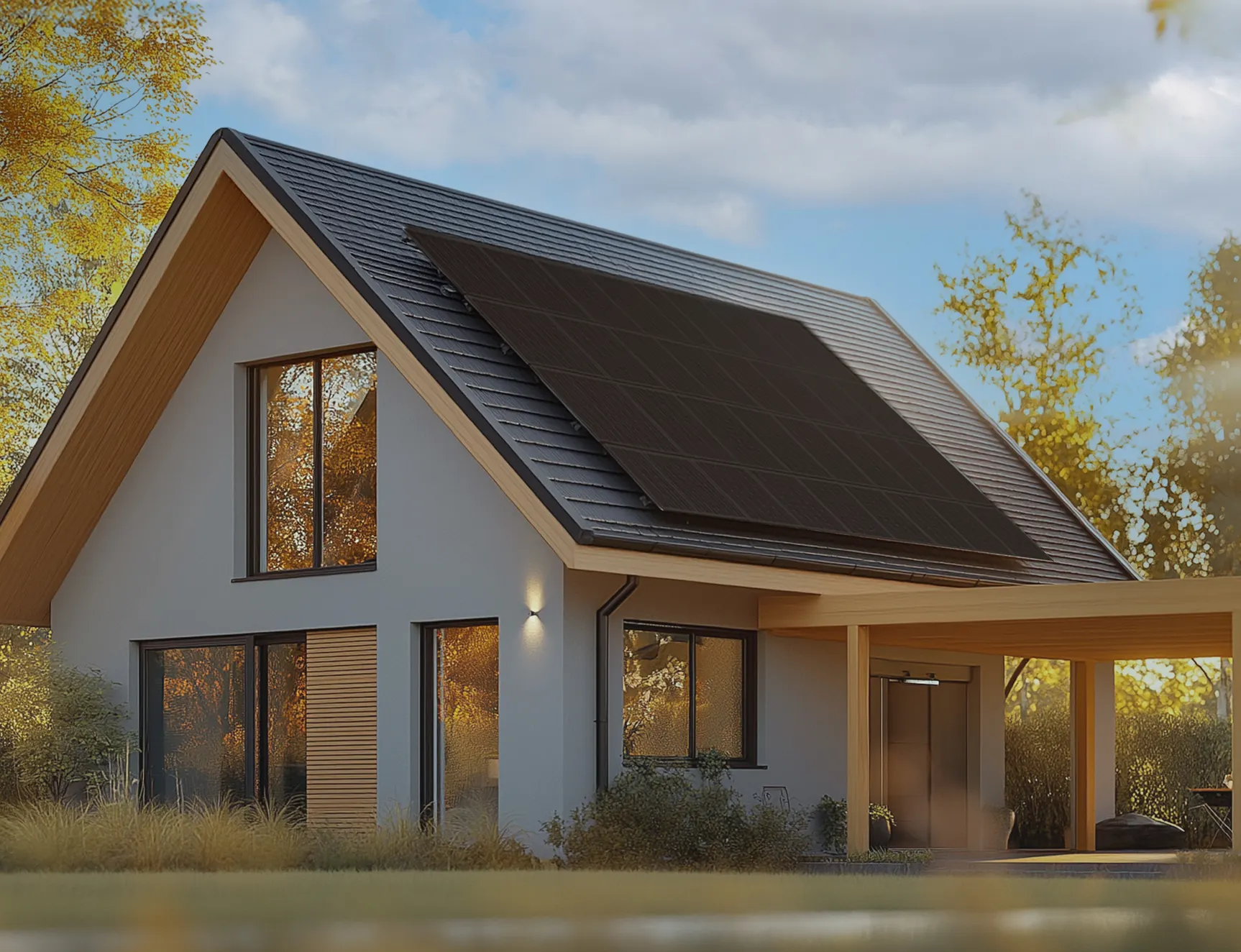
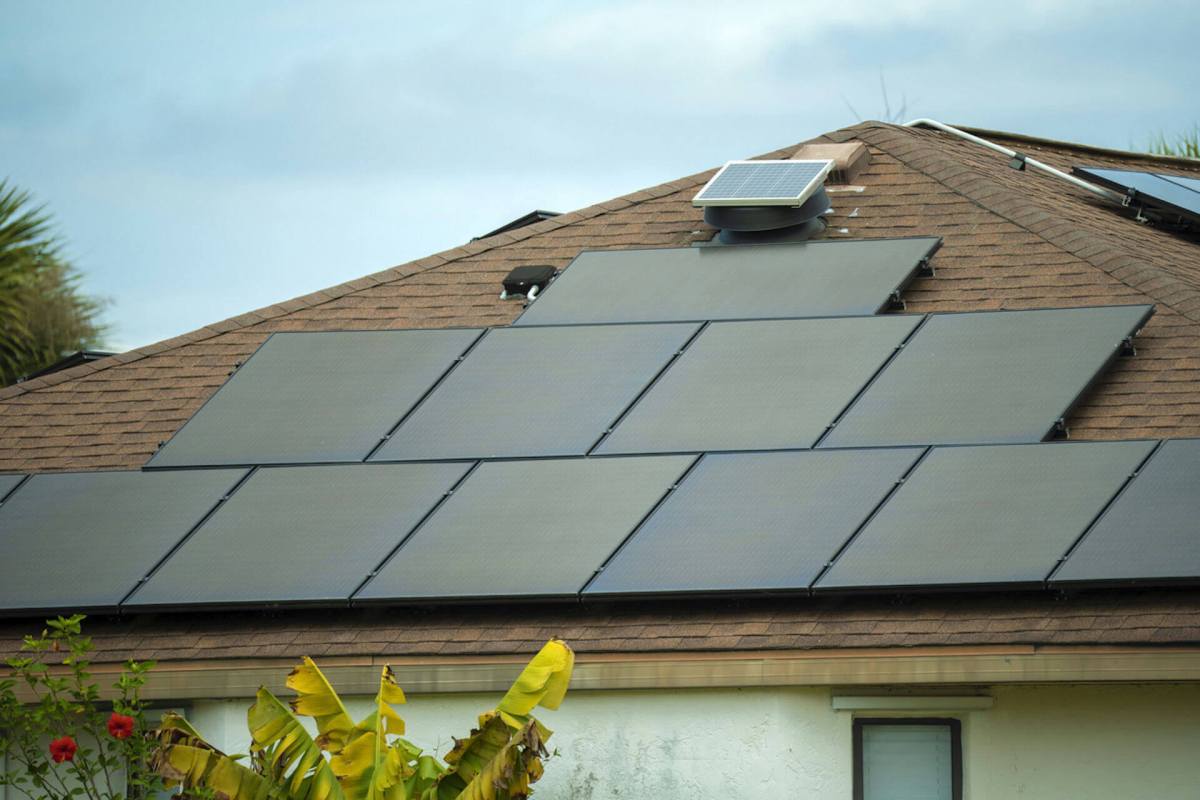
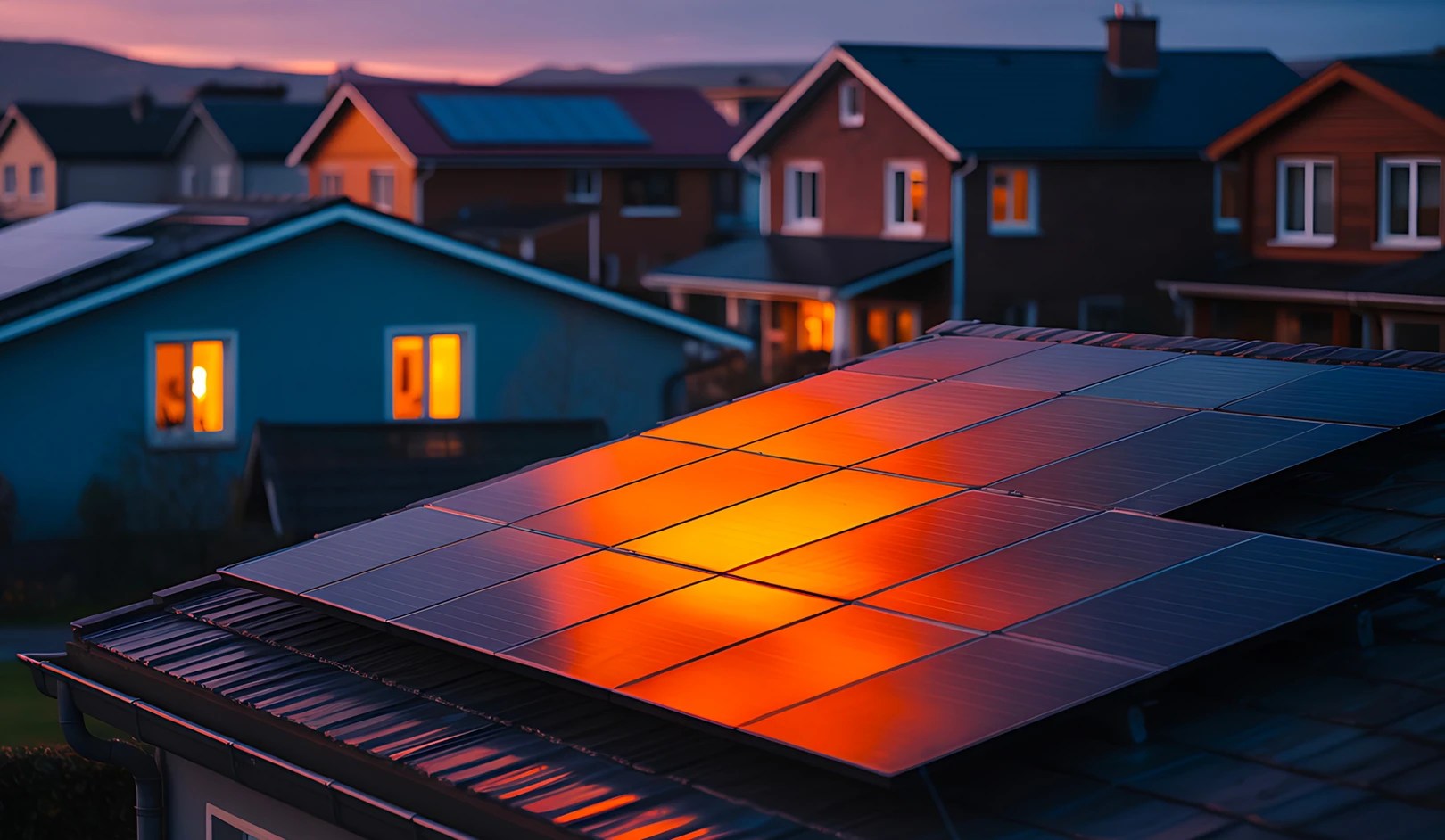

Adding battery storage to a solar setup is one of the best ways to protect your home during outages, save money on energy, and go off-grid. It can also help households shift self-generated or low-cost electricity into the hours when power is most expensive. Homeowners who want to explore home battery storage options, including competitive installation estimates, can check EnergySage.
Where can I learn more?
This kind of balcony setup is part of a broader shift beyond traditional rooftops. These articles cover plug-in balcony panels, renter-friendly battery systems, and policies that help apartment residents cut electric bills.
• EcoFlow's plug-and-play solar and battery system is making apartment energy storage easier for renters.
• In Germany, plug-in solar balconies are turning apartment railings into low-cost power sources.
• Across Europe, high-tech balcony solar panels have already reached millions of households.
• In the US, balcony solar panels are emerging as a low-cost energy option.

Get TCD's free newsletters for easy tips, smart advice, and a chance to earn $5,000 toward home upgrades. To see more stories like this one, change your Google preferences here.






