


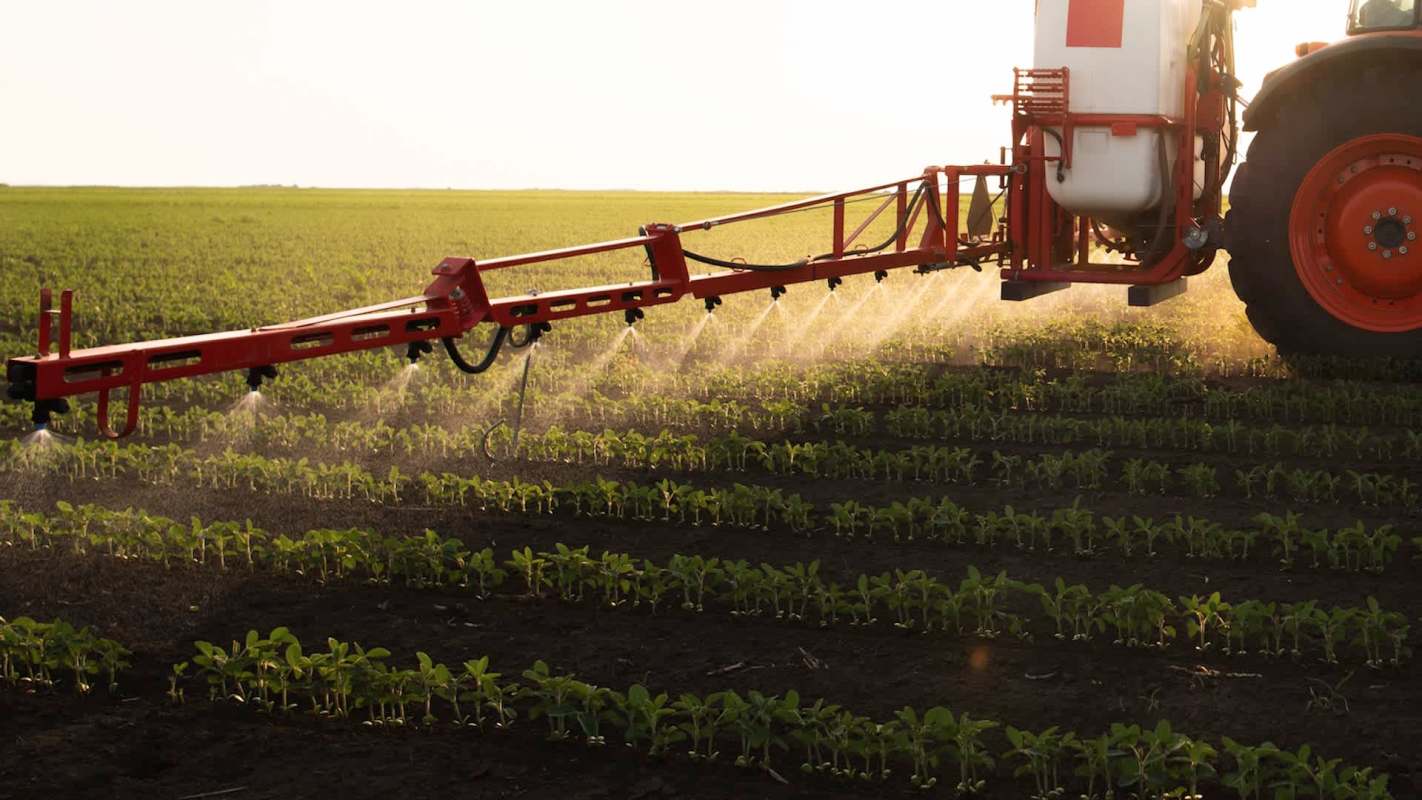
U.S. corn growers may scale back by several million planted acres in 2026 if turmoil in global shipping continues to put fertilizer supplies under pressure.
Even so, the consequences may not boil down to lower output and rising costs. Some fields may already contain an underappreciated backup: nutrients left behind in the soil.
What's happening?
With closures in the Strait of Hormuz because of the United States and Israel's war on Iran, a major fertilizer trade artery has been choked off, interrupting shipments of nearly a third of the world's traded agricultural fertilizers.
Even though the Strait has officially reopened, mines are keeping the central route closed, and it could still be a while before it ramps up to pre-war traffic — if ever.
That squeeze is driving prices higher and may force farmers to either cut fertilizer use or favor crops that need less of it.
That threat is especially serious for U.S. corn, which covers huge acreage and depends heavily on fertilizer.
TCD Picks » Quince Spotlight
💡These best-sellers from Quince deliver affordable, sustainable luxury for all




In a piece for The Conversation, Penn State researcher Kimberly Van Meter and University of Waterloo researcher Nandita Basu said American farmers are likely to plant corn on several million fewer acres in 2026 than they did in 2025.
But Van Meter and Basu also urged readers not to view the situation only through the lens of alarming food-supply warnings.
"We suspect that the picture is more complicated, and in some ways more hopeful, than the headlines suggest," they wrote.
They argued that many intensively farmed fields have built up sizable stores of nitrogen and phosphorus after decades of fertilizer being applied in excess. If new applications fall, crops may still be able to tap some of those existing reserves.
Why does it matter?
Fertilizer is one of the biggest input costs in modern agriculture, so a sudden price spike can add pressure for growers already dealing with volatile markets and unpredictable weather.
If fewer acres of corn are planted, the effects could ripple through livestock feed, fuel, and food production before eventually reaching consumers.
At the same time, the damage linked to overapplying fertilizer has been well documented. When crops fail to use all of the nutrients spread on fields, the excess can escape into rivers, lakes, and coastal waters, helping drive harmful algal blooms, dead zones, and planet-warming pollution.
The analysis also found that some regions, including the central Midwest and eastern areas with heavy livestock production, may hold enough phosphorus in the soil to support crops with less newly applied fertilizer, at least for a while.
What's being done?
One possible response is to draw more strategically on nutrient reserves that have already accumulated in the soil.
In places where nutrients have built up over many years, the researchers said farmers may be able to cut fertilizer use substantially without sacrificing much yield. That could reduce growers' expenses and also lessen the pollution flowing off fields and into nearby waterways.
Another opportunity involves manure. Livestock manure contains large amounts of nitrogen and phosphorus, and anaerobic digesters can process it into a nutrient-dense slurry. Expanding those systems could help crop farmers tap more domestic fertilizer sources while reducing reliance on imports that pass through geopolitical chokepoints.
The report also emphasized that this is not a catch-all solution. Some farms lack enough stored nutrients to endure a long shortage, and even where those reserves are present, they are limited. In areas with poor soils, including parts of sub-Saharan Africa, access to fertilizer remains essential.
"The details are important," Van Meter and Basu wrote. Even so, in places where nutrients have built up, "the soil may serve as a buffer against losses in yield."

Get TCD's free newsletters for easy tips, smart advice, and a chance to earn $5,000 toward home upgrades. To see more stories like this one, change your Google preferences here.






