


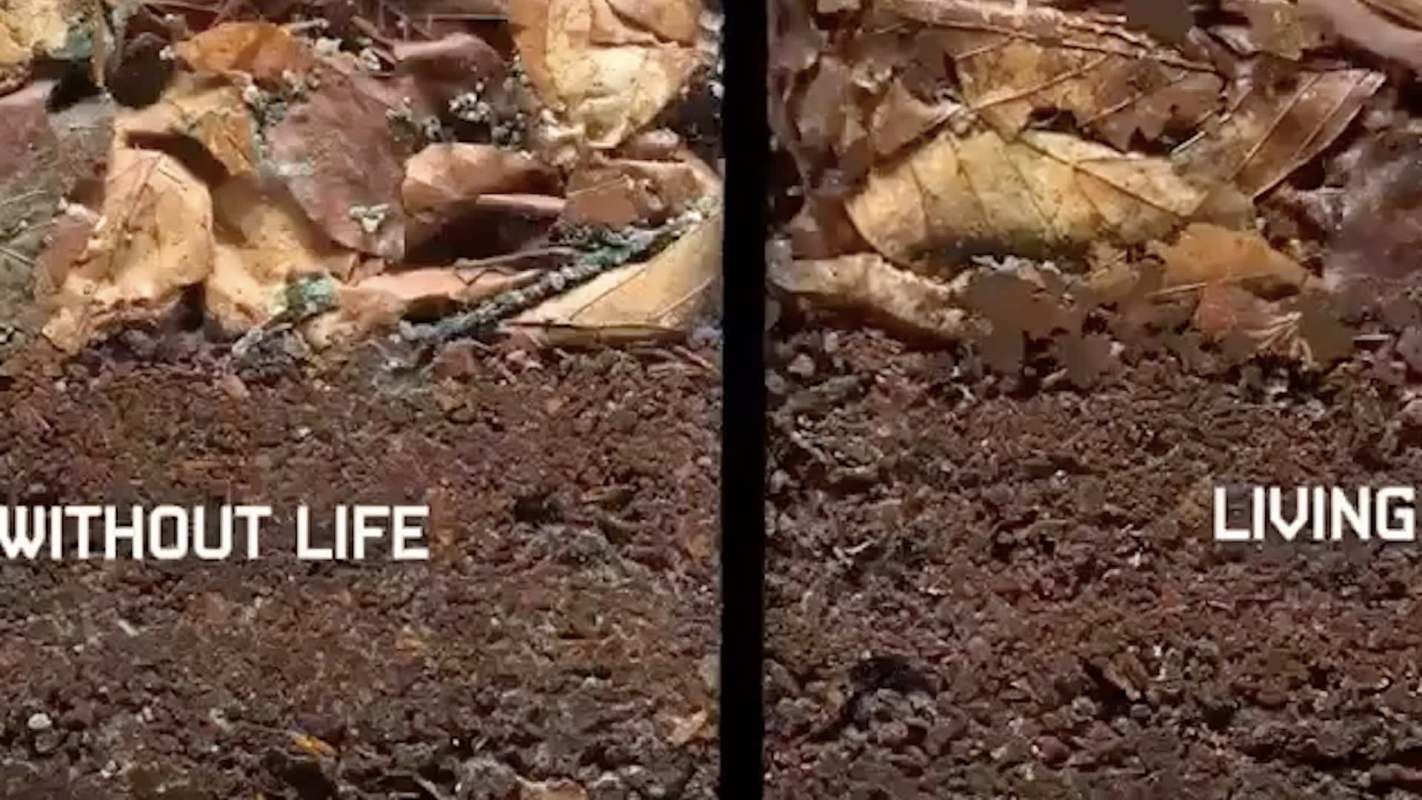
Healthy soil may look ordinary, but a new Instagram Reel is reminding viewers that the thin layer beneath our feet is one of Earth's oldest life-support systems.
The message is as simple as it is unsettling: If the microbes and fungi in soil disappear, so does the foundation of the food supply.
What's happening?
Louis De Jaeger (@louis.de.jaeger) presents soil biology as essential to human survival rather than a niche agricultural concern.
The caption starts in a world without forests, when bare rock had not yet become soil. It says fungi and bacteria created that first soil, and that the earliest land plants depended on fungi in order to survive.
As the post explains, fungi were "wrapping around their roots and feeding them minerals in exchange for sugar."
It then shifts to the present, describing heavy tillage, synthetic fertilizers, pesticides, and monocultures as threats to the organisms that make soil function.
TCD Picks » Quince Spotlight
💡These best-sellers from Quince deliver affordable, sustainable luxury for all




The creator summed up the warning in one stark line: "If you take away soil life, you take away your future."
Why does it matter?
Living soil helps crops access nutrients, retain moisture, and better withstand stress. When that biology breaks down, farms can become more dependent on expensive inputs and more vulnerable to drought and erosion.
Healthier soils can support more resilient harvests, helping protect food supplies as weather becomes more unpredictable.
Soil life is not just a concern for farmers — it can influence food prices, the reliability of crop production, and how much land is needed to grow them.
Soils rich in fungi, bacteria, and organic matter can support biodiversity and reduce runoff, helping landscapes function more effectively overall.
What can I do?
Soil damage is not always permanent. Farmers, gardeners, and land managers are increasingly turning to regenerative practices designed to protect underground ecosystems.
These can include reducing tillage, planting cover crops, rotating crops, adding compost, and cutting back on harsh chemical inputs where possible.
Home gardeners can disturb soil less, keep it covered, and feed it with organic matter instead of treating it like lifeless dirt.
A healthier yard or garden can require less water and become more productive over time.
"Soil life is not a detail of biology. It is the foundation of everything," the post says.
Its closing message is even more direct: "Take care of the soil life. It was here long before us, and we cannot survive without it."

Get TCD's free newsletters for easy tips, smart advice, and a chance to earn $5,000 toward home upgrades. To see more stories like this one, change your Google preferences here.






