


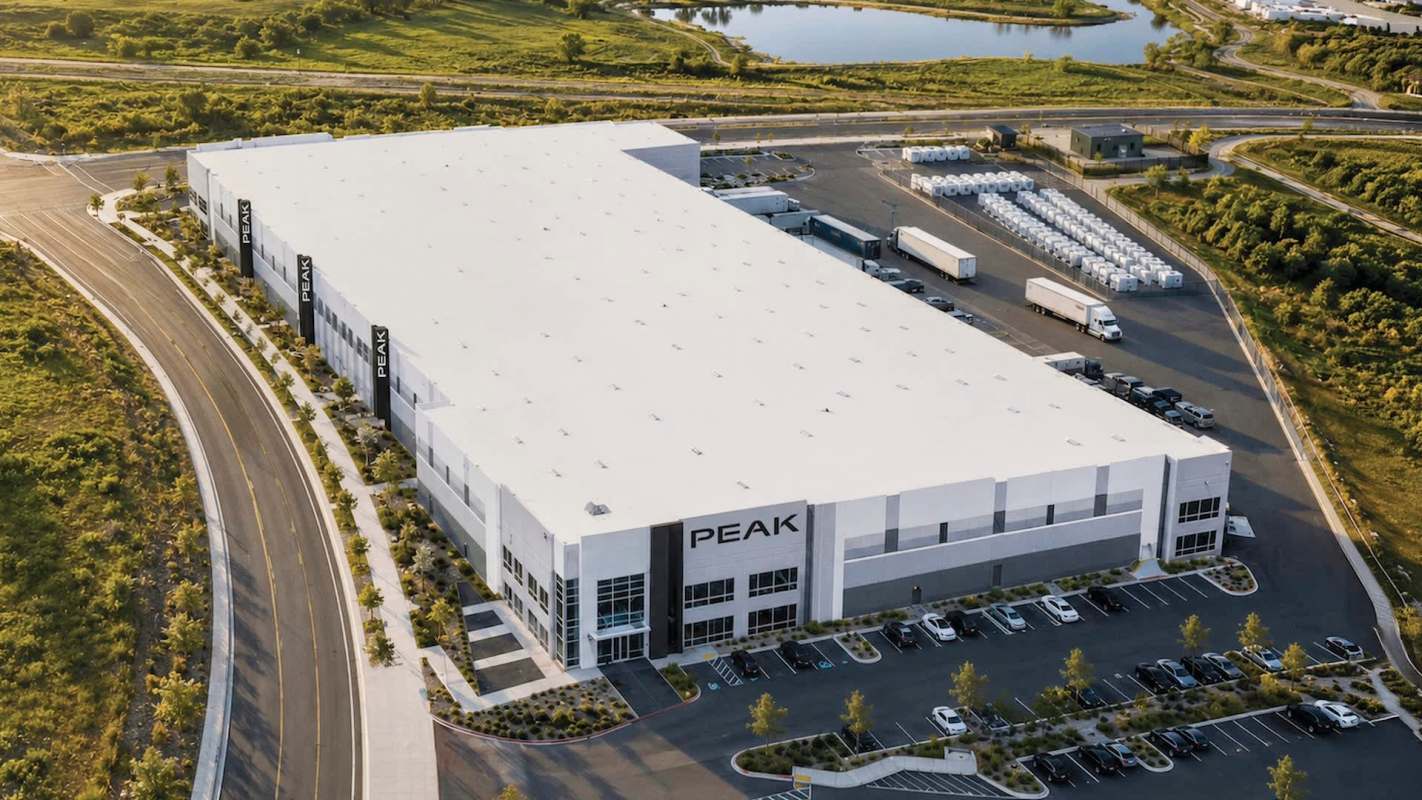
A forthcoming California battery plant is offering an early clue about the next phase of energy storage.
The facility's initial output has already been claimed, indicating strong demand for lower-cost batteries that do not rely on lithium.
What's happening?
On YouTube, The Electric Viking (@electricviking) described how Peak Energy's upcoming 183,000-square-foot Sacramento facility is presented as the first major gigafactory in the United States dedicated entirely to sodium-ion batteries for grid storage.
In a statement, Peak Energy said the plant is expected to produce 4 gigawatt-hours each year and that 6 gigawatt-hours had already been fully reserved.
"America needs energy storage that is lower cost, more affordable, more reliable and purpose-built to meet the demand coming onto the grid," Landon Mossburg, CEO and co-Founder of Peak Energy, said in the release. "This facility is proof that America can lead not only in inventing the technology, but in building it at scale.
Sodium-ion technology relies on a far more abundant material than lithium. The video says that by avoiding the lithium supply chain, these batteries could be cheaper to manufacture in the U.S. and simpler to roll out at large scale with solar and wind systems.
TCD Picks » Quince Spotlight
💡These best-sellers from Quince deliver affordable, sustainable luxury for all




Peak Energy said the planned annual capacity would be enough to serve around 4 million households.
Why does it matter?
Grid-scale batteries can make cleaner electricity much more useful when the sun isn't shining or the wind isn't blowing. That can help cities and utilities store excess renewable power, use it during periods of high demand, and build greater resilience during blackouts, storms, and heat waves.
If sodium-ion batteries truly cost less than lithium-based systems, that could eventually help reduce some of the costs associated with storing and delivering electricity. Utilities, businesses, and communities all stand to benefit if storage becomes more affordable, especially as power demand continues to rise.
"There will be more to come, sodium-ion batteries have become insanely cheap more rapidly than any other type of battery," one YouTube commenter wrote. "We need to be producing and deploying these on a massive scale."
Large battery projects are helping stabilize electric grids, and next-generation storage technologies are moving beyond conventional lithium-ion systems, giving utilities more tools to keep the lights on as they add more renewable power.
What's being done?
Manufacturing is moving from theory into reality. Peak Energy having customer commitments already suggests that buyers are lining up for battery energy storage systems, or BESS.
That kind of early demand could help accelerate future investment, bringing more factories, more competition, and potentially better prices. In turn, that could strengthen the case for pairing storage with local solar projects, public infrastructure, and emergency backup systems.
This is not yet a product most people will buy directly for their homes or cars. However, better storage can improve reliability and help reduce wasted renewable power.
As one commenter put it: "I've maintained sodium is the future for a very long time."

Get TCD's free newsletters for easy tips, smart advice, and a chance to earn $5,000 toward home upgrades. To see more stories like this one, change your Google preferences here.






