


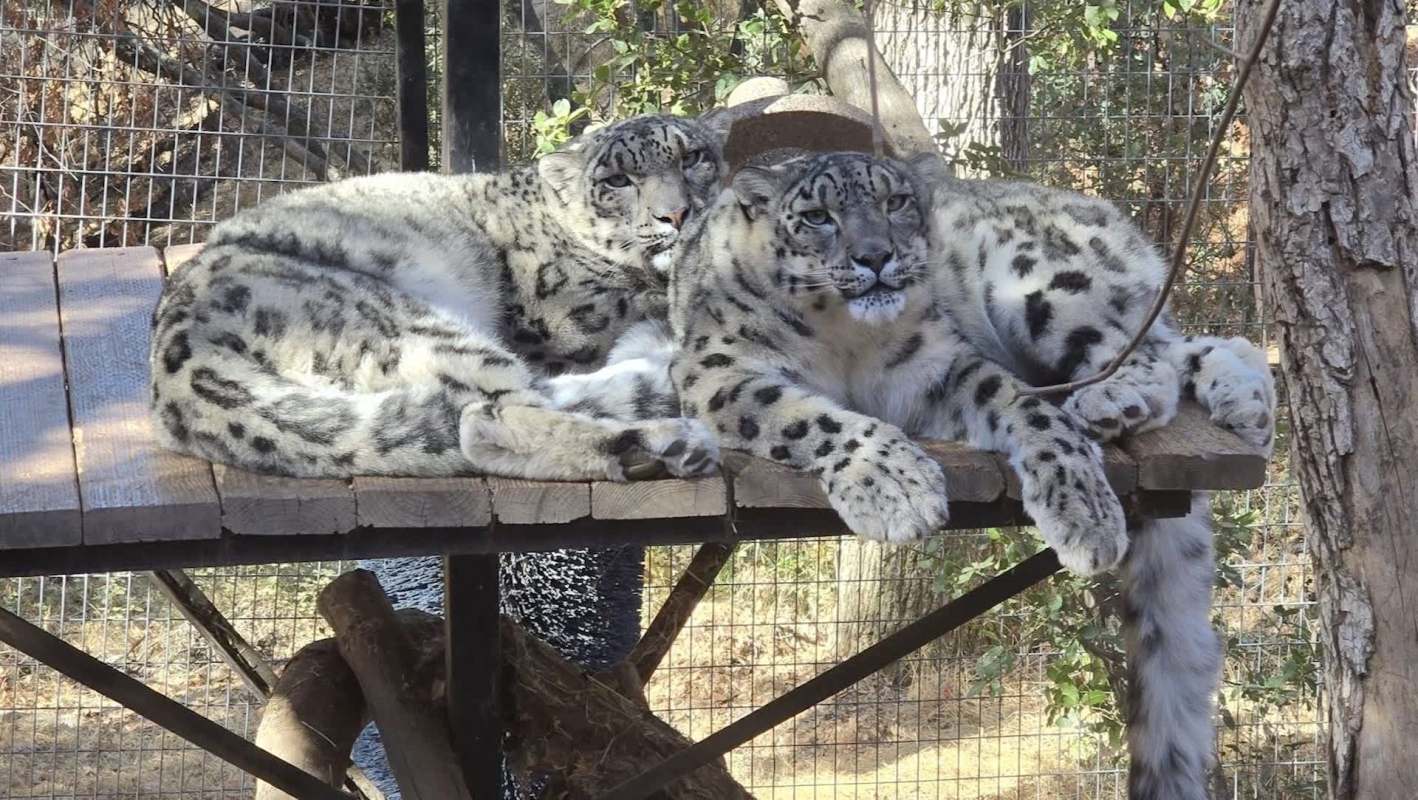
A California big-cat sanctuary is keeping watch over two snow leopards after testing determined they contracted Valley fever, a fungal illness that can also affect people, according to Yahoo News.
What happened?
Project Survival Cat Haven in Dunlap disclosed that two of its snow leopards were diagnosed with Valley fever.
Concern among staff is especially high because the sanctuary previously lost a lion to what appeared to be an unexplained illness — before a necropsy identified Valley fever as the cause of death.
One of the leopards, Jackson, first came down with Valley fever four years ago and has required medication since that diagnosis.
Initially, staff observed that Jackson was acting differently, sanctuary founder Dale Anderson recalled.
"So we took him in and got him checked, and sure enough, he had Valley fever," Anderson explained.
TCD Picks » Quince Spotlight
💡These best-sellers from Quince deliver affordable, sustainable luxury for all




Inhaling spores from the fungus Coccidioides can cause Valley fever, also known as coccidioidomycosis, a lung infection. The organism lives in soil across parts of the Southwest and in south-central Washington state.
Valley fever affects humans as well as animals, from household pets (including dogs and cats) to big cats like Jackson.
An inspector at the sanctuary also contracted Valley fever.
Why does it matter?
Valley fever does not make everyone sick, but when it does, the effects can be serious.
Symptoms include fatigue, coughing, shortness of breath, night sweats, and muscle aches, often beginning one to three weeks after exposure. In some cases, they can persist for weeks or even months.
About 5% to 10% of people who get Valley fever develop severe or lasting lung problems.
Early awareness is especially important for wildlife caretakers and for people living or working in areas where the fungus is present.
Risk tends to rise when rainy periods are followed by dry weather, because dust can more easily carry the spores. That means everyday yard work, construction activity, or windy dust events can amplify health concerns.
For a sanctuary, the stakes are even higher.
When caretakers must manage chronic illness in rare animals while also watching for possible infections in staff and visitors, resources that might otherwise support animal care, education, and conservation can quickly be stretched thin.
What's being done about it?
Sanctuary staff are watching both animals and people closely for signs of illness.
Jackson is already being treated, and the recent diagnoses appear to have heightened vigilance after the lion's fatal case of Valley fever, which can be treated with antifungal drugs.
Identifying cases quickly can help reduce complications, which is why unusual behavior in animals — or lingering respiratory symptoms in people — should not be ignored in regions where the fungus is known to live.
Reducing exposure to blowing dust can help lower risk.
Wetting soil before digging, limiting outdoor activity during dusty conditions, and speaking with a doctor or veterinarian about persistent cough, fatigue, or breathing problems may help people and pets get care sooner.
A soil-borne disease affecting snow leopards, lions, inspectors, and caretakers shows how closely animal health and community health overlap.
Because dust can spread this kind of infection, a timely response is crucial for humans and big cats alike.

Get TCD's free newsletters for easy tips, smart advice, and a chance to earn $5,000 toward home upgrades. To see more stories like this one, change your Google preferences here.






