


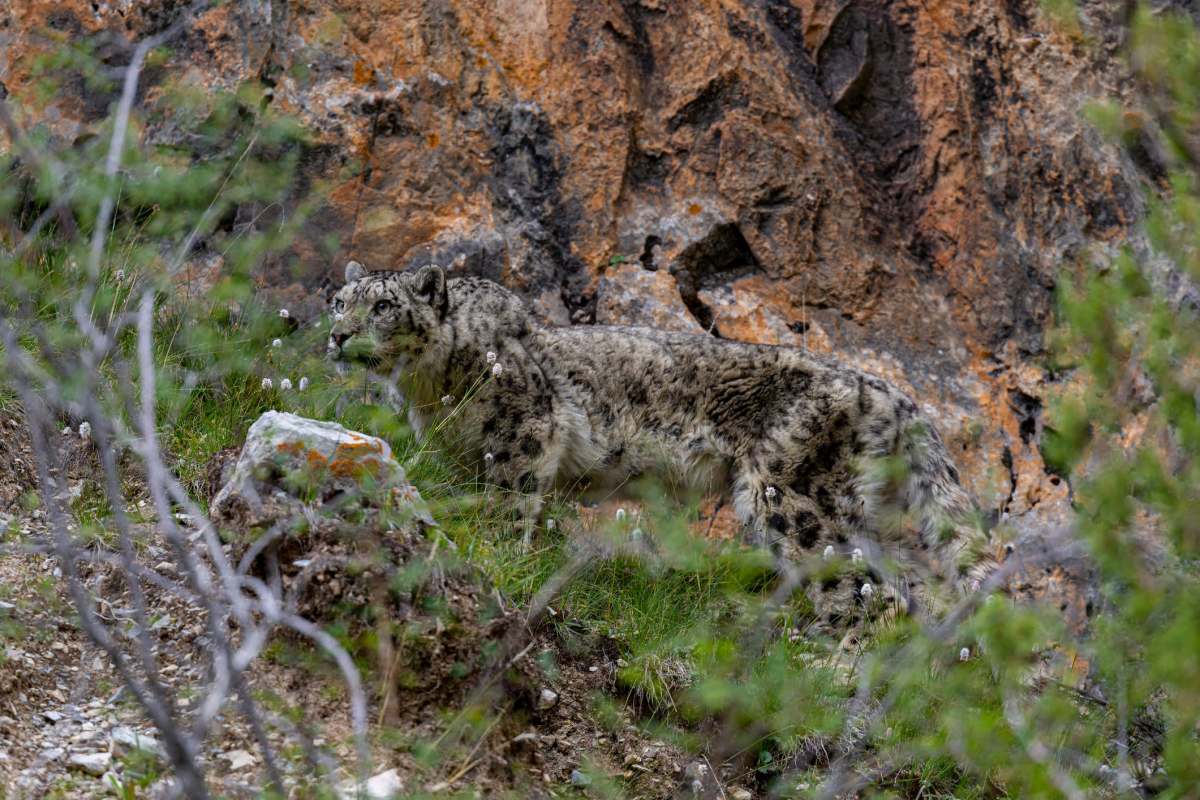
A network of remote cameras in western China has captured one of the clearest looks yet at the snow leopard, including a striking image showing two of the famously elusive cats in a single frame.
For researchers and wildlife rangers, sightings like that are about far more than a photo opportunity.
What happened?
In a photo shared by the World Wide Fund for Nature and highlighted by PetaPixel, camera traps set across China's alpine regions recorded unusual views of snow leopards in Qilian Mountain National Park and Sichuan's Wolong National Nature Reserve.
Spread throughout remote mountain habitat, WWF's 160 infrared cameras logged 157 snow leopard sightings and produced more than 600 photos of the cats.
The image shows a snow leopard lying on a rocky slope. Other pictures on PetaPixel show leopards moving through the landscape.
Beyond snow leopards, the survey also photographed lynxes, mountain goats, deer, takin, wild canids, and foxes, as PetaPixel noted.
TCD Picks » Quince Spotlight
💡These best-sellers from Quince deliver affordable, sustainable luxury for all




Why does it matter?
Snow leopards are notoriously difficult to study because they live in rugged terrain, avoid humans, and roam across vast areas. Better data can help conservation teams understand where the cats are hanging on and where protections may need strengthening.
Snow leopards are apex predators, meaning their presence can signal that mountain ecosystems are functioning well. Healthy alpine landscapes support biodiversity and help protect watersheds and natural systems that downstream communities rely on.
Each verified sighting helps close major gaps in scientific knowledge. PetaPixel noted that over 70% of snow leopard habitat remains unexplored. WWF says that habitat extends across mountainous regions in 12 Asian countries, with about 60% of the range located in China.
What's being done?
WWF says the work happening on the ground is active and ongoing. "Throughout 2025, WWF-China supported 10 snow leopard rangers in this area, contributing to a total of 500 person-days of patrol efforts," the organization wrote on Instagram.
Those patrols are supported by camera technology built for punishing conditions. The passive infrared cameras can continue operating in temperatures as low as minus 40 degrees Fahrenheit (minus 40 degrees Celsius), helping researchers monitor areas that would otherwise be difficult to survey consistently.
In Qilian Mountain National Park alone, the report estimated a population of 150 snow leopards, illustrating how the data can help researchers assess the species' numbers.
"Luckily, these cats are well adapted for such extreme weather," WWF wrote, according to PetaPixel. "Their thick fur coat insulates them well at the high altitudes they live in – usually between 3,000 and 4,500 meters."

Get TCD's free newsletters for easy tips, smart advice, and a chance to earn $5,000 toward home upgrades. To see more stories like this one, change your Google preferences here.






