


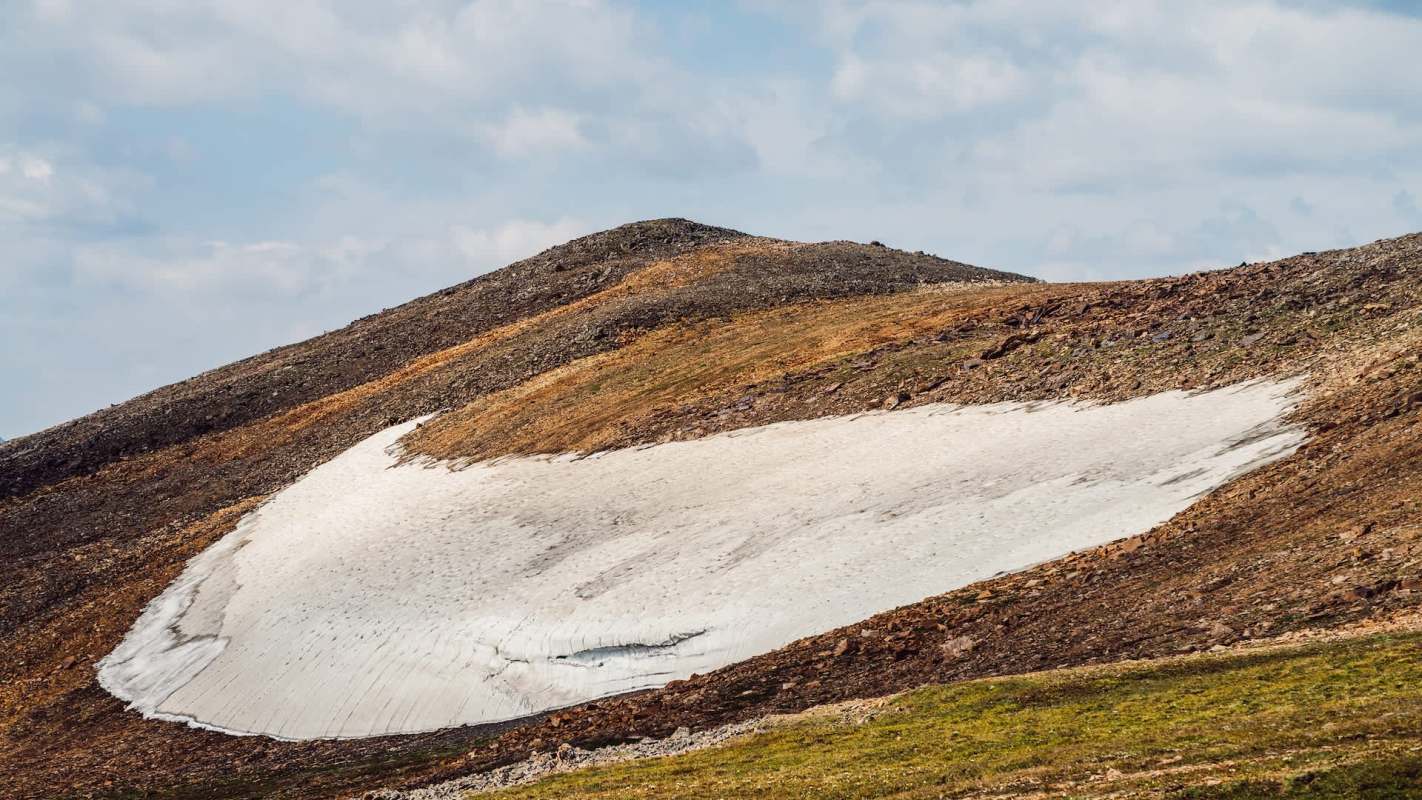
A winter with too little mountain snow is turning into a much bigger problem across the American West.
What began as an alarming snow deficit is now draining the water reserves that people, farms, and ecosystems depend on through the hottest months of the year.
What's happening?
By May, agencies across the country were reporting that many places had already lost the water supply that is usually stored as snowmelt.
Atmos tied that early loss to an unusually low-snow winter in the Cascade Range, Rockies, and Sierra Nevada that produced a historic "snow drought" whose effects are now showing up on the ground.
One of the clearest indicators of a snow drought is snow water equivalent, a measure of how much liquid water is locked up in snow. Atmos also reported that this metric fell to record lows during the month of April in several states across the Western U.S.
Meanwhile, California's river basins also went through their driest March on record, while the Colorado River Basin had its warmest March ever. Now, runoff in the Colorado River Basin is projected to reach less than 30% of its average.
TCD Picks » Quince Spotlight
💡These best-sellers from Quince deliver affordable, sustainable luxury for all




But the drought conditions that are plaguing the West are certainly not confined to it. According to the U.S. Drought Monitor, as of June 9, more than half of the continental U.S. (56%) is experiencing at least a moderate drought, with 12% seeing extreme or exceptional drought conditions.
Why does it matter?
Snowpack acts as a natural savings account for water, releasing it gradually as temperatures rise. When that account is depleted early, communities can face water shortages sooner, farmers may have less irrigation supply, and rivers and reservoirs can drop at the very time demand is climbing.
Worsening extreme weather disasters endanger lives and livelihoods by putting pressure on drinking water systems, food production, and local economies all at once. Drought can also heighten public health risks by increasing heat exposure, reducing water availability, and contributing to dust and wildfire conditions that threaten community safety.
The economic fallout can be wide-ranging. Ranchers may have to pay more for feed and water, growers can see lower yields, and families may feel the effects through higher food prices, recreation losses, and local restrictions on outdoor water use.

Get TCD's free newsletters for easy tips, smart advice, and a chance to earn $5,000 toward home upgrades. To see more stories like this one, change your Google preferences here.






