


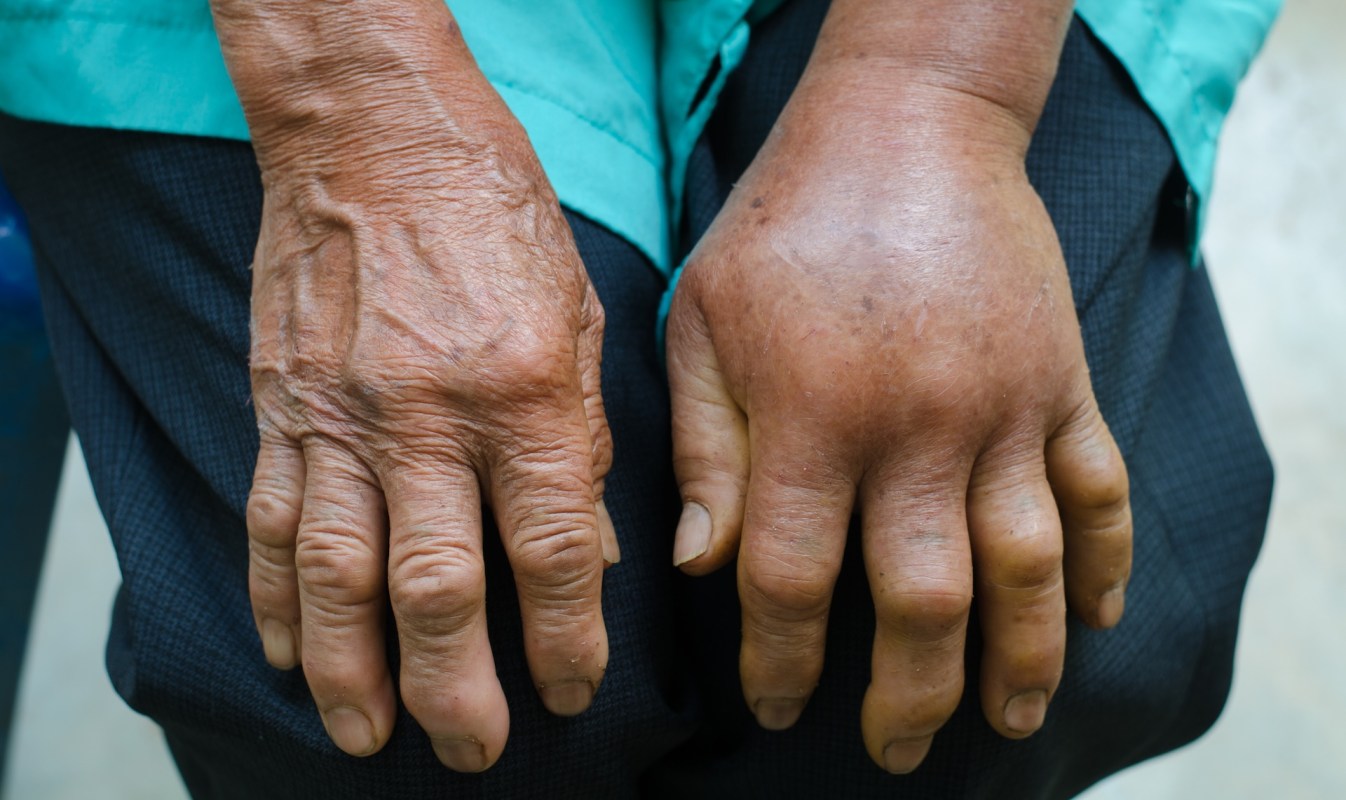
Snakebites may be an even bigger global health emergency than official estimates have captured, with new research suggesting venomous bites and deaths are happening at significantly higher rates than many experts had believed.
The burden falls most heavily on rural, low-income communities, where access to medical care is often limited and lifesaving treatment can be difficult to reach.
That matters because when a health threat is undercounted, it is often underfunded, too.
Here's what to know
In a study published Aug. 25 in PLOS Medicine and reported by Medical Xpress, researchers concluded that accepted global counts likely understate both snake envenoming cases and snakebite deaths.
To arrive at that estimate, the team examined published snakebite research from 79 countries covering January 2007 through March 2025.
Dileepa Ediriweera and Anuradhani Kasturuiratne led the study, along with colleagues at the Liverpool School of Tropical Medicine in the United Kingdom and the University of Kelaniya in Sri Lanka.
TCD Picks » Quince Spotlight
💡These best-sellers from Quince deliver affordable, sustainable luxury for all




They aimed to better measure the yearly global burden of snake envenoming, the harmful effects caused by venom from a bite.
The risk is highest in tropical and subtropical areas, especially in lower-income rural communities.
Snakebites have long been a serious but often overlooked threat, even though the consequences can be devastating. People bitten by venomous snakes can become severely ill, be left disabled, or die.
Additionally, if the data is incomplete, the response can be, too.
More reliable data could help governments and health agencies better understand where snakebites are happening and how severe the burden truly is.
Where can I learn more?
Snakebite risk is changing on the ground, from rural India to urban neighborhoods dealing with seasonal surges. Researchers are also warning that warming temperatures could expand exposure while the global death toll remains undercounted.
• In India, rising temperatures are intensifying snakebite risks in rural communities.
• Worldwide, billions could face rising snakebite danger as warming pushes venomous snakes into new areas.
• Scientists warn mass spread of venomous snakes could leave more people exposed to bites.
• During Delhi's monsoon, snakes invade local communities and encounters rise around homes.
Better data matters because this risk is shifting with climate and geography, not staying fixed in one place. When those changes go undercounted, the blind spots become even more costly.

Get TCD's free newsletters for easy tips, smart advice, and a chance to earn $5,000 toward home upgrades. To see more stories like this one, change your Google preferences here.






